Definisi
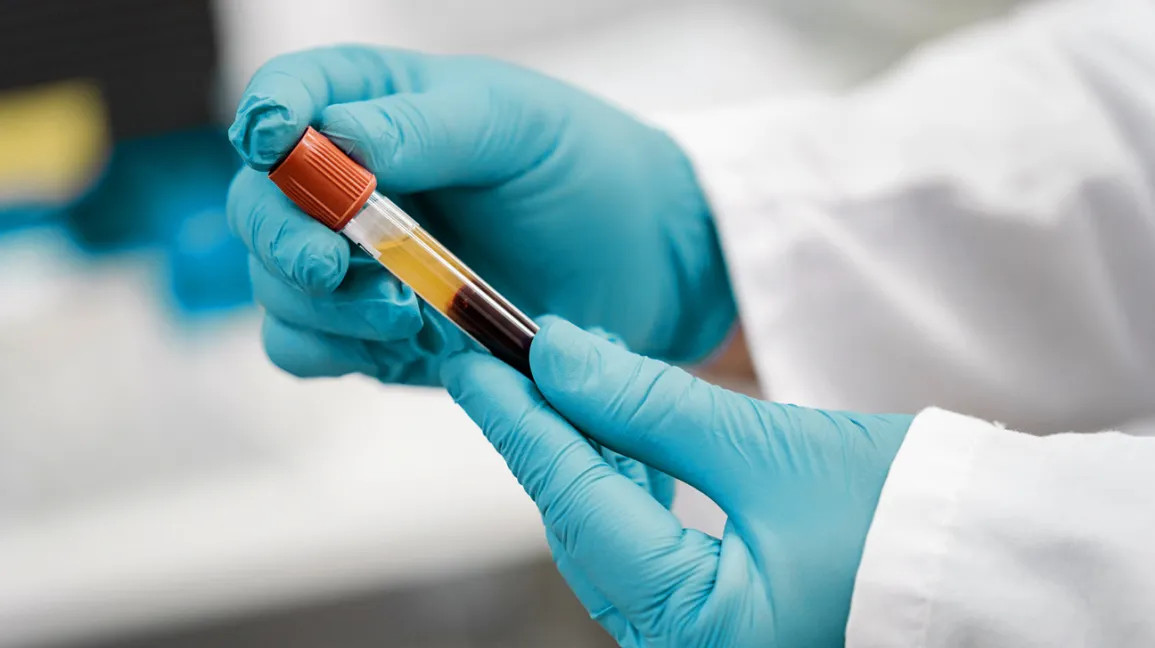
Pemeriksaan lipase darah adalah pemeriksaan yang dilakukan untuk mengukur kadar enzim lipase dalam darah. Enzim lipase merupakan salah satu jenis enzim pencernaan atau enzim disgestif. Enzim ini berfungsi untuk membantu tubuh mencerna lemak. Kebanyakan lipase diproduksi di pankreas, yaitu organ yang terletak di bagian belakang perut bagian bawah. Lipase juga diproduksi di kelenjar liur dan di lambung.
Normalnya, kadar enzim lipase di dalam darah jumlahnya rendah. Namun, jika sel pankreas mengalami kerusakan, maka sel tersebut akan melepaskan enzim lipase lebih banyak. Oleh karena itu, kadar lipase darah yang tinggi dapat mengindikasikan mengalami pankreatitis (peradangan dan pembengkakan pankreas) atau jenis penyakit pankreas lainnya. Pemeriksaan lipase dapat membantu mendiagnosis kondisi tersebut dan lainnya.
Indikasi
Pemeriksaan lipase darah bertujuan untuk:
- Membantu mendiagnosis penyakit pankreas, terutama pankreatitis akut (mendadak dan berat)
- Memantau keberhasilan terapi untuk penyakit pankreas. Jika Anda sudah didiagnosis dengan pankreatitis akut maupun kronis, pemeriksaan ini dilakukan untuk melihat adanya peningkatan atau penurunan kadar lipase, sehingga dokter dapat mengetahui apakah terapi yang diberikan bekerja dengan baik.
- Memantau peritonitis (peradangan pada selaput dalam dinding perut)
- Membantu mendiagnosis dan memantau penyakit kronis (jangka panjang) yang memengaruhi pankreas, seperti:
- Fibrosis kistik (penyakit bawaan dimana terbentuk lendir tebal yang dapat merusak organ-organ)
- Penyakit Crohn (peradangan saluran pencernaan)
- Penyakit Celiac (penyakit pencernaan yang dicetuskan akibat protein gluten, dimana sistem imun menyerang usus halus)
- Kista pankreas
Anda mungkin perlu menjalani pemeriksaan lipase darah jika Anda memiliki gejala yang dapat disebabkan oleh gangguan pada pankreas. Gejala tersebut meliputi:
- Nyeri pada perut atas yang dapat menjalar ke punggung
- Mual dan muntah
- Diare
- Perut yang bengkak atau nyeri
- Demam
- Detak jantung cepat
- Kehilangan nafsu makan
Kontraindikasi
Kontraindikasi pengambilan sampel darah terkait dengan kondisi pada area pengambilan darah. Kondisi seperti infeksi pada daerah pengambilan merupakan salah satu kontraindikasi karena dapat meningkatkan risiko bakteri masuk ke aliran darah.
Kontraindikasi lainnya adalah adanya graft pembuluh darah, memar, hingga pengerasan pembuluh darah.
Persiapan Sebelum Pemeriksaan
Jika Anda dijadwalkan untuk menjalani pemeriksaan lipase darah, Anda perlu untuk puasa. Anda akan diminta untuk berhenti makan atau minum selain air putih selama 8-12 jam sebelum prosedur.
Dokter juga dapat meminta Anda untuk berhenti mengonsumsi beberapa obat yang dapat memengaruhi hasil pemeriksaan. Pastikan dokter Anda mengetahui semua obat yang Anda konsumsi, termasuk obat yang Anda beli bebas, obat resep, maupun suplemen.
Prosedur Pemeriksaan
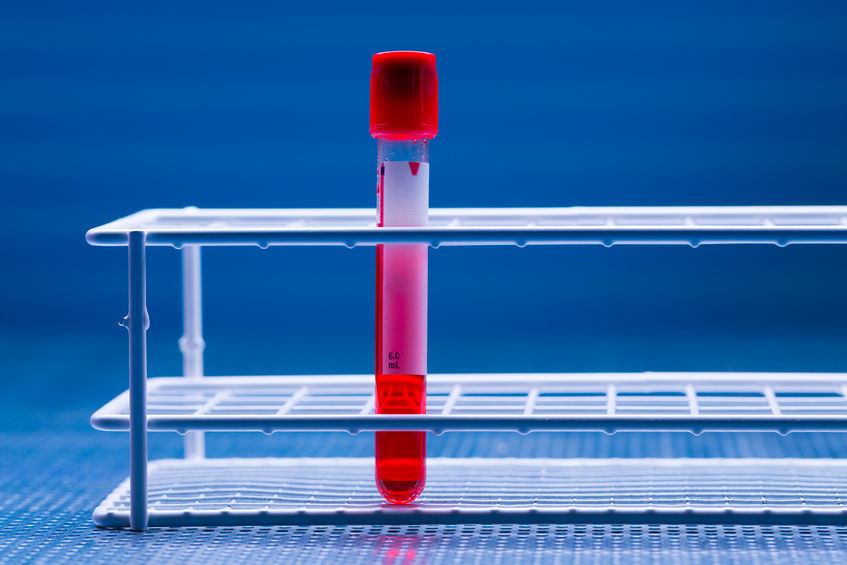
Lipase diukur dengan pemeriksaan darah. Saat pemeriksaan darah, tenaga kesehatan akan mengambil sampel darah dari vena di lengan Anda. Petugas akan memasang pengikat di lengan atas Anda untuk mempermudah menemukan vena. Setelah itu, petugas akan memasukan jarum kecil ke dalam vena Anda. Setelah jarum dimasukkan, sejumlah kecil darah akan diambil. Jika sudah tertumpuk cukup darah, pengikat akan dilepas dan jarum akan dikeluarkan. Petugas akan menempelkan plester pada lokasi penyuntikan.
Anda dapat merasakan sedikit nyeri ketika jarum masuk atau keluar. Namun, prosedur ini biasanya hanya membutuhkan waktu kurang dari 5 menit.
Setelah itu, Anda juga dapat mengalami nyeri dan memar ringan pada area penyuntikan. Namun, kebanyakan gejala akan hilang dengan cepat.
Nilai Normal dan Abnormal
Kadar lipase biasanya dituliskan dalam unit per liter darah (U/L). Rentang nilai dapat bervariasi antara laboratorium. Pada beberapa laboratorium rentang normal yang digunakan, yaitu:
- Usia < 60 tahun : 10-140 U/L
- Usia > 60 tahun : 24-151 U/L
Hasil dan Saran (Pemeriksaan Lanjutan)
Kadar lipase yang sangat tinggi (mencapai 3-10 kali rentang normal) biasanya merupakan tanda dari pankreatitis akut.
Kadar lipase yang lebih tinggi dari normal dapat disebabkan oleh:
- Penyakit pankreas, termasuk sumbatan saluran pankreas atau kanker pankreas
- Penyakit ginjal kronis
- Ulkus peptikum (luka pada usus dua belas jari)
- Penyakit kandung empedu
- Penyakit saluran cerna, seperti sumbatan usus
- Diabetes
- Kelainan pada kelenjar ludah, seperti infeksi atau kanker
- Penyalahgunaan alkohol
Meskipun dokter menanggap pemeriksaan lipase sebagai pemeriksaan terbaik untuk mendiagnosis pankreatitis akut, namun dokter juga dapat melakukan pemeriksaan darah untuk amilase, yaitu enzim lain yang juga meningkat pada kondisi pankreatitis. Anda juga dapat menjalani pemeriksaan radiologi, seperti USG, CT scan, atau MRI sehingga dokter dapat melihat adanya abnormalitas fisik atau pembengkakan pada pankreas Anda.
Sementara itu, kadar lipase yang rendah dapat merupakan tanda dari kerusakan permanen pada sel pankreas Anda yang memproduksi lipase. Hal ini dapat terjadi pada penyakit kronis tertentu, seperti fibrosis kistik dan pankreatitis kronis.
Jika kadar lipase Anda tidak normal, hal ini tidak selalu berarti Anda memiliki suatu kondisi medis yang memerlukan terapi. Banyak obat-obatan, termasuk koedin, diuretik (obat untuk membuang kelebihan cairan dari dalam tubuh), obat kolesterol tertentu, dan pil kontrasepsi, dapat memengaruhi kadar lipase Anda.
Konsultasikan ke Dokter yang Tepat
Jika Anda memiliki kadar lipase yang tinggi, Anda sebaiknya berkonsultasi ke dokter penyakit dalam. Dokter dapat membantu Anda untuk mencari penyebab meningkatnya kadar lipase dan memberikan penanganan yang tepat.
Mau tahu informasi seputar hasil pemeriksaan laboratorium, radiologi, dan lainnya? Cek di sini, ya!
- dr. Monica Salim

Lipase tests: Medlineplus medical test (2022) MedlinePlus. U.S. National Library of Medicine. Available at: https://medlineplus.gov/lab-tests/lipase-tests/#:~:text=A%20lipase%20test%20is%20commonly,that%20gets%20worse%20over%20time. (Accessed: May 5, 2023).
Lipase test: Purpose, procedure, risks, & results (2021) WebMD. WebMD. Available at: https://www.webmd.com/digestive-disorders/what-is-a-lipase-test (Accessed: May 5, 2023).
Lipase blood test: What it is, results, and lowering levels (2021) Medical News Today. MediLexicon International. Available at: https://www.medicalnewstoday.com/articles/322201 (Accessed: May 5, 2023).