Definisi
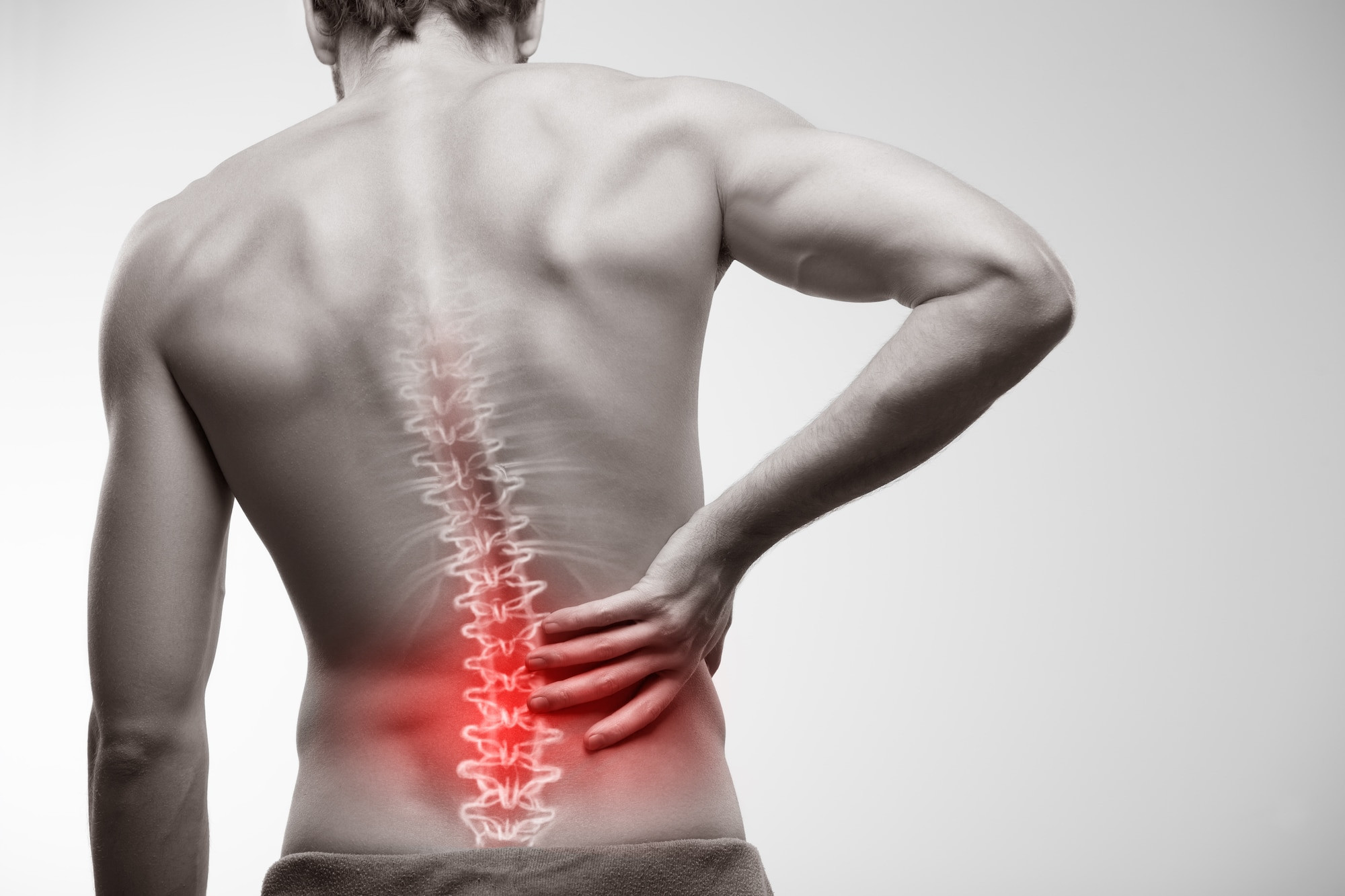
Sindrom radikular adalah kumpulan gejala yang timbul akibat gangguan pada akar saraf di daerah ruas tulang belakang. Sindrom radikular juga dikenal dengan istilah radikulopati. Gangguan yang sering ditemui adalah terjepitnya akar saraf di tulang belakang karena adanya perubahan pada tulang dan tulang rawan di sekitarnya akibat proses penuaan atau cedera. Perubahan-perubahan tersebut lalu menyebabkan tekanan pada akar saraf.
Akar saraf adalah bagian dari saraf yang keluar dari sumsum tulang belakang dan melewati lubang di ruas tulang belakang. Ketika akar saraf tertekan, saraf dapat meradang, menimbulkan nyeri, mati rasa, atau kelemahan. Penanganan yang tepat dan segera dapat mengurangi gejala-gejala tersebut.
Penyebab
Sindrom radikular muncul ketika saraf tertekan oleh jaringan di sekitarnya. Terkadang disebabkan oleh herniasi diskus tulang belakang, yaitu bergesernya cakram tulang belakang. Herniasi diawali dengan melemahnya atau robeknya tepi luar cakram. Kemudian nukleus, atau bagian dalam cakram, akan ke luar dan memberi tekanan pada saraf tulang belakang di dekatnya.
Taji tulang atau bagian tajam tulang, juga dapat menimbulkan sindrom radikular. Taji tulang dapat timbul karena cedera atau osteoartritis (radang tulang-sendi). Taji ini membuat tulang belakang kaku dan mempersempit ruang tempat saraf berada sehingga menimbulkan tekanan pada saraf.
Faktor Risiko
Banyak perubahan tulang belakang terjadi seiring bertambahnya usia. Radikulopati biasanya dialami oleh orang berusia 30-50 tahun. Kondisi seperti osteoartritis, rheumatoid arthritis (peradangan sendi), dan obesitas dapat meningkatkan risiko radikulopati.
Faktor risiko lainnya adalah postur tubuh yang buruk, kelainan tulang belakang seperti skoliosis (kelengkungan tulang belakang yang berlebihan), dan gerakan berulang. Wanita hamil memiliki risiko yang lebih tinggi mengalami radikulopati. Gangguan ini juga bisa diturunkan, sehingga Anda memiliki risiko lebih tinggi jika keluarga Anda memiliki riwayat radikulopati.
Gejala
Gejala radikulopati dapat bervariasi dari ringan hingga berat. Lokasi gejala bergantung pada akar saraf yang terpengaruh. Ada tiga jenis radikulopati:
- Radikulopati servikal adalah penekanan pada salah satu akar saraf di daerah leher. Gangguan ini dapat menyebabkan kelemahan, rasa terbakar, kesemutan, serta hilangnya rasa di bahu, lengan, tangan, atau jari.
- Radikulopati torakal terjadi ketika ada saraf terjepit di bagian punggung atas tulang belakang. Hal ini dapat menimbulkan rasa nyeri di sekitar dada. Radikulopati ini jarang terjadi dan dapat disalah artikan sebagai penyakit herpes zoster (cacar api).
- Radikulopati lumbal adalah tekanan pada salah satu akar saraf di punggung bawah. Gangguan ini dapat menyebabkan nyeri pinggul dan linu panggul, atau nyeri tertusuk di sekitar kaki. Inkontinensia (tidak dapat menahan buang air), disfungsi seksual, atau kelumpuhan juga dapat terjadi pada kasus yang parah.
Gejala bervariasi tergantung pada jenis radikulopati yang terjadi. Gejala lain yang mungkin timbul, antara lain:
- Nyeri tajam yang memberat dengan gerakan tertentu
- Mati rasa
- Kelemahan
- Kesemutan
- Perubahan atau hilangnya sensasi
- Hilangnya refleks
Diagnosis
Untuk mendiagnosis sindrom radikular, dokter akan melakukan wawancara mengenai keluhan, riwayat kesehatan, dan melakukan pemeriksaan fisik terlebih dahulu. Dokter kemudian dapat melakukan pemeriksaan penunjang tertentu seperti:
- Pencitraan sinar-X untuk melihat kesegarisan tulang atau penyempitan cakram tulang belakang
- Pemindaian MRI untuk mendapatkan gambar jaringan lunak, sumsum tulang belakang, dan akar saraf
- CT scan untuk melihat bagian tulang lebih detail, termasuk taji tulang
- Elektromiografi untuk mengukur impuls listrik otot saat istirahat dan selama kontraksi
- Studi konduksi saraf untuk mengukur kemampuan saraf dalam mengirim sinyal listrik
Tata Laksana
Dokter dapat merekomendasikan perawatan di rumah, obat-obatan, pembedahan, atau kombinasi pengobatan.
Perawatan di Rumah
Anda harus membatasi aktivitas yang memperparah rasa nyeri. Dokter akan meresepkan bidai, penyangga punggung, atau penyangga leher yang lembut untuk meminimalisasi gerakan pada area yang terkena. Hal ini memudahkan Anda untuk mengistirahatkan area yang cedera.
Tirah baring atau pengobatan dengan traksi mekanis adalah pilihan yang mungkin disarankan oleh dokter. Traksi dilakukan dengan menggunakan beban atau perangkat khusus untuk mengurangi tekanan pada saraf tulang belakang dengan menciptakan ruang di antara ruas-ruas tulang belakang.
Dokter juga dapat merekomendasikan terapi fisik seperti terapi dingin atau perawatan lainnya. Terapis akan mengajari Anda cara untuk memperkuat, meregangkan, dan melindungi area yang terkena. Bagi sebagian orang, penurunan berat badan dapat membantu mengurangi tekanan saraf.
Obat-obatan
Beberapa obat efektif untuk mengobati radikulopati, seperti:
- Analgesik atau anti-nyeri. Sebagian obat ini dapat dibeli secara bebas, sebagian lagi harus dengan resep dokter
- Obat anti-inflamasi non-steroid seperti ibuprofen dan naproxen, dapat dibeli bebas
- Pelemas otot, sesuai rekomendasi dokter
- Kortikosteroid oral, harus dengan resep dokter
- Opioid untuk nyeri berat, harus dengan resep dokter
- Suntikan kortikosteroid pada daerah yang terkena, harus dengan resep dokter
Pembedahan
Pembedahan dapat membebaskan tekanan pada saraf. Salah satu prosedurnya disebut disektomi. Operasi ini akan menghilangkan taji tulang atau memperbaiki cakram tulang belakang yang bergeser.
Seperti halnya operasi lain, pada operasi ini juga terdapat risiko seperti infeksi, pendarahan, dan komplikasi dari pembiusan. Setelah pulih dari operasi, ada beberapa orang yang masih mengalami rasa sakit atau gejala lainnya. Namun, kebanyakan dapat pulih dan kembali beraktivitas seperti biasanya.
Komplikasi
Radikulopati tidak mengancam jiwa, namun dapat menurunkan kualitas hidup karena menyebabkan gangguan pada aktivitas sehari-hari. Komplikasi juga termasuk menghadapi masalah akibat kelemahan otot atau kurangnya sensasi. Pasien dapat sulit berjalan dan tidak seimbang pada radikulopati lumbal. Radikulopati servikal dapat menyebabkan masalah pada kontrol gerakan dan sensasi di tangan serta jari.
Pasien yang tidak membaik dalam 6-12 minggu setelah timbulnya nyeri dapat mengalami nyeri kronis (berkepanjangan). Gejala radikular yang berkembang perlahan juga dapat menimbulkan gangguan persarafan otot sehingga menyebabkan atrofi otot (penyusutan otot akibat tidak digunakan).
Komplikasi radikulopati servikal antara lain perbaikan fungsi saraf yang tidak sempurna, berkurangnya rentang gerak leher, penyempitan ruang diskus, hilangnya kelengkungan servikal yang normal, serta pembentukan osteofit (taji tulang).
Pasien dapat mengatasi komplikasi tersebut melalui konsultasi dengan dokter untuk mendapatkan penanganan yang tepat.
Pencegahan
Cegah kemungkinan Anda terkena radikulopati dengan:
- Mempertahankan postur tubuh yang baik
- Hindari membungkuk dan jaga kedua kaki tetap di lantai saat duduk
- Mempertahankan berat badan ideal
- Gunakan teknik yang aman saat mengangkat benda berat untuk mencegah cedera punggung. Jangan membungkuk untuk mengambil barang, melainkan tekuk lutut Anda untuk mencapai objek
- Meminta bantuan saat memindahkan benda berat atau besar
- Sering-seringlah beristirahat saat melakukan aktivitas yang berulang
- Kenakan sepatu yang nyaman. Carilah sepatu dengan kelengkungan telapak yang baik dan hindari memakai sepatu hak tinggi untuk waktu yang lama
- Olahraga teratur, terutama latihan kekuatan dan fleksibilitas. Kondisi bugar dapat membantu melindungi tulang belakang Anda. Konsultasikan dengan dokter mengenai olahraga yang tepat untuk Anda
Kapan Harus ke Dokter?
Anda perlu segera memeriksakan diri ke dokter jika:
- Mengalami nyeri hebat yang tidak berkurang dengan obat pereda nyeri yang dijual bebas
- Mengalami kelemahan pada lengan atau kaki, terlebih jika terjadi mendadak
- Kesulitan mengendalikan fungsi kandung kemih atau pencernaan
Mau tahu informasi seputar penyakit lainnya? Cek di sini, ya!
- dr Nadia Opmalina

Giorgi A. (2019). Radiculopathy (Pinced nerve). Retrieved 20 Desember 2021, from https://www.healthline.com/health/radiculopathy
Radiculopathy. (2021). Retrieved 20 Desember 2021, from https://sportsmedicine.mayoclinic.org/condition/radiculopathy/
Malanga GA. (2018). Cervical radiculopathy. Retrieved 20 Desember 2021, from
https://emedicine.medscape.com/article/94118-followup#e4
Lewis S. (2020). Radiculopathy. Retrieved 20 Desember 2021, from https://www.healthgrades.com/right-care/spine-conditions/radiculopathy#complications
Dydyk AM, Khan MZ, and Singh P. (2020). Radicular back pain. Retrieved 20 Desember 2021, from https://www.ncbi.nlm.nih.gov/books/NBK546593/