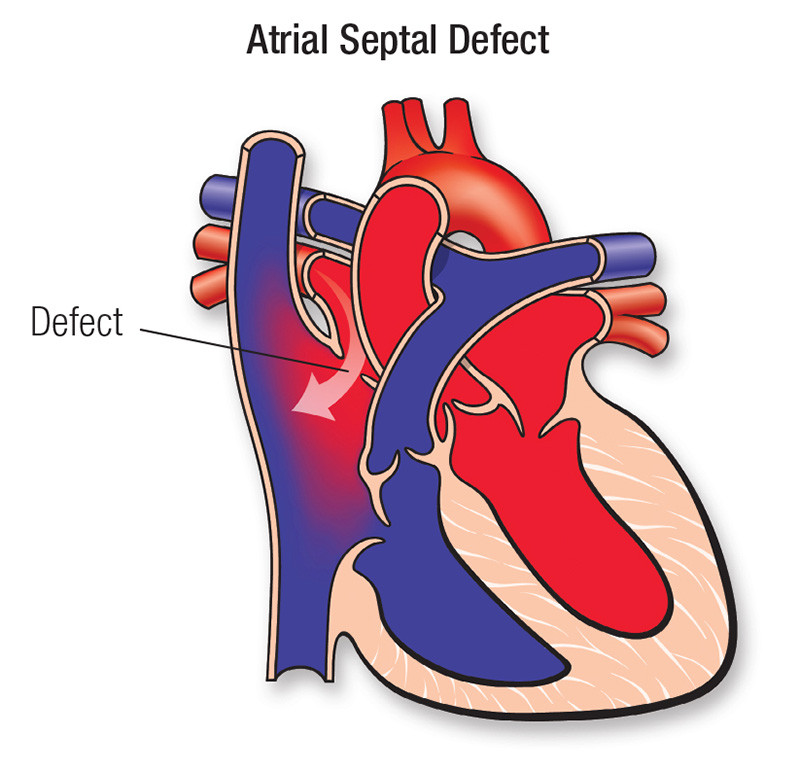
Definisi
Patent ductus arteriosus (PDA) merupakan sebuah lubang tidak normal antara aorta (pembuluh nadi terbesar pada tubuh) dan pembuluh nadi paru. Bukaan ini bernama duktus arteriosus, yang merupakan bagian dari sistem peredaran darah janin yang seharusnya menutup beberapa saat setelah lahir. Jika duktus arteriosus menetap, kondisi ini disebut sebagai patent ductus arteriosus. Kondisi ini secara umum dialami sekitar 5-10% seluruh pasien penyakit jantung bawaan pada bayi.
Penyebab
Duktus arteriosus merupakan bukaan yang menghubungkan aorta dan pembuluh nadi paru pada sistem peredaran darah janin. Bukaan ini berfungsi untuk mengalirkan darah menjauhi paru-paru. Hal ini diperlukan karena paru-paru janin sedang berkembang dan belum dipakai untuk pertukaran udara. Sementara itu, janin mendapatkan oksigen dari darah ibu.
Setiap bayi terlahir dengan duktus arteriosus. Duktus arteriosus tidak terpakai setelah lahir, sehingga biasanya akan menyempit dan menutup dalam beberapa hari. Pada bayi-bayi yang lahir kurang bulan (prematur), bukaan ini biasanya akan menutup lebih lama daripada bayi normal. Tidak hanya itu, kegagalan penutupan duktus arteriosus lebih sering ditemukan pada bayi prematur. Pada sebagian besar penderita PDA, penyebab pasti tidak diketahui.
Kondisi ini menyebabkan darah terlalu banyak mengalir ke paru-paru dan jantung. Jika tidak ditangani, tekanan darah pada paru-paru akan meningkat sehingga menyebabkan pembesaran jantung. Pembesaran jantung ini dapat disertai dengan kelemahan otot-otot jantung yang dapat memperparah kondisi tersebut.
Faktor Risiko
Faktor risiko PDA antara lain:
- Lahir prematur. Kegagalan penutupan duktus arteriosus lebih sering terjadi pada bayi yang lahir kurang bulan
- Riwayat keluarga dan kondisi genetik lainnya. Riwayat keluarga dengan penyakit jantung bawaan dan kondisi genetik lainnya seperti sindrom Down akan meningkatkan risiko seorang bayi terkena PDA
- Infeksi rubella saat kehamilan. Jika seorang ibu terinfeksi campak jerman (rubella) saat kehamilan, janin yang dikandungnya memiliki risiko lebih tinggi untuk mengalami PDA. Virus rubella dapat menembus ari-ari menuju peredaran darah bayi, dan dapat merusak sistem peredaran darah bayi, termasuk jantung.
- Lahir pada ketinggian. Bayi yang lahir di tempat dengan ketinggian lebih dari 2.500 meter memiliki risiko PDA lebih tinggi daripada bayi yang lahir di tempat yang lebih rendah
- Perempuan. PDA dua kali lebih sering terjadi pada bayi perempuan daripada laki-laki
Gejala
Bukaan duktus arteriosus yang berukuran kecil biasanya tidak menyebabkan gejala karena jantung dan paru tidak perlu bekerja lebih keras. Namun, jika ukuran bukaan cukup besar, bayi dapat bernapas lebih cepat dan sulit daripada bayi normal. Bayi juga dapat memiliki masalah dalam menyusu karena lebih cepat lelah. Hal ini selanjutnya dapat menyebabkan keterlambatan pertumbuhan bayi. Namun, gejala-gejala ini biasanya tidak muncul hingga beberapa minggu setelah lahir.
Gejala lainnya dapat berupa tekanan darah tinggi pada paru-paru karena terlalu banyak darah yang dialirkan ke paru-paru. Jika tidak ditangani secara tuntas, dapat terjadi kerusakan pada pembuluh nadi paru.
Diagnosis
Diagnosis PDA dapat ditegakkan melalui gejala dan berbagai pemeriksaan. Jika ukuran PDA cukup kecil, kondisi ini mungkin pertama kali ditemukan oleh dokter yang mendengarkan suara jantung bayi. PDA merupakan bukaan yang tidak seharusnya ada, sehingga menyebabkan bunyi jantung memiliki tambahan bunyi berupa bising jantung. Bising jantung ini dapat berbunyi keras atau pelan.
Pemeriksaan lainnya yang dapat dilakukan adalah pemeriksaan laboratorium dan radiologi. Pemeriksaan laboratorium yang dapat dilakukan adalah pemeriksaan darah lengkap, analisis gas darah, dan elektrokardiografi. Pemeriksaan darah lengkap dapat dilakukan untuk melihat kadar sel-sel darah pada bayi, yang dapat menunjukkan adanya kemungkinan penyakit jantung bawaan, baik PDA atau penyakit lainnya. Sementara itu, analisis gas darah dapat menunjukkan hasil yang normal pada bayi yang belum mengalami kerusakan jantung. Pada bayi atau anak yang sudah mengalami kerusakan jantung, hasil analisis gas darah dapat menunjukkan adanya kekurangan oksigen dalam darah serta peningkatan keasaman darah. Pemeriksaan rekam jantung atau elektrokardiografi (EKG) sangat tergantung pada ukuran PDA. Jika ukuran PDA kecil, hasil pemeriksaan dapat normal. Namun, pada PDA yang besar, EKG dapat menunjukkan adanya pembesaran jantung.
Pemeriksaan pencitraan yang dapat dilakukan berupa rontgen dada, echokardiografi Doppler, serta kateterisasi dan angiografi. Rontgen dada menggunakan sinar X yang dipancarkan ke dada pasien untuk melihat isi rongga dada. Hasil pemeriksaan ini dapat normal hingga adanya pembesaran jantung jika PDA sudah terjadi lama dan berukuran besar. Sayangnya, pemeriksaan ini tidak dapat menunjukkan PDA secara langsung. Sementara itu, echokardiografi Doppler menggunakan gelombang suara, dan dapat melihat asal aliran darah dengan bantuan warna. Echokardiografi dapat digunakan untuk mencari adanya PDA.
Kateterisasi dan angiografi tidak diperlukan untuk PDA yang tidak disertai komplikasi, karena pemeriksaan ini biasanya dilakukan bersama dengan tata laksana PDA. Kateterisasi merupakan sebuah prosedur untuk memasukkan selang ke dalam pembuluh darah, sementara angiografi merupakan prosedur untuk melihat susunan aliran darah setelah selang tersebut dimasukkan. Dengan kateterisasi dan angiografi, dokter dapat mengukur besar duktus arteriosus, mengukur kadar oksigen, serta mencari kelainan jantung dan pembuluh darah lainnya.
Tata Laksana
Pengobatan dan terapi PDA tergantung pada ukuran dan keparahannya. PDA yang berukuran kecil biasanya tidak memerlukan tata laksana, karena tidak menyebabkan gejala. Bahkan, PDA yang berukuran kecil kemungkinan dapat menutup dalam beberapa bulan pertama kehidupan. Pada bayi yang lahir prematur, dokter dapat menggunakan obat-obatan untuk menutup PDA. Obat-obatan ini cukup aman untuk dikonsumsi bayi, namun harus diberikan sesuai dengan anjuran dokter.
Jika PDA perlu ditutup, dokter biasanya akan melakukan kateterisasi dan angiografi untuk melihat PDA dan merencanakan penutupan duktus arteriosus. Selanjutnya, akan dimasukkan alat seperti penyumbat lewat selang menuju duktus arteriosus. Alat ini akan menutup duktus arteriosus sehingga tidak ada lagi darah yang mengalir melewatinya.
Pilihan lainnya adalah pembedahan. Biasanya, dokter akan membuka sedikit dada bagian kiri, di antara tulang rusuk. Selanjutnya, duktus arteriosus akan diikat dengan benang atau dijepit dengan jepit besi untuk menutupnya. Jika tidak ada kelainan jantung lainnya, hal ini akan mengembalikan aliran darah normal.
Setelah tindakan kateterisasi atau pembedahan dilakukan, anak Anda mungkin akan memerlukan kontrol rutin untuk memantau pertumbuhannya. Biasanya, anak yang sudah ditangani akan bertumbuh seperti anak normal, dan tidak memerlukan obat atau tindakan tambahan.
Komplikasi
Komplikasi PDA biasanya terjadi pada duktus arteriosus berukuran besar dan tidak ditangani segera. Komplikasi ini dapat berupa:
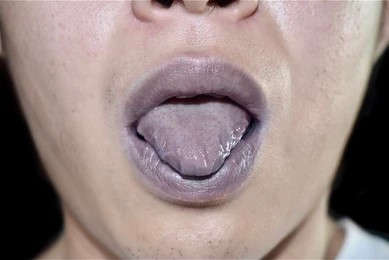
- Tekanan darah tinggi pada paru. Terlalu banyak darah yang mengalir melewati pembuluh nadi paru dapat menyebabkan tekanan darah tinggi pada paru. Dalam jangka panjang, hal ini dapat menyebabkan kerusakan pada paru-paru. Tidak hanya itu, dapat terjadi sindrom Eisenmenger, yaitu tekanan darah tinggi pada paru yang tidak dapat dipulihkan. Pada sindrom Eisenmenger, penderita dapat mengalami kulit kebiruan (sianosis) karena tubuh mendapatkan darah yang miskin oksigen
- Gagal jantung. Jika tidak ditangani, PDA dapat menyebabkan pembesaran jantung yang disertai kelemahan otot-otot jantung. Hal ini dapat menyebabkan gagal jantung, yaitu sebuah kondisi ketika jantung tidak dapat memompa darah dengan efektif
- Infeksi jantung (endokarditis). Orang dengan kelainan struktur jantung, seperti PDA, memiliki risiko yang lebih tinggi untuk mengalami peradangan pada jantung yang disebabkan oleh infeksi
Pencegahan
Pencegahan PDA dapat dilakukan dengan memastikan kehamilan Anda sehat. Kesehatan kehamilan dapat dijaga dengan melakukan hal-hal berikut:
- Mengikuti layanan antenatal, bahkan sebelum hamil. Sebelum hamil, Anda dapat berkonsultasi dengan dokter mengenai berhenti merokok, menurunkan stres psikologis, serta menghentikan KB. Anda juga mendiskusikan obat-obatan yang dapat Anda konsumsi selama kehamilan.
- Makan bergizi. Anda juga dapat menambahkan suplemen asam folat untuk memastikan perkembangan janin Anda sehat
- Berolahraga teratur. Anda dapat berkonsultasi dengan dokter mengenai rencana olahraga yang tepat bagi Anda
- Menghindari risiko. Risiko yang harus dihindari adalah konsumsi alkohol, rokok, dan obat-obatan ilegal. Anda juga sebaiknya menghindari kolam renang panas dan sauna
- Menghindari infeksi. Anda sebaiknya memastikan status imunisasi Anda lengkap sebelum kehamilan. Beberapa infeksi yang dapat dicegah dengan imunisasi berbahaya bagi perkembangan janin
- Menjaga kadar gula darah. Jika Anda memiliki diabetes mellitus tipe II, Anda dapat berkonsultasi dengan dokter mengenai kontrol gula darah sebelum hamil
Kapan Harus ke Dokter?
Segeralah ke dokter jika bayi atau anak Anda mengalami gejala berikut:
- Mudah lelah ketika sedang menyusu, makan, atau bermain
- Berat badan tidak bertambah atau turun
- Sesak napas ketika menyusu atau menangis
- Bernapas dengan cepat atau selalu kehabisan napas
Gejala-gejala di atas dapat menjadi penanda dari adanya penyakit jantung bawaan, baik PDA atau penyakit lainnya. Pemeriksaan ke dokter dapat mengarahkan anak Anda untuk tata laksana kondisinya. Semakin cepat kondisi tersebut ditata laksana, semakin tinggi pula kualitas tumbuh kembang anak ke depannya.
Mau tahu informasi seputar penyakit lainnya? Cek di sini, ya!
- dr Anita Larasati Priyono

Kim, L. (2018). Patent Ductus Arteriosus (PDA): Background, Anatomy, Pathophysiology. Retrieved 25 April 2022, from https://emedicine.medscape.com/article/891096-overview
Patent Ductus Arteriosus (PDA). (2022). Retrieved 25 April 2022, from https://www.heart.org/en/health-topics/congenital-heart-defects/about-congenital-heart-defects/patent-ductus-arteriosus-pda
Patent ductus arteriosus (PDA) - Symptoms and causes. (2021). Retrieved 25 April 2022, from https://www.mayoclinic.org/diseases-conditions/patent-ductus-arteriosus/symptoms-causes/syc-20376145