Definisi
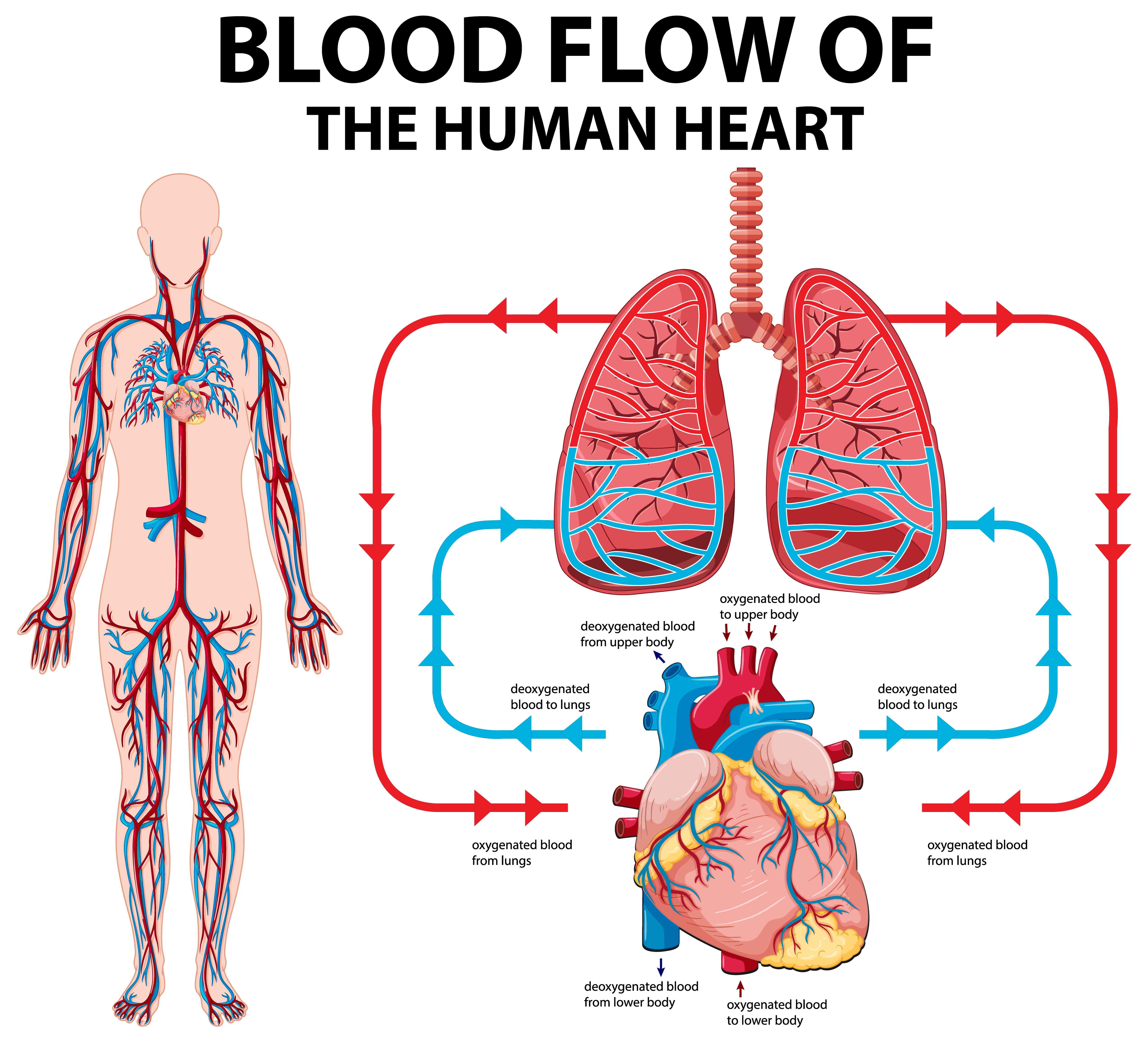
Aneurisma pembuluh darah perifer adalah pelebaran tidak normal (aneurisma) pada pembuluh darah, yang terjadi pada pembuluh darah selain pembuluh aorta. Aneurisma paling sering terjadi pada aorta, yaitu pembuluh darah utama dan terbesar yang membawa darah dari jantung ke seluruh tubuh. Aneurisma juga dapat terjadi pada pembuluh darah arteri lainnya di tubuh, seperti arteri pada daerah paha, belakang lutut, arteri koroner pada jantung, arteri karotis pada leher, dan arteri pada otak.
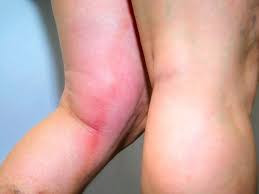
Aneurisma pembuluh darah perifer sangat jarang terjadi, hanya ditemukan pada sekitar 0,07% dari total populasi masyarakat. Aneurisma pembuluh darah perifer paling sering dialami oleh laki-laki. Pembuluh darah arteri yang paling sering mengalami aneurisma perifer adalah arteri poplitea yang terletak di belakang lutut.
Penyebab
Pelebaran pembuluh darah arteri yang tidak normal ini disebabkan oleh melemahnya dinding arteri. Tekanan dari aliran darah yang melewati pembuluh darah dengan dinding yang lemah dapat menyebabkan pelebaran pada pembuluh darah tersebut. Melemahnya dinding arteri dapat disebabkan oleh:
1. Bawaan lahir (kongenital)
Beberapa orang memiliki kecenderungan untuk mengalami aneurisma karena memiliki risiko genetik.
2. Aterosklerosis
Aterosklerosis adalah penumpukan plak-plak lemak pada dinding pembuluh arteri. Penumpukan plak lemak ini dapat dipicu oleh peningkatan kadar kolesterol darah dalam waktu lama, atau karena terganggunya keutuhan pembuluh darah akibat iritasi terus menerus dari rokok, alkohol, dan gula darah yang terlalu tinggi. Plak lemak dapat menyisip masuk ke lapisan dinding pembuluh darah yang melemah dan menyebabkan peradangan. Jika peradangan berlangsung dalam waktu lama, hal ini dapat memengaruhi kekuatan dinding pembuluh arteri.
3. Cedera Pembuluh Darah
Bila pembuluh darah mengalami luka atau cedera akibat kecelakaan, seperti tertusuk dan tertembak, dapat menyebabkan terjadinya aneurisma.
4. Infeksi Dinding Pembuluh Darah
Infeksi bakteri atau jamur yang menyerang dinding pembuluh darah dapat menyebabkan aneurisma. Infeksi ini bisa terjadi setelah mengalami infeksi hebat (sepsis) atau karena penyalahgunaan narkotika suntik, seperti heroin. Infeksi pada dinding pembuluh darah tersebut umumnya dimulai dari organ lain, seperti katup jantung, yang kemudian menyebar ke organ dan jaringan lain di tubuh.
Faktor Risiko
Sebagian besar kasus aneurisma pembuluh darah perifer disebabkan oleh kelainan genetik yang diturunkan di keluarga. Riwayat keluarga dengan penyakit yang sama dapat meningkatkan kemungkinan mengalami aneurisma pada keluarga lainnya.
Selain faktor genetik atau keturunan, faktor-faktor lain yang dapat meningkatkan risiko seseorang mengalami aneurisma pembuluh darah perifer adalah:
- Merokok
- Tekanan darah tinggi yang tidak terkontrol
- Kolesterol tinggi
- Obesitas
- Usia 60 - 70 tahun
- Jenis kelamin laki-laki
Seseorang yang diketahui mengalami aneurisma pembuluh darah perifer memiliki risiko lebih tinggi untuk mengalami aneurisma di pembuluh darah lainnya, sehingga mereka membutuhkan pemeriksaan lebih lanjut.
Gejala
Aneuerisma yang terjadi pada pembuluh darah perifer tidak selalu menunjukkan gejala. Hanya satu dari tiga pasien aneurisma pembuluh darah perifer yang menyadari adanya gejala tertentu. Umumnya aneurisma pembuluh darah perifer tidak sengaja ditemukan saat melakukan medical check-up atau pemeriksaan untuk penyakit lainnya.
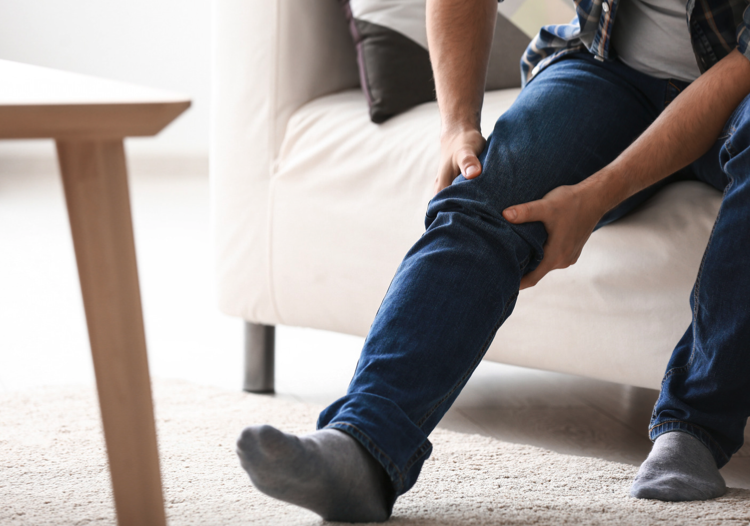
Jika bergejala, gejala yang muncul akan bervariasi bergantung pada lokasi arteri yang terdampak. Gejala yang dapat muncul adalah adanya benjolan yang berdenyut sesuai dengan denyut jantung pada daerah leher, tungkai, lengan, atau sekitar selangkangan. Selain itu, bisa ditemukan kelemahan, rasa baal, nyeri, serta gangguan organ terkait pembuluh darah tersebut. Contohnya pada arteri karotis, pembuluh darah ini besar dan memiliki percabangan ke otak dan wajah. Sehingga bila terdapat aneurisma pada pembuluh arteri karotis, bisa muncul gangguan penglihatan, keluhan sulit berbicara, kelemahan pada wajah, sampai gangguan keseimbangan.
Diagnosis
Untuk mendiagnosis aneurisma pembuluh darah perifer, dokter Anda akan melakukan pemeriksaan mulai dari keluhan utama, pemeriksaan fisik, dan pemeriksaan penunjang. Dokter Anda akan menanyakan keluhan yang Anda alami serta gejala yang tampak, sejak kapan dirasakannya, gejala yang menyertai keluhan, riwayat kesehatan Anda secara umum, dan riwayat keluarga dengan gejala yang sama. Jika Anda mengeluhkan adanya benjolan yang berdenyut, dokter Anda akan memeriksa benjolan tersebut dan memastikan apakah benjolan tersebut adalah aneurisma atau bukan.
Pemeriksaan penunjang yang dapat dilakukan antara lain:
- CT-scan, yaitu pemeriksaan radiologi untuk melihat gambaran organ tubuh secara detil dan 3 dimensi. Pemeriksaan ini dapat membantu dokter menemukan lokasi serta ukuran aneurisma untuk memperkirakan risiko pecahnya aneurisma tersebut.
- Angiogram, yaitu pemeriksaan radiologi dengan menggunakan zat kontras untuk melihat pembuluh darah secara lebih rinci.
- Ultrasound, yaitu pemeriksaan dengan menggunakan gelombang suara untuk melihat struktur pembuluh darah. Pemeriksaan ini tidak invasif dan tidak menggunakan sinar x-ray, sehingga cenderung aman dan dapat dilakukan tanpa persiapan tertentu sebelumnya.
Tata Laksana
Jika Anda telah memiliki aneurisma, pelebaran pembuluh darah tersebut tidak akan hilang dengan sendirinya dan tidak akan mengecil dengan obat-obatan. Perubahan gaya hidup dan kendali faktor risiko dapat membantu mencegah perburukan dari aneurisma yang telah terjadi, namun tidak dapat mengembalikan pelebaran pembuluh tersebut untuk kembali seperti semula.
Pengobatan aneurisma akan bergantung pada lokasi dan ukuran aneurisma, kondisi jaringan lain yang berada di sekitar aneurisma, gejala yang ditimbulkan, dan kondisi kesehatan Anda secara umum. Umumnya hanya aneurisma yang berlokasi di anggota gerak atas, berukuran lebih dari 2 cm, dan menimbulkan gejala yang memerlukan tindakan khusus. Konsultasikan pengobatan selanjutnya dengan dokter Anda.
Pengobatan pada aneurisma pembuluh darah perifer antara lain:
- Untuk ukuran aneurisma yang kecil, dokter Anda akan merekomendasikan follow-up rutin untuk memantau kondisi aneurisma dan perubahan gaya hidup, seperti berhenti merokok dan mengontrol tekanan darah.
- Untuk ukuran aneurisma yang lebih besar, bergejala, atau berisiko pecah; dokter Anda dapat merekomendasikan prosedur berikut:
- Open surgical repair atau operasi untuk mengangkat bagian pembuluh darah yang melebar dan menggantikannya dengan graft.
- Endovascular repair yaitu teknik operasi dengan menggunakan selang kateter, untuk memasukkan alat bernama stent ke dalam pembuluh darah. Tujuan stent ini adalah menjaga struktur pembuluh darah Anda sehingga aliran darah tidak terganggu.
Komplikasi
Setiap aneurisma memiliki risiko untuk pecah atau ruptur, namun aneurisma yang terjadi pada pembuluh darah perifer lebih jarang mengalami ruptur. Hanya sekitar <5% kasus aneurisma pada tungkai (arteri poplitea) dan 1 - 14% kasus aneurisma di area pinggul serta paha yang mengalami ruptur. Prosedur operasi juga dapat menimbulkan komplikasi serius, yaitu terbentuknya bekuan darah yang dapat menyumbat aliran darah di tubuh.
Pencegahan
Aneurisma tidak selalu dapat dicegah, namun Anda dapat menurunkan risiko mengalami aneurisma dengan langkah berikut:
- Tidak merokok atau segera berhenti merokok. Jika Anda merokok, berhenti merokok dapat menurunkan risiko Anda untuk mengalami aneurisma. Konsultasikan langkah berhenti merokok dengan dokter Anda.
- Mengontrol tekanan darah. Tekanan darah tinggi yang tidak terkontrol dapat menjadi salah satu penyebab dari aneurisma. Jika Anda memiliki tekanan darah tinggi, dokter Anda akan meresepkan obat-obatan untuk mengontrol tekanan darah tinggi Anda. Obat-obatan ini perlu diminum setiap hari walaupun Anda tidak mengalami keluhan tertentu.
- Konsumsi makanan yang sehat dan seimbang, mengurangi konsumsi garam, dan mengkonsumsi buah serta sayuran
- Membatasi konsumsi alkohol dan kafein
- Menjaga berat badan optimal. Jika Anda mengalami obesitas, mengurangi berat badan walaupun hanya sedikit dapat berdampak signifikan pada kesehatan Anda secara umum
- Pemeriksaan rutin jika Anda memiliki keluarga dengan Sindrom Marfan atau kondisi genetik lainnya
Kapan Harus ke Dokter?
Jika Anda mengalami gejala di atas atau memiliki keluarga dengan riwayat aneurisma, Anda perlu melakukan pemeriksaan rutin ke dokter untuk memastikan kondisi kesehatan Anda.
Mau tahu informasi seputar penyakit lainnya? Cek di sini, ya!
- dr Hanifa Rahma

Beth Israel Deaconess Medical Center. Peripheral Aneurysm. BIDMC. Available from: https://www.bidmc.org/conditions-and-treatments/heart-and-vascular/peripheral-aneurysm
Cleveland Clinic. (2021). Aneurysm. Available from: https://my.clevelandclinic.org/health/diseases/22769-aneurysm
Go MR. Peripheral Aneurysm. Society of Vascular Surgery (SVS). Available from: https://vascular.org/patients-and-referring-physicians/conditions/peripheral-aneurysm
St. Elizabeth's Medical Center. Peripheral Aneurysm. SEMC. Available from: https://www.semc.org/services-directory/vascular-endovascular-surgery/peripheral-aneurysm?load=210
Teo KK. (2021). Peripheral arterial aneurysms. MSD Manual Professional Version. Available from: https://www.msdmanuals.com/professional/cardiovascular-disorders/peripheral-arterial-disorders/peripheral-arterial-aneurysms?query=Aneurysms%20of%20Arteries%20in%20the%20Arms,%20Legs,%20and%20Heart