Definition
Severe Acute Respiratory Syndrome (SARS) is a respiratory disease that can be fatal. It first emerged in China in 2002 and quickly spread worldwide within a few months. The transmission of SARS largely involved travelers who were unaware that they carried the disease. Since 2004, there have been no reported cases of SARS worldwide.
Causes
SARS is caused by a virus originating from the Coronavirus group, named Severe Acute Respiratory Syndrome Coronavirus (SARS-CoV). While this group of viruses typically causes mild respiratory symptoms akin to the common cold, SARS presents as a collection of highly dangerous and potentially life-threatening symptoms. It's suspected that the SARS virus originated from animal transmission, likely mutating and infecting various animals before eventually crossing over to humans.
Viruses in the Coronavirus group, including SARS, spread through droplets or water droplets that exit the human respiratory tract when coughing, sneezing, and speaking. SARS is primarily transmitted through close contact, such as caring for infected individuals. Additionally, the virus can spread through contaminated surfaces such as door handles, phones, and elevator buttons.
Risk Factor
Risk factors for SARS include exposure to the virus through close contact with a person infected with SARS, such as a family member, as well as people at high risk of contracting the virus, such as health workers. Other risk factors can affect the severity of the disease. For example, older people (over 65 years) who experience SARS have a mortality rate of over 50%.
Symptoms
SARS typically begins with flu-like symptoms such as fever, chills, muscle aches, headache, and occasionally diarrhea. After 2-7 days, symptoms may progress to include fever with a temperature of 38 degrees Celsius or higher, dry cough, and shortness of breath. Unlike typical respiratory infections, coughing in SARS is usually not accompanied by phlegm. Additional symptoms may include fatigue, dizziness, nausea, and vomiting.
Diagnosis
The symptoms of SARS are similar to pneumonia or lung inflammation caused by infection. A history of travel or contact with others with similar symptoms in outbreak areas may indicate that someone has SARS. Doctors may also perform chest examinations using a stethoscope to listen to breath sounds. Additionally, other examinations may be performed to direct the diagnosis towards SARS, such as laboratory tests and imaging.
Laboratory tests may include blood gas analysis, blood clotting tests, blood chemistry tests (such as liver function, kidney function, blood sugar, and electrolytes), and complete blood tests. Meanwhile, imaging examinations may include chest X-rays or computed tomography scans (CT scans), depending on the availability of facilities. These imaging techniques are intended to visualize the appearance of the lungs.
The above tests can only direct the diagnosis to SARS, but an exact diagnosis of SARS can be made with several other tests. These tests may include antibody tests, which measure the body's immune response to the SARS virus; virus isolation; and detection of virus genetic material using polymerase chain reaction (PCR) methods.
Management
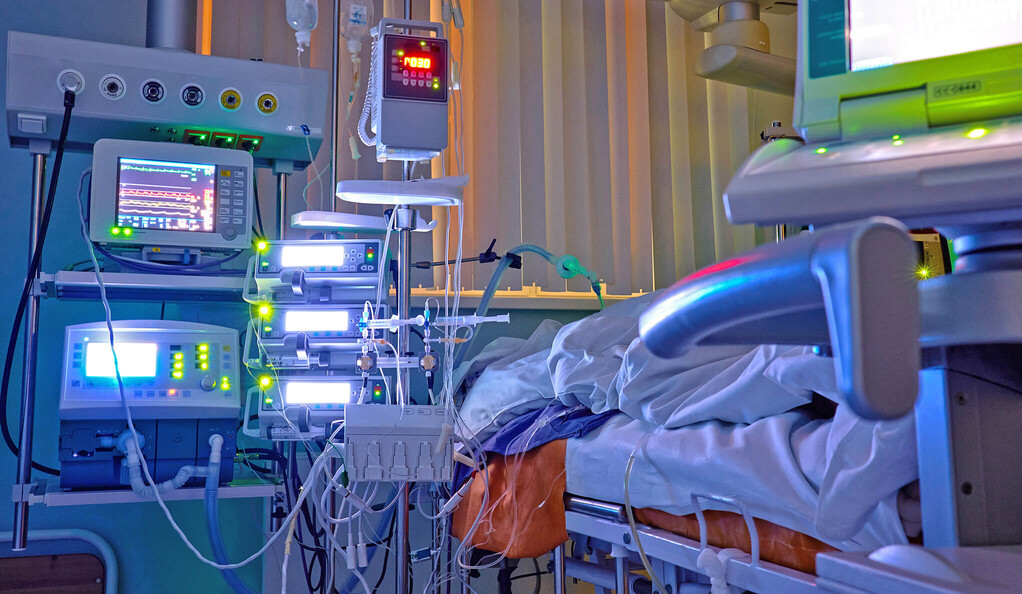
Anyone suspected of having SARS should be examined and managed as early as possible. Furthermore, individuals with SARS need to be isolated or quarantined in hospitals. This is necessary to prevent the spread of SARS. During hospitalization, treatment may include supportive management and antibiotics.
Supportive management aims to keep the patient alive and stable until their condition improves. This management may include oxygen therapy, respiratory aids, and chest therapy. Chest therapy involves a set of methods to remove phlegm from the lungs, including chest percussion, chest vibration, deep breathing, coughing, and expectoration.
Antibiotics in SARS are used to treat pneumonia because everyone who presents with complaints of cough, fever, and shortness of breath should be considered to have bacterial pneumonia until proven otherwise. Additionally, antibiotics are used to treat pneumonia caused by bacteria that co-occur with SARS virus infections.
In severe cases, clear fluid in the blood (plasma) from people who have recovered from SARS is used for therapy.
Complications
People infected with SARS often develop pneumonia, and respiratory disorders can become so severe that respiratory aids are necessary. SARS typically results in death due to respiratory failure. Other complications may include liver failure, heart failure, and kidney failure. Organ failure usually occurs due to a lack of oxygen circulating in the body, stemming from lung tissue damage caused by SARS.
Prevention
Preventing severe acute respiratory syndrome (SARS) is similar to preventing other respiratory illnesses, as outlined below:
- Regular handwashing. Wash your hands with soap and warm water or use alcohol-based hand sanitizer containing at least 60% alcohol.
- Wear disposable gloves. If you come into contact with body fluids or the dirt of patients, it's best to use disposable gloves. After use, discard the gloves and wash your hands thoroughly.
- Wear a mask. If you are in a room with a SARS patient, cover your mouth and nose with a mask, at least a surgical mask. Wearing goggles can also help prevent SARS transmission.
- Practice cough etiquette. Direct your nose and mouth into the inside of your elbow when coughing or sneezing. This can prevent SARS transmission because water droplets that come out when someone coughs or sneezes are highly likely to infect.
- Wash personal items. Use soap and warm water to wash kitchen utensils, eating utensils, towels, bedsheets, and clothes of SARS patients. Never combine food, drinks, and eating utensils of healthy individuals with those of SARS patients.
- Disinfect surfaces. Use disinfectants to clean the surfaces of objects that may be exposed to the sweat, saliva, mucus, vomit, urine, or feces of patients. Use disposable gloves when cleaning these objects and discard the gloves after use.
These preventive measures should be implemented for at least 10 days after the patient's signs and symptoms disappear. If you have children, it is best if your child does not go to school if they have a fever or respiratory symptoms such as cough, runny nose, or shortness of breath within 10 days of contact with a SARS patient.
When to See a Doctor?
SARS is a severe condition that can be life-threatening. If you experience signs and symptoms of respiratory infection or flu-like symptoms after traveling abroad, it is best to consult a doctor. Flu-like symptoms may include fever, chills, headache, muscle aches, and sometimes nausea and vomiting. If you have recently been in contact with someone who has SARS, it is best to consult a doctor about the monitoring you need to prevent further SARS transmission
- dr. Alvidiani Agustina Damanik
Severe Acute Respiratory Syndrome (SARS). Retrieved 25 February 2022, from https://www.who.int/health-topics/severe-acute-respiratory-syndrome#tab=tab_1
Severe acute respiratory syndrome (SARS) - Symptoms and causes. (2021). Retrieved 25 February 2022, from https://www.mayoclinic.org/diseases-conditions/sars/symptoms-causes/syc-20351765
Severe acute respiratory syndrome (SARS): MedlinePlus Medical Encyclopedia. (2022). Retrieved 25 February 2022, from https://medlineplus.gov/ency/article/007192.htm