
Definition
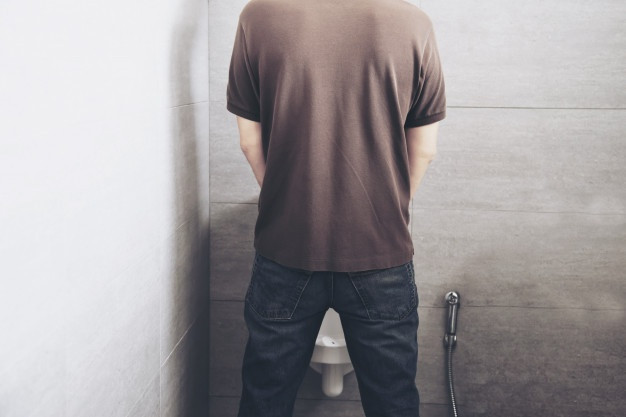
Prostatitis, or inflammation of the prostate, is a condition of inflammation in the prostate gland that can be caused by an infection either from the prostate or nearby organs. Prostatitis often causes difficulty or pain during urination, as well as pain in the groin and genital area. The prostate gland is a small gland, the size of a walnut, located below the male bladder. The prostate gland, along with other sex glands, is responsible for producing a fluid called semen that helps transfer sperm during ejaculation. Prostatitis can occur at any age but is most common between the ages of 30 and 50.
Prostatitis generally falls into four types:
- Acute bacterial prostatitis (category 1): A bacterial infection of the prostate that usually presents with sudden and severe symptoms.
- Chronic bacterial prostatitis (category 2): A recurring bacterial infection, usually with milder symptoms.
- Chronic prostatitis/chronic pelvic pain syndrome (category 3): Ongoing or recurrent pelvic pain with urinary tract infection symptoms without evidence of infection.
- Asymptomatic inflammatory prostatitis (category 4): Inflammation of the prostate without symptoms. This condition is usually discovered during examinations for other diseases, such as semen analysis for fertility tests.
Causes
The exact cause of prostatitis is not always known. Some cases may develop from bacterial infections, sexually transmitted infections, or urinary tract problems. Bacterial prostatitis is caused by bacterial inflammation of the prostate. Non-bacterial prostatitis is related to stress, nerve irritation, or a history of injury. However, several known causes can lead to prostatitis, including:
- Bladder infections or bladder stones
- Prostate stones
- Urinary tract infections
- Urinary retention (inability to empty the bladder completely)
- History of surgery or biopsy on the prostate and bladder
- Pelvic muscle stiffness
- Autoimmune diseases
- Stress
Risk Factor
Prostatitis can affect men at any age, but the following conditions increase the risk:
- Recent urinary tract or bladder infections, or other infections in the body
- Injury to the area between the scrotum and anus
- Abnormalities in the anatomy of the urinary tract
- Enlarged prostate
- History of catheter use in the urinary tract
- History of HIV/AIDS
- Previous history of prostatitis
Symptoms
Common symptoms of prostatitis include:
- Frequent urge to urinate, especially at night
- Painful urination
- Burning sensation during urination
- Pain in the rectum
- Reduced urine production
- Fever and chills (in acute infection)
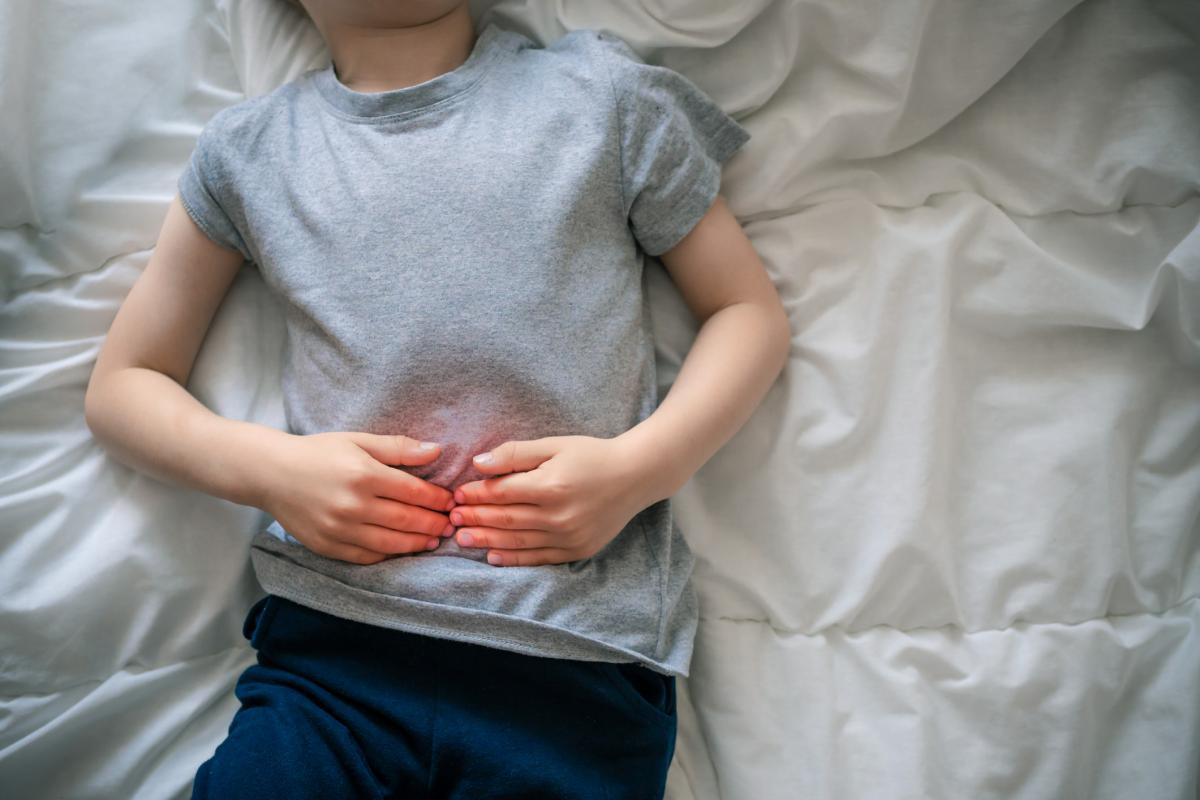
- Lower back or pelvic pain
- Discharge from the urethra
- Erectile dysfunction or decreased libido
- Sensation of stabbing pain in the rectum or genital area
- Painful ejaculation
- Blood and foam in the urine
Diagnosis
Doctors will conduct a medical interview, physical examination, and supporting tests to diagnose prostatitis. After the interview and general physical examination, the doctor will examine the genital and rectal areas to check for swelling, pain, and discharge. A digital rectal exam will be performed with hygienic procedures and gloves to check for prostate swelling or abnormalities.
Diagnostic tests may include:
- Blood tests: To detect indicators of inflammation or infection and measure Protein Specific Antigen (PSA) for prostate enlargement or cancer.
- Urinalysis: Collecting a urine sample to check for bacteria.
- Radiological tests (ultrasound, CT scan): To detect abnormal growth in the prostate.
- Prostate fluid sample: In some cases, collecting a prostate fluid sample for microscopic examination to detect bacteria.
- Cystoscopy: Inserting a thin, flexible tube through the penis to inspect the bladder and urinary tract for structural changes.
Management
Treatment for prostatitis depends on the type of prostatitis. Generally, it focuses on treating infections, reducing urinary symptoms, alleviating pain, managing psychosocial effects, and treating underlying conditions.
Treating Infections
If you have acute or chronic bacterial prostatitis, your doctor will prescribe antibiotics. Antibiotics can be given for 2 to 6 weeks, depending on the severity of the infection. All antibiotics must be prescribed by a doctor and taken under the supervision of the treating doctor.
Reducing Urinary Symptoms
Symptoms of prostatitis that are dominant with urinary complaints can be treated by taking certain medications. The doctor will prescribe medication according to the symptoms experienced to help relax the bladder and surrounding muscle fibers. This can help reduce urinary symptoms, especially pain when urinating.
Relieving Pain
Pain relievers may be prescribed if necessary.
Managing Psychosocial Effects
Your doctor will refer you to a psychologist or psychiatrist if you experience anxiety or depression due to prostatitis.
Treating Underlying Conditions
Depending on the cause, the doctor will treat prostatitis along with other diseases if the cause of prostatitis is another underlying disease. For example, if there is an autoimmune disease, HIV/AIDS, or urinary tract infection that is experienced along with prostatitis.
Complications
Complications of prostatitis, both acute and chronic, include:
- Bacterial infection in the blood (bacteremia)
- Epididymitis
- Prostate abscess
- Infection spreading to the upper pelvis or lower spine
- Anxiety and depression
- Sexual dysfunction
- Changes in sperm and semen production, leading to fertility issues
Prevention
Preventing prostatitis generally involves avoiding urinary tract infections. Tips for prevention include:
- Maintaining cleanliness of the penis and surrounding area
- Avoiding prolonged sitting
- Engaging in physical activity at least three times a week
- Staying hydrated
- Eating more fruits and vegetables
- Avoiding spicy foods
- Preventing obesity
- Reducing alcohol and caffeine intake
- Practicing safe sex
- Managing stress effectively
When to See a Doctor?
If you experience painful urination, stabbing sensations, excessive urination urges, or blood in the urine, especially with a history of autoimmune diseases, urinary tract infections, or previous prostatitis, see a doctor immediately for an examination.
Looking for more information about other diseases? Click here!
- dr. Alvidiani Agustina Damanik
Cleveland Clinic - Prostatitis. (2021). Retrieved 30 August 2022, from https://my.clevelandclinic.org/health/diseases/15319-prostatitis
John Hopkins Medicine - Prostatitis. (2021). Retrieved 30 August 2022, from https://www.hopkinsmedicine.org/health/conditions-and-diseases/prostatitis
Mayo Clinic - Prostatitis. (2022). Retrieved 30 August 2022, from https://www.mayoclinic.org/diseases-conditions/prostatitis/diagnosis-treatment/drc-20355771
National Healthcare Services - Prostatitis. (2020). Retrieved 30 August 2022, from https://www.nhs.uk/conditions/prostatitis/
Urology Care Foundation - Prostatitis. (2021). Retrieved 30 August 2022, from https://www.urologyhealth.org/urology-a-z/p/prostatitis-(infection-of-the-prostate)
WebMD - Can I Prevent Prostatitis? (2021). Retrieved 30 August 2022, from https://www.webmd.com/men/prevent-prostatitis
WebMD - What is Prostatitis? (2021). Retrieved 30 August 2022, from https://www.webmd.com/men/guide/prostatitis