Definisi
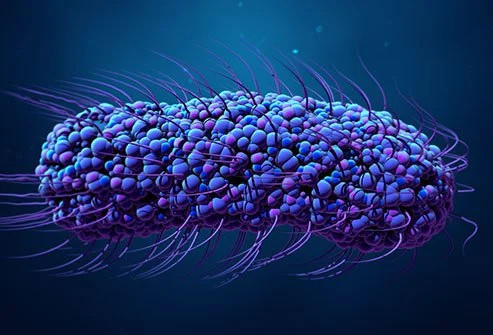
Pemeriksaaan widal merupakan pemeriksaan laboratorium klinis yang dilakukan untuk membantu dalam menetapkan diagnosis penyakit demam tifoid. Demam tifoid merupakan penyakit infeksi yang menyebar di dalam tubuh diakibatkan oleh kuman bakteri Salmonella enterica serotype typhi. Bakteri tersebut berada di dalam aliran darah dan saluran cerna sehingga dapat menyebar ke orang lain melalui air atau makanan yang sudah terkontaminasi oleh pasien. Periode inkubasi 'waktu dari terinfeksi hingga muncul gejala' biasanya dalam 8 – 14 hari.
Dalam rangka untuk menegakkan diagnosis penyakit demam tifoid, pemeriksaan widal bekerja dengan cara mendeteksi adanya ikatan antara zat antibodi (berasal dari darah pasien) dan antigen O (badan dari kuman) dan H (ekor dari kuman) dari struktur bakteri Salmonella typhi (bakteri penyebab demam tifoid) yang ada pada kit reagen pemeriksaan dan mengukur kadar ikatan tersebut dalam bentuk aglutinasi (gumpalan) yang dikerjakan di laboratorium klinik.
Pemeriksaan widal hanya menggunakan sampel darah pasien yang diambil seperti cek darah pada umumnya, kemudian dengan metode tertentu dengan bantuan slide kaca, akan dinilai apakah terjadi gumpalan (aglutinasi) atau tidak melalui pencampuran antara sampel darah pasien dan larutan tertentu yang berisi antigen bakteri sesuai kit pemeriksaan.
Apabila terjadi gumpalan, maka gumpalan tersebut diencerkan dan dilakukan pengenceran berulang hingga gumpalan tidak terbentuk sehingga gumpalan terakhir digunakan sebagai titer dari pemeriksaan widal.
Apabila tidak terjadi gumpalan, maka kemungkinan besar tidak terdapat antibody terhadap kuman di dalam tubuh pasien sehingga diagnosis penyakit demam tifoid dapat disingkirkan.
Pemeriksaan widal umumnya diajukan oleh dokter apabila Anda memiliki beberapa keluhan yang dicurigai mengarah ke penyakit demam tifoid, misalnya demam yang berlangsung lebih dari 3 hari, nyeri perut, mual, muntah, diare, sembelit, tidak nafsu makan, lemas, rasa tidak nyaman di perut.
Pemeriksaan widal dapat dilakukan dengan spesimen tunggal namun pemeriksaan titer antibodi O saja yang memiliki nilai diagnostic terhadap infeksi tifoid untuk kemudahan praktik sehari-hari di lapangan. Meskipun demikian, berdasarkan teori, pasien dapat dinyatakan positif mengalami demam tifoid apabila terdapat kenaikan titer sebanyak 4x dari titer awal dengan jarak waktu 10–14 hari.
Biasanya, antibody O dapat dideteksi pada hari ke 6–8, sedangkan antibody H pada hari ke 10-12 setelah adanya gejala demam tifoid. Di Indonesia, pemeriksaan widal dianggap bermakna apabila didapatkan titer antibody sebesar 1/320 atau lebih.
Pemeriksaan widal biasanya dikerjakan bersamaan dengan pemeriksaan lainnya untuk menentukan penyebab dari demam seperti pemeriksaan darah lengkap (berupa Hb, Ht, Leukosit, dan Trombosit, serta hitung jenis leukosit), pemeriksaan panel demam berdarah (igG dan igM anti dengue atau NS1), atau pemeriksaan urine lengkap pada beberapa kasus tertentu.
Indikasi
Pemeriksaan ini biasanya dikerjakan pada beberapa kondisi sebagai berikut, yaitu:
- Untuk membantu penegakkan diagnosis gangguan atau penyakit demam tifoid
- Untuk membantu menyingkirkan penyebab demam selain demam tifoid apabila hasil widal negatif
- Untuk memantau perkembangan penyakit demam tifoid sudah ada perbaikan atau belum
Kontraindikasi
Tidak ada kontraindikasi atau kondisi yang membuat seseorang tidak bisa melakukan pemeriksaan ini.
Persiapan Sebelum Pemeriksaan
Tidak ada persiapan khusus sebelum melakukan pemeriksaan masa perdarahan. Pemeriksaan ini bisa dilakukan dalam keadaan tidak berpuasa. Meskipun demikian, Anda disarankan untuk melakukan konsultasi medis terlebih dahulu kepada dokter sebelum melakukan pemeriksaan masa perdarahan sebab ada beberapa kondisi atau penggunaan obat tertentu yang dapat menganggu hasil laboratorium sehingga tidak menggambarkan kondisi Anda yang sesungguhnya.
Prosedur Pemeriksaan
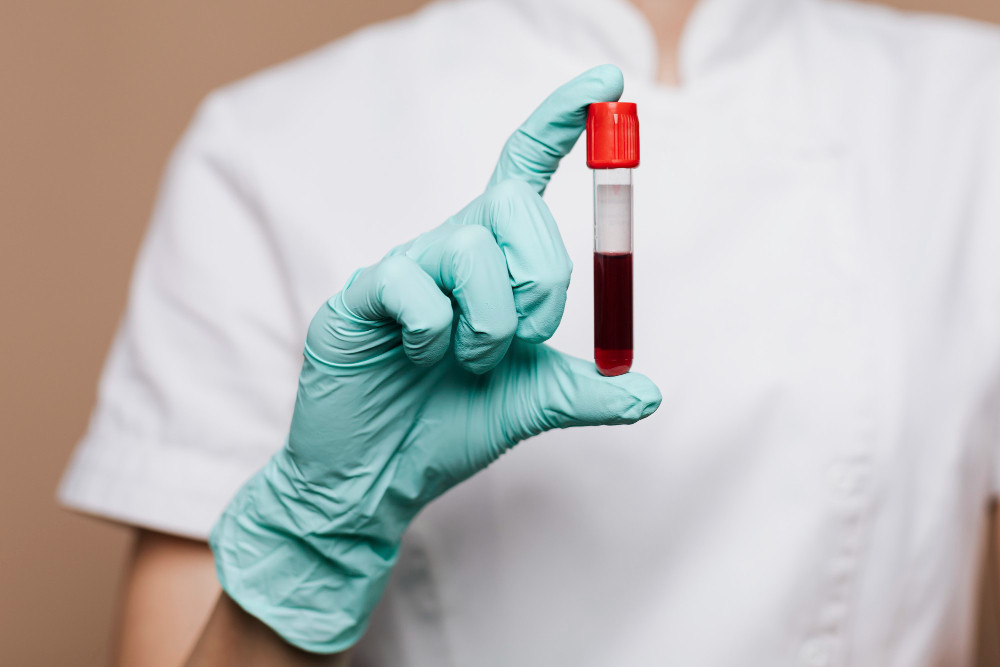
Pemeriksaan widal umumnya menggunakan sampel serum darah sebanyak 0,25-0,5 ml. Sampel serum darah ini diambil dari pembuluh darah vena dan akan dikumpulkan ke dalam tabung khusus. Petugas laboratorium akan memakai sarung tangan khusus dan APD (Alat Pelindung Diri) saat mengambil sampel pemeriksaan.
Sebelum mengambil darah, petugas akan memasang pita elastis dan membersihkan area penusukan jarum dengan kasa antiseptik. Biasanya petugas mengambil darah di area lipatan siku. Setelah darah diambil dan dimasukkan ke dalam tabung khusus, petugas akan melepas pita elastis yang terpasang, menekan dan membersihkan area penusukan dengan kasa antiseptik. Prosedur pemeriksaan ini hanya berlangsung selama beberapa menit saja. Sampel darah yang telah didapatkan akan diperiksakan menggunakan alat khusus di laboratorium, dan hasilnya bisa diketahui dalam beberapa jam kemudian.
Nilai Normal dan Abnormal
Rentang nilai normal pemeriksaan widal umumnya tidak dibedakan berdasarkan umur atau jenis kelamin. Secara umum, berikut ini merupakan rentang nilai normal dan abnormal terutama nilai S. Typhi O pada hasil pemeriksaan widal.
|
Nilai |
Interpretasi |
|
0 - 1/80 |
Negatif |
|
0 – 1/160 |
Negatif |
|
1/320 |
Positif |
Meskipun demikian, setiap laboratorium memiliki patokan rentang nilai yang sedikit berbeda antara satu laboratorium dengan laboratorium lainnya sesuai panduan yang dianut dan metode yang digunakannya.
Hasil dan Saran (Pemeriksaan Lanjutan)
Normal
Jika hasil pemeriksaan widal Anda menunjukkan nilai negatif, kemungkinan besar Anda telah menjalankan pola hidup sehat dengan baik dan tidak ada kelainan yang berhubungan dengan penyakit demam tifoid apabila tidak ada gejala dan tanda klinis tertentu.
Anda disarankan untuk tetap mempertahankan pola hidup sehat Anda saat ini sehingga dapat mencegah penyakit demam tifoid yang ditandai oleh peningkatan kadar titer antibody O terhadap S. typhii di dalam darah.
Positif
Jika hasil pemeriksaan widal Anda menunjukkan nilai positif, sebaiknya Anda berkonsultasi dengan dokter. Perlu diperhatikan juga bahwa nilai Anda bisa saja positif namun lebih kecil dari + 1/320 dan tidak ada gejala dan tanda tertentu mengarah ke penyakit demam tifoid. Hal ini disebabkan di beberapa wilayah di Indonesia termasuk wilayah endemis tifoid.
Nilai titer antibody O terhadap S. typhi yang sebesar + 1/320 memiliki nilai diagnostic yang menunjang untuk menetapkan diagnosis penyakit tifoid apabila terdapat beberapa keluhan dan tanda tertentu terutama demam dan keluhan pada saluran cerna.
Apabila telah dipastikan Anda mengalami demam tifoid yang didiagnosis melalui pemeriksaan wawancara medis, pemeriksaan fisik, dan hasil pemeriksan widal antigen O sebesar + 1/320, maka dokter akan memberikan anjuran untuk istirahat yang cukup, dan memberikan obat-obatan tertentu untuk Anda.
Walaupun nilai widal Anda menunjukkan nilai yang positif, Anda tidak disarankan untuk melakukan diagnosis medis sendiri sehingga perlu datang ke dokter untuk melakukan konsultasi dan pemeriksaan fisis apabila ada keluhan dan tanda tertentu.
Konsultasikan ke Dokter yang Tepat
Hasil pemeriksaan widal pada orang dewasa dapat dikonsultasikan dengan dokter umum, untuk selanjutnya dilakukan pemeriksaan lanjutan ataupun memulai terapi untuk diagnosis yang sesuai. Anda juga dapat berkonsultasi dengan dokter penyakit dalam atau konsultan infeksi tropis untuk berdiskusi mengenai masalah widal Anda lebih jauh. Pada pasien anak, hasil pemeriksaan selain normal harus dikonsultasikan dengan dokter spesialis anak.
Mau tahu informasi seputar hasil pemeriksaan laboratorium, radiologi, dan lainnya? Cek di sini, ya!
- dr Anita Larasati Priyono

Medcape. Typhoid feber workup. 2022 March. https://emedicine.medscape.com/article/231135-workup#c5
Lab test online. Widal Test. 2022 April. https://labtestsonline.org/tests/widal-test
Science Direct. Widal Test. 2022 April. https://www.sciencedirect.com/topics/biochemistry-genetics-and-molecular-biology/widal-test
Universitas Udayana. Demam tifoid. 2022 April. https://ojs.unud.ac.id/index.php/eum/article/download/7895/5978