
Definition
The TPHA (Treponema Pallidum Hemagglutination Assay) test is used to detect the presence of antibodies in a patient's serum that target the bacteria responsible for syphilis.
Syphilis, sometimes referred to as the "king of diseases," is a sexually transmitted infection caused by the bacterium Treponema pallidum. This bacterium is transmitted through direct contact with syphilitic sores during sexual activity, including vaginal, oral, and anal sex.
The TPHA test works by detecting antibodies to T. pallidum bacteria through a clotting method known as hemagglutination. When serum samples from individuals infected with syphilis are exposed to the test, they cause clots to form on the surface of the test tool.
There are two primary types of tests used to detect syphilis: nontreponemal tests and treponemal tests. Typically, a nontreponemal test is performed first to detect antibodies to the bacteria that cause syphilis. However, other conditions, such as autoimmune diseases, other infections, or vaccinations, can also trigger the immune system to produce antibodies that may interfere with the results.
Nontreponemal tests, like the RPR (Rapid Plasma Reagin) and VDRL (Venereal Disease Research Laboratory) tests, help identify the presence of antibodies. If these tests show positive results, a treponemal test is recommended to determine whether the body is actually infected with syphilis.
Treponemal tests, including the TPHA test, specifically look for antibodies that are produced by the immune system solely to fight syphilis. The presence of these antibodies indicates either a current syphilis infection or a past infection. Other treponemal tests include:
-
TP-PA (T. pallidum particle agglutination assay) test
-
TP-EIA (T. pallidum enzyme immunoassay) test
-
FTA-ABS (Fluorescent Treponemal Antibody Absorption) test
Indication
The TPHA test is typically performed in several situations, including:
-
To help diagnose syphilis.
-
To assess whether a syphilis infection is present, particularly if there are specific symptoms or if you’ve had recent sexual contact with someone who has syphilis.
-
To monitor the progression of syphilis after treatment.
-
As a screening tool for individuals at high risk of syphilis and for pregnant women, as part of the Indonesian government's triple elimination program.
Contraindication
There are no specific contraindications for undergoing the TPHA test. This test is generally safe for people of all ages.
Preparation Before the Test
No special preparation is required before taking the TPHA test. Fasting is not necessary. However, it is recommended that you consult a doctor before undergoing the test, as certain conditions could affect the laboratory results and cause them not to accurately reflect your current health status.
Test Procedure
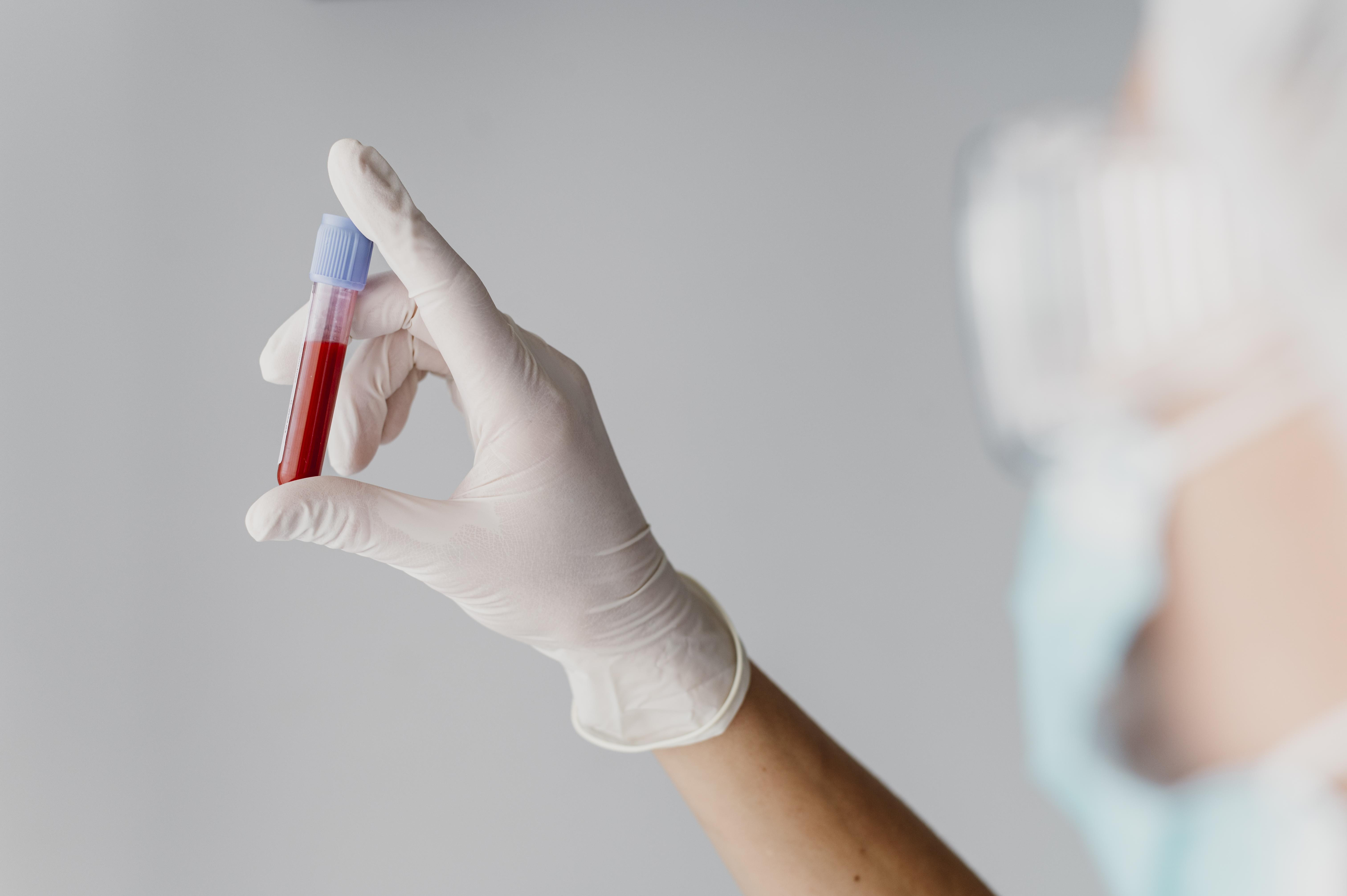
The TPHA test typically requires a blood serum sample of about 0.25 - 0.5 ml. This blood sample is drawn from a vein and collected into a special tube. Laboratory staff will wear gloves and Personal Protective Equipment (PPE) while taking the sample.
Before the blood draw, the technician will apply an elastic band around your arm to increase the visibility of veins and clean the area with antiseptic gauze. The most common site for blood collection is the inner elbow. Once the blood is drawn and placed into the collection tube, the elastic band will be removed, and the puncture site will be cleaned and pressed with antiseptic gauze to prevent bleeding.
The test procedure takes just a few minutes. The blood sample is then examined in the laboratory using specialized equipment, and the results can usually be obtained within a few hours.
Normal and Abnormal Values
Normal TPHA values are generally not distinguished by age or gender. The typical interpretations are as follows:
| Value | Interpretation |
| Non-reactive | Negative |
| Reactive | Positive |
Results and Recommendations (Follow-up Tests)
Negative Results
If your TPHA test results show a negative value, it suggests that you are likely in good health, with no symptoms or clinical signs indicating syphilis. A negative result also means that your immune system has not produced antibodies in response to a syphilis infection.
It is advised that you maintain your current healthy lifestyle to reduce the risk of syphilis. For individuals at high risk, such as those with multiple sexual partners or those who engage in unprotected sex, it is recommended to repeat the TPHA or VDRL tests every 3 months as a preventive measure.
Positive Results
If the TPHA test results are positive, it indicates the presence of an active syphilis infection or a past infection that has been treated. You should consult a doctor for further evaluation. The doctor may recommend additional tests, such as a nontreponemal test, to confirm your diagnosis.
A positive result means that treatment is necessary to address the syphilis infection.
Consult the Right Doctor
For adults with abnormal TPHA test results, you can consult a general practitioner to begin treatment or undergo additional testing to confirm the diagnosis. A dermatologist can also be consulted to further discuss the TPHA test results. In pediatric cases, any abnormal test results should be discussed with a pediatrician.
Looking for more information about laboratory, radiology, and other examination results? Click here!
- dr Hanifa Rahma
TPHA Test. (2022). Retrieved 19 September 2022, from https://www.portea.com/labs/diagnostic-tests/tpha-test-236/
Syphilis Test. (2022). Retrieved 19 September 2022, from https://www.britannica.com/science/syphilis-test#ref1118549
Treponema pallidum hemagglutination (TPHA) Test. (2018). Retrieved 19 September 2022, from https://link.springer.com/chapter/10.1007/978-3-319-77694-1_5
Syphilis Tests. (2022). Retrieved 19 September 2022, from https://medlineplus.gov/lab-tests/syphilis-tests/
Syphilis Tests. (2022). Retrieved 19 September 2022, from https://www.testing.com/tests/syphilis-test/
Syphilis - CDC Detailed Fact Sheet. (2022). Retrieved 19 September 2022, from https://www.cdc.gov/std/syphilis/stdfact-syphilis-detailed.htm
Syphilis. (2022). Retrieved 19 September 2022, from https://www.mayoclinic.org/diseases-conditions/syphilis/symptoms-causes/syc-20351756