Definition
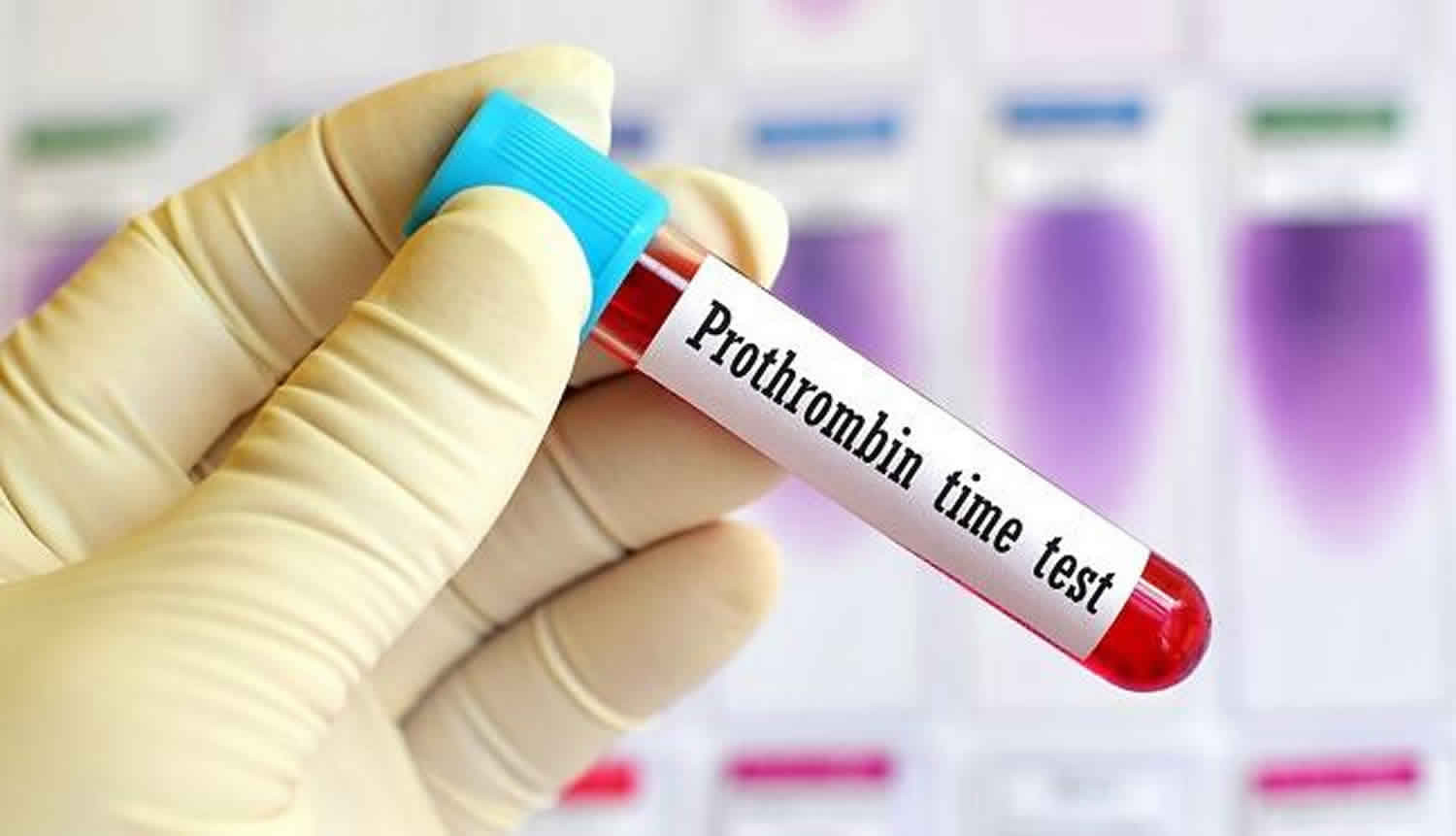
The plasma prothrombin time (PT) test is a diagnostic laboratory procedure conducted to determine the duration needed for the body to form a blood clot from a blood sample taken in a clinical setting.
Conversely, the International Normalized Ratio (INR) test is a laboratory procedure designed to calculate a value derived from the PT test results.
Prothrombin is a protein produced by the liver and is recognized as one of the essential components in the blood clotting process. Blood clotting factors interact to form a clot when an injury or wound causes bleeding.
The PT value is obtained by measuring the time, in seconds, for blood plasma to coagulate after thromboplastin (a mixture of tissue factors, calcium, and phospholipids) is added to the plasma sample. Since the thromboplastin reagents available vary in composition, different PT values may result even when using the same blood plasma sample from a patient. For this reason, the World Health Organization (WHO) emphasized the need for a standard PT value derived from the INR calculation.
The INR is a standard value introduced by the WHO to normalize PT values, particularly in patients receiving warfarin. This ensures that the PT results from any laboratory will yield INR values that can be reliably compared across laboratories worldwide. The INR represents the ratio of the patient's PT value compared to a control PT value, which is derived from international reference reagents developed by WHO.
Inadequate blood clotting factors may lead to excessive bleeding when an injury occurs. On the other hand, excessively high clotting factor levels can result in dangerous blood clots, which may obstruct blood flow in arteries or veins.
The PT/INR test helps determine whether the blood clotting process in the body is functioning within the normal range. It is also used to monitor the effectiveness of therapies or medications intended to prevent blood clots or to treat specific clotting disorders.
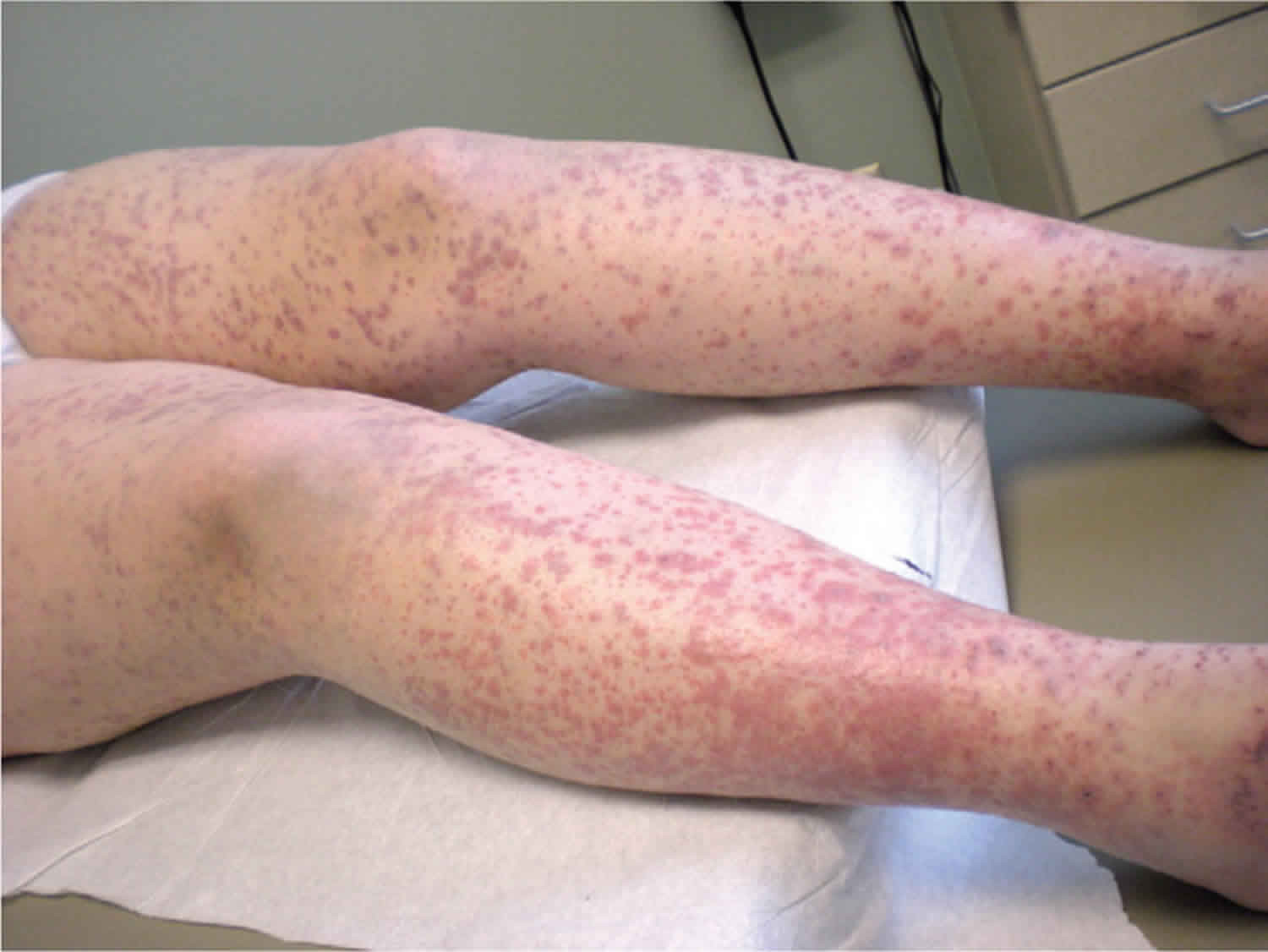
A physician typically orders the PT/INR test when a patient shows signs of a potential bleeding disorder, such as prolonged bleeding after an injury, easy bruising from minimal impact or friction, excessive menstrual bleeding, or persistent nosebleeds or gum bleeding.
Additionally, the test may be ordered to evaluate potential blood clotting issues, indicated by symptoms such as pain, swelling, or redness in both legs, shortness of breath, chest pain, or a rapid heart rate.
The PT/INR test is often conducted alongside other tests, such as coagulation time (CT), bleeding time (BT), or Activated Partial Thromboplastin Time (APTT), as part of a comprehensive blood hemostasis panel, which assesses the body's clotting capabilities.
Indication
This test is commonly ordered in the following situations:
-
To monitor the use of warfarin
-
To aid in diagnosing bleeding disorders when related complaints and clinical signs are present
-
To help diagnose disseminated intravascular coagulation (a condition that causes abnormal clot formation in blood vessels)
-
To establish a baseline value before starting anticoagulant (blood-thinning) therapy
-
To assess liver function regarding protein synthesis
-
To calculate the MELD score (Model for End-Stage Liver Disease) in patients with liver disease
-
To assist in screening for clotting factor disorders involving types II, V, VII, and X
Contraindication
There are no specific contraindications or conditions that would prevent someone from undergoing this test.
Preparation Before the Test
No special preparation is needed before conducting this test. The test can be done without fasting. However, it is recommended to consult a doctor before undergoing the test, as certain conditions or the use of particular medications might interfere with the laboratory results, potentially leading to inaccurate readings. Some medications, like the anticoagulants warfarin or dabigatran, can extend plasma prothrombin time.
Test Procedure
The PT/INR test typically requires a blood serum sample of at least 0.5 ml, which is drawn from a vein and placed into a designated tube. Laboratory staff will use protective gloves and personal protective equipment (PPE) while collecting the sample.
Before blood collection, a tourniquet will be applied, and the puncture area will be disinfected with antiseptic gauze. Blood is usually drawn from the area in the elbow crease. After the blood is collected in the tube, the tourniquet is removed, and pressure is applied to the puncture site, followed by cleaning with antiseptic gauze. This entire process takes just a few minutes. Once the sample is collected, it will be tested using specialized equipment in the lab, and the results will be available within a few hours.
Normal and Abnormal Values
The normal range for plasma prothrombin time (PT/INR) values is generally consistent across age and gender. The typical reference ranges for PT test results are:
|
Value (Seconds) |
Interpretation |
|
9.4-12.5 |
Normal |
|
>12.5 |
Prolonged |
Similarly, the normal and abnormal values for INR test results are as follows:
|
Value |
Interpretation |
|
0.9-1.1 |
Normal |
|
>1.1 |
Longing |
For patients who are on warfarin treatments, the normal INR value range differs from the general population:
|
Value |
Interpretation |
|
2.0-3.5 |
Normal |
|
> 3.5 |
Longing |
It's important to note that each laboratory may have slightly different reference ranges due to variations in equipment or machines used for testing.
Results and Recommendations (Follow-up Tests)
Normal Results
If the PT/INR test results fall within the normal range, it likely indicates that your blood clotting process is functioning properly. If no symptoms or clinical signs, such as prolonged bleeding after an injury or easy bruising from minimal friction are present, it suggests that there are no blood clotting abnormalities.
It is advisable to continue maintaining a healthy lifestyle to avoid developing conditions that might affect your PT/INR levels, ensuring that you remain in good health.
Prolonged Results
If your PT/INR results show prolonged values, it is essential to consult a healthcare provider. Note that certain medications, especially anticoagulants like warfarin, may cause the PT/INR results to be prolonged. It’s crucial to rule out the effects of these medications before further evaluation.
In cases of prolonged PT/INR, especially for patients on warfarin, a doctor may adjust the medication dosage to prevent excessive bleeding in the body.
Various factors can contribute to an extended PT/INR, including liver disease, vitamin K deficiency, inherited deficiencies of clotting factors (types II, VII, IX, and X), disseminated intravascular coagulation (DIC), or antiphospholipid antibody syndrome (a disorder that leads to recurrent blood clots and/or miscarriage in pregnant women, associated with the presence of antiphospholipid antibodies in the blood).
Even if your PT/INR values are prolonged, self-diagnosis is not recommended. It is important to consult a healthcare professional for a thorough physical examination and further consultation if you experience symptoms or signs of concern.
Consult the Right Doctor
Adults who undergo the PT/INR test can discuss the results with a general practitioner to determine the need for further tests or to begin appropriate therapy based on the diagnosis. For more detailed analysis, you may also consult an internist or a hematology-oncology specialist to discuss the PT/INR results in greater depth. For pediatric patients, if the test results fall outside of the normal range, it is advised to consult a pediatrician for further evaluation.
Looking for more information about laboratory, radiology, and other examination results? Click here!
- dr Hanifa Rahma
Medscape. Prothrombin time. 2019 November. https://emedicine.medscape.com/article/2086058-overview
Medline Plus. Prothrombin time test and INR (PT/INR). 2021 September. https://medlineplus.gov/lab-tests/prothrombin-time-test-and-inr-ptinr/
Mayo Clinic Lab. Prothrombin time plasma. 2022 April. https://www.mayocliniclabs.com/test-catalog/overview/40934#Specimen
National Library of Medicine. Prothrombin time. 2021 December. https://www.ncbi.nlm.nih.gov/books/NBK544269/
Mayo Clinic. Prothrombin time test. 2022 April. https://www.mayoclinic.org/tests-procedures/prothrombin-time/about/pac-20384661