
Definition
Tachycardia is a heart rate that is faster than normal. The definition of a fast heart rate depends on the child's age and physical condition. For example, in newborns, tachycardia is defined as a resting heart rate above 160 beats per minute. In contrast, in adolescents, a resting heart rate above 90 beats per minute is considered tachycardia. While tachycardia can be normal, it can also be a type of abnormal heart rhythm (arrhythmia). Below are normal heart rate values for different ages:
| Age | Normal heart rate (beats per minute) |
| 0-<6 months | 120-160 |
| 6-<12 months | 110-150 |
| 1-<2 years | 100-140 |
| 2-<3 years | 90-130 |
| 3-<4 years | 90-120 |
| 4-<6 years | 80-120 |
| 6-<8 years | 70-110 |
| 8-<12 years | 70-100 |
| 12-<18 years | 60-100 |
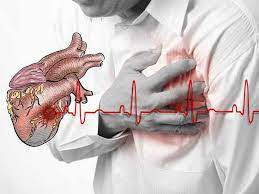
The heart rate is controlled by the heart's electrical activity. The heart contains specialized cells called pacemakers, responsible for generating electrical impulses that are sent to the heart muscle, enabling it to pump blood efficiently. These electrical signals must be released in a coordinated manner to maintain a normal heart rhythm, which flows from the atria to the ventricles.
There are two types of tachycardia:
- Ventricular tachycardia: tachycardia that affects only the ventricles.
- Supraventricular tachycardia: tachycardia involving both the atria and ventricles. This is the most common type of tachycardia in children, affecting about 1 in 2,500 children. It was previously known as paroxysmal atrial tachycardia or paroxysmal supraventricular tachycardia.
Causes
Normal tachycardia can occur due to fever, anemia, physical activity, excitement, or emotional stress.
Abnormal causes of tachycardia include:
- Supraventricular tachycardia. This condition is usually congenital, meaning present from birth, but the onset and severity of symptoms can vary. In most cases, it occurs in children with normal hearts but can also appear in children with congenital heart disease.
- Ventricular tachycardia. This is rare in children but can be serious. It usually occurs in children with severe heart conditions but can also occur without any underlying health issues.
Risk Factor
Children are at higher risk of developing tachycardia if they:
- Have a family history of heart rhythm disorders.
- Have heart disease or have undergone heart surgery.
- Take medications that can trigger abnormal heart rhythms, such as pseudoephedrine or caffeine-containing drugs.
Symptoms
Tachycardia is characterized by a heart rate faster than normal, which can exceed 160 beats per minute in children. During an episode of supraventricular tachycardia in infants, the heart rate can even reach over 220 beats per minute, making it sometimes too fast to count. The duration of episodes can range from seconds to hours, depending on the severity.
Symptoms during a tachycardia episode include:
- Dizziness
- Lightheadedness
- Weakness
- Chest discomfort or pain
- Discomfort in the neck
- Heart palpitations
- Rapid breathing or shortness of breath
- Unusual sleepiness, lethargy, or fussiness in children
In infants, supraventricular tachycardia often goes unnoticed until heart failure symptoms appear, as infants tolerate faster heart rates without showing obvious symptoms. However, prolonged episodes (over 24-36 hours) can exhaust the heart muscle, reducing its pumping efficiency. Symptoms of heart failure in infants include:
- Difficulty feeding or drinking
- Excessive sleepiness
- Fussiness or irritability
- Vomiting
- Rapid breathing
- Pale skin
Although supraventricular tachycardia is usually congenital, symptoms can appear at any age, not necessarily at birth. Episodes are more frequent during infancy, around ages 7-8, and throughout adolescence. The frequency and duration of episodes can vary and are not always triggered by physical activity.
If the first episode of supraventricular tachycardia occurs during infancy, it often resolves on its own by ages 12-18. However, if it first appears after the first year of life, it is more likely to persist and recur.
Diagnosis
Tachycardia is diagnosed through a combination of medical history, physical examination, and additional tests. Often, the physical exam is normal in children not experiencing an episode. However, if the tachycardia is related to heart disease, abnormalities may be detected during the exam.
Further tests are needed to confirm the diagnosis. Common tests include:
- Electrocardiogram (ECG). This is often the first test performed, but it may show normal results if no episode is occurring.
- Holter Monitor. This device monitors the heart's electrical activity over 24 hours.
- Echocardiogram
- Stress Test. This test checks for tachycardia triggered by physical activity.
- Electrophysiology examination
In some cases, supraventricular tachycardia may be detected before birth through fetal monitoring.
Management
The primary goal in managing tachycardia is to stop ongoing episodes and prevent future ones, depending on the underlying cause.
- Supraventricular tachycardia. These episodes are usually not life-threatening and do not require emergency treatment unless symptoms are present. Certain techniques, known as vagal maneuvers, can stop the episode, such as:
- Blowing on the thumb as if blowing a trumpet
- Blowing through a straw with the bottom sealed
- Applying ice or cold water to the face for a few seconds while holding the breath
- Straining
These techniques can be done at home during an episode. If they don't work, hospital treatment with medications like adenosine, given via injection, may be required to restore normal heart rhythm.
- Ventricular tachycardia. This requires immediate medical attention as it can be life-threatening. In severe cases, electrical shocks may be used to stop the episode. Medications can also be used to shorten episodes and prevent recurrence.
Non-medication treatments to prevent recurrent tachycardia include:
- Radiofrequency catheter ablation. This procedure uses electrical signals to permanently disrupt abnormal electrical pathways in the heart. A newer procedure, cryoablation, uses freezing to stop the abnormal signals.
- Implantable cardioverter defibrillator (ICD). This device is implanted to monitor and correct tachycardia by delivering electrical shocks when necessary.
For supraventricular tachycardia detected in the fetus, medication can be given to the mother to slow the baby's heart rate.
Complications
Supraventricular tachycardia usually does not last long enough to cause serious damage. However, in some cases, it can lead to cardiac arrest, which can be life-threatening.
Ventricular tachycardia, on the other hand, is more likely to be fatal or life-threatening.
Prevention
To prevent tachycardia episodes, it's essential to ensure that your child takes medications as prescribed, at the correct time, and consistently. Always follow your doctor's instructions, and never stop medications without consulting the doctor. Additionally, ask the doctor about activities and medications to avoid, as some may trigger abnormal heart rhythms.
When to See a Doctor?
If your child has a history of supraventricular tachycardia and experiences an episode that does not resolve with vagal maneuvers, take them to the nearest emergency room. Likewise, if your child has symptoms of tachycardia such as fainting, shortness of breath, or chest pain, seek immediate medical attention
Looking for more information about other diseases? Click here!
- dr. Alvidiani Agustina Damanik
Fleming S, Thompson M, Stevens R, et al. Normal ranges of heart rate and respiratory rate in children from birth to 18 years of age: A systematic review of observational studies. Lancet 2011; 377:1011.
AboutKidsHealth. Aboutkidshealth.ca. (2022). Retrieved 12 April 2022, from https://www.aboutkidshealth.ca/article?contentid=894&language=english.
Supraventricular Tachycardia | CS Mott Children's Hospital | Michigan Medicine. Mottchildren.org. (2022). Retrieved 12 April 2022, from https://www.mottchildren.org/conditions-treatments/ped-heart/conditions/supraventricular-tachycardia.
Types of Arrhythmia in Children. www.heart.org. (2022). Retrieved 12 April 2022, from https://www.heart.org/en/health-topics/arrhythmia/about-arrhythmia/types-of-arrhythmia-in-children.