Definition
Hypersensitivity vasculitis is an inflammatory condition that occurs when the body's immune system reacts to certain medications, infections, or foreign substances, leading to inflammation and damage to the blood vessels. While this condition primarily affects the blood vessels in the skin, it can also involve the vessels in the intestines, kidneys, and joints. Inflammation in the blood vessels may cause thickening, scarring, and weakening of the vessel walls.
This vascular inflammation can be acute (short-term), but in some instances, it may evolve into a chronic (long-term) condition. Other names for hypersensitivity vasculitis include leukocytoclastic vasculitis, allergic vasculitis, and cutaneous small vessel vasculitis.
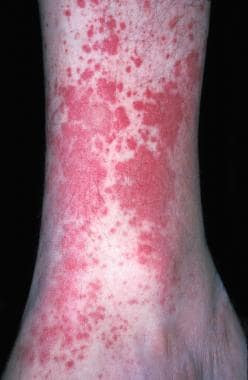
Typically, hypersensitivity vasculitis is an acute condition that affects the smaller blood vessels, causing inflammation and redness of the skin when a triggering substance is encountered. Raised red or purple spots, which can be felt on the skin, are common signs. Around ten percent of hypersensitivity vasculitis cases may become chronic or recur. This condition generally occurs in adults, with cases being rare among children.
Causes
Hypersensitivity vasculitis can be triggered by a range of factors, including:
- Allergic reactions to medications such as:
- Antibiotics (particularly penicillin)
- Nonsteroidal anti-inflammatory drugs (NSAIDs) that help reduce pain and inflammation
- Diuretics, which increase urine production
-
Allergic reactions to foreign substances or allergens
-
Reactions to infections
-
Autoimmune diseases, where the body's immune system mistakenly attacks its own tissues, such as:
- Systemic lupus erythematosus (SLE), which can lead to widespread inflammation and damage to organs
- Rheumatoid arthritis, which causes joint inflammation and swelling
- Sjögren's syndrome, which causes inflammation throughout the body, accompanied by dryness in the salivary and tear glands
- Inflammatory bowel disease
- Cancer
- In many cases, the exact cause of hypersensitivity vasculitis is unknown (idiopathic).
Hypersensitivity vasculitis is believed to occur due to an allergic response triggered by the accumulation of "immune complexes." These complexes form when antibodies bind to foreign substances in the bloodstream and then get deposited in the blood vessels. The resulting inflammatory response affects the structure of the surrounding blood vessels, causing symptoms.
Risk Factor
Several factors may increase the likelihood of developing an allergic reaction that leads to hypersensitivity vasculitis, including:
-
Age: The condition is most common in individuals older than 16 years of age.
-
Medication reactions: Some medications commonly associated with hypersensitivity vasculitis include:
-
Antibiotics such as penicillin and sulfa drugs
-
Certain blood pressure medications, like diuretics
-
Phenytoin, an anti-seizure medication
-
Allopurinol, which lowers uric acid levels
-
-
Chronic bacterial or viral infections, such as:
-
HIV
-
Hepatitis B
-
Hepatitis C
-
Upper respiratory tract infections, especially those caused by beta-hemolytic streptococcal bacteria
-
-
Autoimmune disorders, which involve the immune system attacking the body’s own cells.
-
Other inflammatory diseases, such as:
-
Inflammatory bowel disease
-
Ulcerative colitis
-
Crohn’s colitis
-
Certain cancers like leukemia
-
-
Food or food additives, which can trigger allergic reactions that lead to vasculitis.
Symptoms
When hypersensitivity vasculitis is triggered by a drug reaction, symptoms generally appear within seven to ten days after exposure to the medication. In some cases, symptoms can develop even earlier, sometimes as soon as two days after taking certain drugs. Possible symptoms of hypersensitivity vasculitis include:
-
The appearance of "purpura," which are raised spots that may appear purple or red on the skin.
-
These spots typically show up on the legs, buttocks, and chest.
-
Development of watery bumps (blisters) or hives on the skin, which may last for over 24 hours.
-
Open sores with dead tissue (necrotic ulcers).
-
Joint pain.
-
Swollen lymph nodes (glands that help fight bacteria in the bloodstream).
-
Mild fever.
-
In rare cases, inflammation of the kidneys.
Diagnosis
To diagnose hypersensitivity vasculitis, your doctor will start by asking about your symptoms. The doctor will inquire about:
-
The onset of your symptoms
-
The location of the symptoms
-
Your complete medical history, including:
-
Any past illnesses
-
Previous allergies
-
Past medication use
-
Previous infections, etc.
-
Following this, the doctor will conduct a physical test. The doctor will examine the rash or spots on your skin and may gently press on the rash to check if the spots are palpable (feelable). To confirm the diagnosis of hypersensitivity vasculitis, your doctor may recommend further tests, such as:
-
Blood and urine tests to check for systemic disorders like systemic lupus erythematosus, dermatomyositis (a rare inflammatory condition causing muscle weakness and a characteristic rash), or hepatitis C. Common blood tests may include:
-
Complete blood count
-
Erythrocyte sedimentation rate
-
Chemistry panel with liver enzymes (to test liver function) and creatinine (for kidney function)
-
Antinuclear antibodies (ANA)
-
Rheumatoid factor
-
Antineutrophil cytoplasmic antibodies (ANCA)
-
Complement levels
-
Cryoglobulins
-
Tests for Hepatitis B and C
-
HIV tests
-
Urinalysis
-
-
A skin biopsy to assess inflammation in the small blood vessels.
Doctors typically use certain criteria to diagnose hypersensitivity vasculitis. If you meet at least three of the following five criteria established by the American College of Rheumatology, it is likely that you have the condition:
-
You are over 16 years old.
-
You have palpable purpura on your skin.
-
You have a skin rash made up of flat, raised spots.
-
You have a history of taking specific medications before the rash developed.
-
A biopsy of your skin rash shows white blood cells surrounding your blood vessels.
Management
Currently, there is no cure for hypersensitivity vasculitis. The primary goal of treatment is to alleviate symptoms. In mild cases, no specific treatment may be required.
If the condition is caused by a drug reaction, your doctor may recommend discontinuing the medication that triggered the reaction. However, it’s important not to stop taking any medication without consulting your doctor. Your symptoms should improve within a few weeks after stopping the triggering drug.
For managing symptoms, your doctor might prescribe a nonsteroidal anti-inflammatory drug (NSAID), such as ibuprofen, especially if joint pain is present. If NSAIDs do not relieve symptoms, corticosteroids, which suppress the immune system and reduce inflammation, may be prescribed. Corticosteroid use requires medical supervision due to potential side effects, particularly when used long-term. Side effects include weight gain, sudden mood changes, and acne.
In cases with severe symptoms or involvement of organs beyond the skin, hospitalization for more intensive treatment may be necessary.
Complications
Hypersensitivity vasculitis can lead to the following complications:
-
The formation of scar tissue due to inflammation, which may cause permanent damage to the blood vessels.
-
Inflammation affecting the kidneys or other organs, although this is rare.
Prevention
To reduce the risk of hypersensitivity vasculitis, it’s important to avoid medications that can cause allergic reactions. Additionally, managing other conditions that may contribute to blood vessel inflammation can help prevent the onset of this condition.
When to See a Doctor?
Seek medical attention if you develop a skin rash after taking medication or if you have other illnesses or conditions that may indicate hypersensitivity vasculitis.
Looking for more information about other diseases? Click here!
- dr Hanifa Rahma
Horowitz, DM. Hypersensitivity Vasculitis. (2021). Retrieved 18 April 2022, from https://medlineplus.gov/ency/article/000874.htm#
Vieugels, RA. Hypersensitivity Vasculitis. (2020). Retrieved 18 April 2022, from https://emedicine.medscape.com/article/1083719-overview
Watts, R. Hypersensitivity Vasculitis. (2016). Retrieved 18 April 2022, from https://www.vasculitis.org.uk/about-vasculitis/hypersensitivity-vasculitis
Wint, C. Hypersensitivity (Allergic) Vasculitis. (2018). Retrieved 18 April 2022, from https://www.healthline.com/health/allergic-vasculitis