
Definition
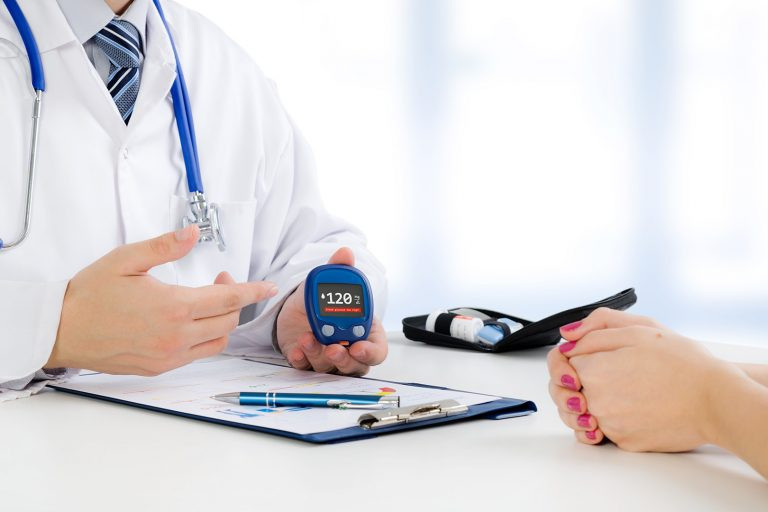
A random blood sugar test is a method of measuring blood glucose levels at any given time, without the need for fasting or specific timing requirements. Unlike fasting blood sugar tests, which require the patient to abstain from eating for 8-10 hours before testing, random blood sugar tests can be performed at any moment throughout the day. This test is crucial for detecting issues related to diabetes. It provides quick results, making it particularly useful in urgent situations to help diagnose patients who may be experiencing dangerous blood sugar levels.
Indication
-
Individuals suspected of having diabetes
-
Assessment of treatment effectiveness and adherence in diabetic patients
-
Patients who have lost consciousness in emergency settings (especially if they are believed to have dangerously high or low blood sugar levels)
-
Newborns whose mothers have diabetes
-
Routine health assessments or medical evaluations
Contraindication
There are no specific contraindications associated with random blood sugar test.
Preparation Before the Test
No special preparation is needed prior to taking a random blood sugar test.
Test Procedure
A blood sample for a random blood sugar test is obtained from the plasma. The test can be performed using either a portable blood sugar meter or a laboratory-based machine.
Peripheral Blood Sugar Meter
The portable device, commonly known as a glucometer, is used to measure blood glucose levels from small blood vessels near the skin's surface.
- A lancet needle is employed to draw a small amount of blood from a fingertip after cleaning the area with 70% alcohol and waiting for it to dry.
- If alcohol is still wet on the skin, it may interfere with the results.
- Once the finger is punctured and a drop of blood appears, a blood sugar test strip that is already inserted into the glucometer is placed onto the blood drop.
- After a few seconds, the device will display the blood sugar level on its screen.
Blood Analysis Machine
This type of blood sugar test is typically conducted in laboratories. Random blood sugar tests using blood analysis machines are often part of a broader range of blood tests, such as routine blood checks and blood sugar profiles.
- Before the blood is drawn, the area where the needle will be inserted is sterilized.
- Blood is then extracted from a vein and placed into a test tube.
- The results are typically available within minutes to hours, depending on the machine used, and are delivered in written form.
Normal and Abnormal Values
The following values indicate the typical ranges for random blood sugar test results:
|
Value (mg/dL) |
Interpretation |
|
<54 |
Severe hypoglycemia |
|
54-69 |
Hypoglycemia |
|
70-139 |
Normal |
|
139-199 |
Pre-diabetes * |
|
>200 |
Hyperglycemia |
|
>300 |
Hyperglycemic Crisis |
*For individuals who have not been diagnosed with diabetes.
Results and Recommendations (Follow-up Tests)
70-139 mg/dL
When a random blood sugar test yields a result between 70 and 139 mg/dL, the blood sugar level is considered normal. It is important to note that this range does not apply to fasting blood sugar tests. If you are at high risk for diabetes but do not exhibit classic symptoms—such as excessive hunger (polyphagia), frequent thirst (polydipsia), frequent urination (polyuria), or unexplained weight loss—you may want to repeat the test after three years. For those diagnosed with prediabetes but without any obvious symptoms of diabetes, it is recommended to retest after one year.
If you have diabetes and your random blood sugar test results show a range of 70-139 mg/dL, it does not automatically indicate that your treatment plan is being followed correctly. To assess the effectiveness of diabetes management and ensure the patient is maintaining proper blood sugar control, a more detailed blood sugar profile is required. This includes the random blood sugar test, but also fasting blood sugar, postprandial blood sugar (two hours after meals), and HbA1c levels. These tests together provide a comprehensive evaluation of diabetes therapy.
54-69 mg/dL
If your random blood sugar results fall between 54 and 69 mg/dL, it signifies that your blood sugar is low, a condition known as hypoglycemia. Symptoms commonly include headaches, confusion, and hunger. In this case, it is recommended to consume a source of sugar, such as warm sweet tea or syrup water. After 20 minutes, the blood sugar should be rechecked.
140-199 mg/dL
If the test results indicate a range of 140-199 mg/dL and you haven't been diagnosed with diabetes, it suggests you are in a state of prediabetes. Other factors, such as the use of steroid medications, can also elevate blood sugar levels. To further evaluate your condition, you will likely be advised to undergo additional tests, including fasting blood sugar (FBS), postprandial blood sugar (FBS), oral glucose tolerance test (OGTT), or even HbA1c levels.
200 mg/dL or more
When the blood sugar test shows results of 200 mg/dL or higher, this indicates hyperglycemia and a diagnosis of diabetes. It is important to note that high blood sugar levels can also occur as a side effect of steroid medication. It is crucial to consult with your doctor regarding the test results to confirm the diagnosis and discuss treatment options.
Emergency State
If a patient presents with a medical emergency, such as a decrease in consciousness or difficulty breathing, and no family members are present to provide information, a random blood sugar test is vital to determine if blood sugar levels are contributing to or worsening the condition. In emergencies, extreme blood sugar readings may be found:
<54 mg/dL
When the random blood sugar test shows a result of less than 54 mg/dL, it indicates severe hypoglycemia. This often occurs when a patient skips meals or takes diabetes medication without eating. The patient may experience confusion or even lose consciousness. If the patient is still able to swallow, immediately provide sugar water, warm sweet tea, or syrup water and take them to the nearest emergency room for further care.
300 mg/dL or more
If the random blood sugar test results show a level of 300 mg/dL or higher, especially if accompanied by symptoms like shortness of breath, confusion, or loss of consciousness, it may indicate a hyperglycemic crisis. This situation requires immediate attention in the emergency room, where the doctor will further evaluate the possibility of acidosis (increased blood acidity). This is typically a complication of uncontrolled diabetes.
Consult the Right Doctor
The results from a random blood sugar test can be discussed with a general practitioner, who may recommend further tests or begin treatment based on the findings. Alternatively, for a more specialized evaluation of diabetes, consulting an internist or endocrinology expert would be beneficial to discuss the management and treatment of your condition.
Looking for more information about laboratory, radiology, and other examination results? Click here!
- dr Hanifa Rahma
Perkumpulan Endokrinologi Indonesia. Pedoman Pengelolaan dan Pencegahan Diabetes Melitus Tipe 2 di Indonesia. PB Perkeni. 2021
CDC. Diabetes Test. 2021 August. https://www.cdc.gov/diabetes/basics/getting-tested.html
Barrell A, Prelipcean M. What is a random glucose test?. Medical News Today. 2019 March. https://www.medicalnewstoday.com/articles/323022