
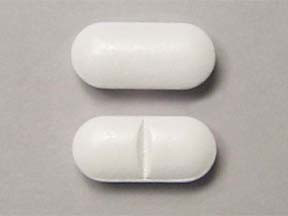

Other Brands/Names
Nirmadil, Plendil.
How It Works
Felodipine is an antihypertensive (blood pressure–lowering) medicine in the calcium channel blocker (CCB) class. It limits calcium entry through voltage-gated calcium channels in vascular smooth muscle, preventing contraction and narrowing of blood vessels. This vasodilation relaxes the vessel walls and helps decrease blood pressure.
Felodipine can also improve oxygen delivery to the heart muscle in vasospastic angina, a condition in which sudden coronary artery spasm causes chest pain.
Indications
Felodipine is commonly prescribed for:
-
Hypertension (mild to severe).
-
High blood pressure accompanied by angina pectoris due to coronary artery disease.
Contraindication
Felodipine should not be used in patients with:
-
Worsening heart failure that limits proper cardiac function.
-
Acute myocardial infarction.
-
Significant heart valve diseases.
-
Pregnancy.
Side Effects
-
Rapid heartbeat
-
Nausea
-
Abdominal pain
-
Vomiting
-
Fatigue
-
Headache
-
Dizziness
-
Increased liver enzyme levels
-
Low blood pressure
-
Fainting
-
Chest pain
Types
This medicine is available as 5 mg tablets.
Dosage
Chest pain (angina pectoris)
For adults, the initial dose can be started at 5 mg once daily. If it is deemed necessary, the dosage can be increased to 10 mg once daily. Meanwhile for elderly, the initial dose can be started at 2.5 mg once daily.
High blood pressure
For adults, the initial dose can be started at 5 mg once daily. The dosage can be adjusted upward based on patient's clinical response. Meanwhile for elderly, the initial dose can be started at 2.5 mg once daily.
Safety
Felodipine is classified as FDA Category C medicine in pregnancy. Animal studies indicate there are potential fetal risks, while adequate human datas are still lacking.
It is unknown whether felodipine is excreted in human milk; the drug is recommended to not be taken during breastfeeding.
Drug Interactions
- Increased felodipine concentrations (higher risks of side-effects occurence) with:
-
Cimetidine (gastric acid medicine)
-
Erythromycin (antibiotic)
-
Itraconazole (antifungal)
-
Ritonavir (antiviral)
-
- Decreased felodipine concentrations (reduced effectiveness) with:
-
Phenytoin or carbamazepine (anticonvulsants)
-
Rifampicin (antituberculosis agent)
-
Efavirenz (antiretroviral)
-
Looking for more information about other drugs? Click here!
- dr Hanifa Rahma
Pusat Informasi Obat Nasional. (2022).Monografi- felodipin. Retrieved 16 September 2022, from https://pionas.pom.go.id/monografi/felodipin.
MIMS Indonesia. (2022). Felodipine: Indication, Dosage, Side Effect, Precaution. Retrieved 16 September 2022, from https://www.mims.com/indonesia/drug/info/felodipine?mtype=generic.
National Center for Biotechnology Information (2022). PubChem Compound Summary for CID 3333, Felodipine. Retrieved 16 september 2022 from https://pubchem.ncbi.nlm.nih.gov/compound/Felodipine.
FDA/CEDR resources page. Food and Drug Administration Web site. https://www.accessdata.fda.gov/drugsatfda_docs/label/2012/019834s025lbl.pdf. Accessed 16 September 2022.





