

Other Brands/Names
The trademarks of this drug are Riklona 2 and Rivotril.
How It Works
Clonazepam is a high-potency benzodiazepine that calms the brain and nerves by reducing abnormal or excessive electrical activity in the central nervous system. Through these actions, it provides anticonvulsant effects and helps lessen anxiety symptoms.
Indications
This medicine is used to manage the following conditions:
- Seizures and epilepsy
- Panic disorder
- Insomnia
- REM sleep behavior disorder
- Restless legs syndrome (a strong urge to move the legs, especially at night)
Contraindication
Do not use clonazepam in patients with any of the following:
- Closed-angle glaucoma
- Severe pulmonary insufficiency (inadequate oxygen intake or carbon dioxide removal)
- Sleep apnea (brief pauses in breathing during sleep)
- Myasthenia gravis (muscle weakness due to nerve–muscle transmission problems)
- Coma
- Liver disorders
- Known allergy to clonazepam
- History of drug or alcohol abuse
Side Effects
The common side effects of clonazepam include:
- Fatigue and lethargy
- Drowsiness
- Poor coordination
- Balance problems
- Dizziness
- Blurred vision
- Irritability
- Increased saliva production
- Decreased motivation
Rare side effects can occur; contact your doctor if you notice:
- Paradoxical reactions (euphoria, irritability, impulsive behavior)
- Depression
- Suicidal thoughts
- Symptoms of psychosis (hallucinations, delusions)
- Urinary incontinence (trouble holding urine)
- Sexual dysfunction
Types
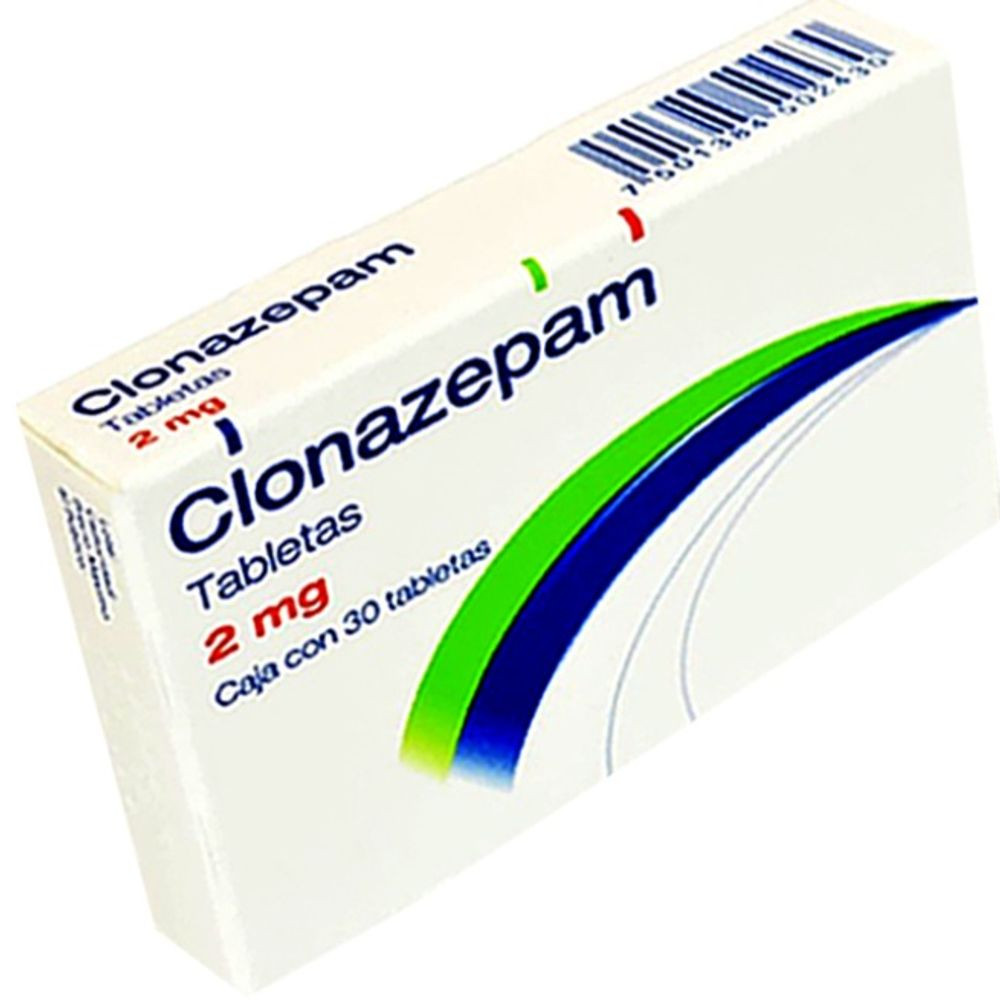
Film-coated tablet 2 mg.
Dosage
Epilepsy
- Adults
- Initial dose: 1 mg daily at night for 4 days.
- Titrate gradually over 2–4 weeks to a daily dose of 4–8 mg.
- Maximum dose: 20 mg per day.
- Elderly
- Start at 0.5 mg daily.
- Increase slowly over 2–4 weeks to a maintenance range of 4–8 mg daily, based on response.
- Children < 10 years old or body weight <30 kg
- Initial dose: 0.01–0.03 mg/kg/day in 2–3 divided doses.
- Increase every 3 days until seizures are controlled.
- Maintenance dose: 0.1–0.2 mg/kg/day in 3 divided doses.
- Maximum dose: 0.2 mg/kg/day.
Panic disorder
- Adults
- Initial dose: 0.25 mg daily.
- May increase to 1 mg daily after 3 days, according to response.
- Maximum dose: 4 mg daily.
- Elderly
- Begin with a low dose and monitor clinical response closely.
Safety
Pregnancy category D: evidence shows risk to the human fetus. Use only if potential benefits outweigh potential risks. Clonazepam is excreted into breast milk; avoid use while breastfeeding or discuss alternatives with your clinician.
Drug Interactions
-
The risk of central nervous system depression increases with concurrent use of:
-
Other anticonvulsants
-
Antidepressants (tricyclics, MAOIs), barbiturates
-
Antiallergic medicines
-
Antipsychotics
-
Anesthetics
-
Anxiolytics
-
-
Phenytoin blood levels may decrease when combined with clonazepam.
-
Cimetidine (for stomach acid) and fluconazole (antifungal) can interfere with clonazepam metabolism.
Looking for more information about other drugs? Click here!
- dr Hanifa Rahma
Basit, H., & Kahwaji, CH. (2022). Clonazepam (p. A single page). StatPearls Publishing.
Clonazepam – Mims Indonesia. (2022). Retrieved 2 July 2022, from https://www.mims.com/indonesia/drug/info/clonazepam?mtype=generic
Clonazepam – MedlinePlus. (2022). Retrieved 2 July 2022, from https://medlineplus.gov/druginfo/meds/a682279.html
Clonazepam-Uses, Side Effects and More – WebMD. (2022). Retrieved 2 July 2022, from https://www.webmd.com/drugs/2/drug-14403-6006/clonazepam-oral/clonazepam-oral/details





