
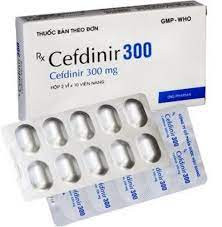

Other Brands/Names
Nircef.
How it Works
Cefdinir is a cephalosporin antibiotic. It works by killing the bacteria responsible for causing infections.
Indications
Cefdinir is prescribed to treat certain bacterial infections, including respiratory tract infections (such as bronchitis and pneumonia), skin infections, ear infections, sinusitis (inflammation of the sinuses, the small air-filled cavities in the facial bones), throat infections and tonsillitis (inflammation of the tonsils).
Contraindications
Cefdinir should not be used by individuals with a history of allergy to cefdinir or other cephalosporin antibiotics.
Side Effects
- Common side effects may include diarrhea, headache, or nausea. If these symptoms persist or worsen, inform your doctor immediately.
-
Seek medical attention if you experience serious side effects, such as:
-
Signs of liver disease (e.g., persistent nausea/vomiting, loss of appetite, stomach pain, yellowing of the skin/eyes, dark urine)
-
Fatigue
-
Signs of infection (e.g., persistent sore throat, fever)
-
Easy bruising/bleeding
-
Signs of kidney problems (e.g., changes in urine volume)
-
Mental or mood changes (e.g., confusion)
-
- Cefdinir can cause severe intestinal problems due to a bacteria called Clostridium difficile. This condition can occur during treatment or even weeks to months after the treatment ends. Seek immediate medical attention if you experience persistent diarrhea, abdominal cramps or pain, blood or mucus in your stool.
- Prolonged or repeated use of cefdinir may cause yeast infections in the mouth or genitals. If you notice white patches in your mouth, unusual vaginal discharge, or other signs of a yeast infection, contact your doctor.
Types
Cefdinir is available as 100 mg capsules.
Dosage
-
Adults: 600 mg per day, either as a single dose or in two divided doses, for 5-10 days.
-
Children ≥6 months: 14 mg/kg/day, either as a single dose or in two divided doses. The maximum daily dose is 600 mg.
-
For those with decreased kidney function (creatinine clearance <30 ml/minute), the dose is 300 mg once daily.
Safety
-
Cefdinir may reduce the effectiveness of live bacterial vaccines, such as the typhoid vaccine. Inform your healthcare provider before receiving any vaccinations.
-
This medication should only be used during pregnancy if clearly necessary. Discuss the risks and benefits with your doctor.
-
Cefdinir is not excreted in breast milk, but it’s still important to consult your doctor before breastfeeding.
Drug Interactions
-
Antacids or iron supplements may reduce the absorption of cefdinir.
-
Taking iron supplements may cause reddish stools.
-
Probenecid (a medication used to lower uric acid levels) can increase cefdinir blood levels.
Looking for more information about other drugs? Click here!
- dr Hanifa Rahma
BPOM RI. Cefdinir. cekbpom.pom.go.id. Retrieved 23 April 2022, from https://cekbpom.pom.go.id//home/produk/69bhknndt7v4km8sdutf8ashf5/all/row/10/page/1/order/4/DESC/search/5/Cefdinir
MIMS Indonesia. Cefdinir. Mims.com. Retrieved 23 April 2022, from https://www.mims.com/indonesia/drug/info/cefdinir?mtype=generic
Web MD. Cefdinir Capsule - Uses, Side Effects, and More. Webmd.com. Retrieved 23 April 2022, from https://www.webmd.com/drugs/2/drug-5543-4269/cefdinir-oral/cefdinir-oral/details
Medlineplus. Cefdinir. Medlineplus.gov. Retrieved 23 April 2022, from https://medlineplus.gov/druginfo/meds/a698001.html





