
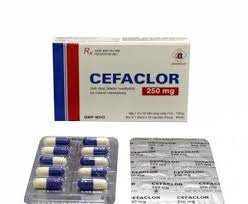

Other Brands/Names
Forifek, Forifek Forte, Capabiotic 500, Cloracef 250.
How It Works
Cefaclor is a type of cephalosporin antibiotic. It works by preventing the growth of bacteria that cause infections. By blocking the formation of bacterial cell walls, cefaclor leads to the destruction of the bacteria.
Indications
Cefaclor is prescribed to treat several bacterial infections, including:
-
Pneumonia and other lower respiratory tract (lung) infections
-
Skin infections
-
Ear infections
-
Throat infections
-
Urinary tract infections
Contraindications
This medication should not be used by individuals who are allergic to cefaclor or other cephalosporin antibiotics.
Side Effects
- Common side effects include abdominal pain, headaches, nausea, vomiting, and diarrhea.
- Contact your doctor immediately if you experience any serious side effects, such as:
- Abdominal pain
-
Persistent nausea or vomiting
-
Yellowing of the skin or eyes
-
Dark or altered urine
-
Unusual joint pain
-
Signs of an ongoing infection (like a sore throat or fever that doesn’t subside)
-
Unexplained bruising or bleeding
-
Mental or mood changes (such as confusion)
- This medication can also cause a severe intestinal issue due to a bacterium called Clostridium difficile, with symptoms like:
- Persistent diarrhea
- Abdominal pains/cramps
- Bloody stools or mucous found in stools
- Long-term or repeated use of cefaclor may result in a yeast infection in the mouth or vagina.
Types
Cefaclor is available in 500 mg capsules, 500 mg caplets, and 250 mg/5 ml syrup.
Dosage
-
Adults: 250-500 mg every 8 hours (three times a day), with a maximum dose of 4 grams per day.
-
Children (over 1 month old): 20-40 mg/kg/day, divided into 2 or 3 doses, with a maximum dose of 0.75-1.5 grams per day.
Safety
Cefaclor may reduce the effectiveness of live bacterial vaccines (such as the typhoid or typhus vaccine). Make sure to inform your healthcare provider if you're taking cefaclor before receiving any vaccinations or immunizations.
During pregnancy, this medication should be used only when necessary. It is also excreted in breast milk, so consult your doctor before breastfeeding.
Drug Interactions
-
When it is taken with aminoglycoside antibiotics, cefaclor can increase the risk of kidney damage.
-
Cefaclor may reduce the effectiveness of the BCG vaccine (for tuberculosis) and the typhoid vaccine.
-
Probenecid (a medication used to lower uric acid) can slow down the elimination of cefaclor from the body.
Want to know information about other drugs? Check here, yes!
- dr Hanifa Rahma
BPOM RI. Cefaclor. cekbpom.pom.go.id. Retrieved 17 April 2022, from https://cekbpom.pom.go.id//home/produk/69bhknndt7v4km8sdutf8ashf5/all/row/10/page/1/order/4/DESC/search/5/Cefaclor
MIMS Indonesia. Cefaclor. Mims.com. Retrieved 17 April 2022, from https://www.mims.com/indonesia/drug/info/cefaclor?mtype=generic
Web MD. Cefaclor - Uses, Side Effects, and More. Webmd.com. Retrieved 17 April 2022, from https://www.webmd.com/drugs/2/drug-471-385/cefaclor-oral/cefaclor-oral/details
Medlineplus. Cefaclor. Medlineplus.gov. Retrieved 17 April 2022, from https://medlineplus.gov/druginfo/meds/a682729.html