
Definition
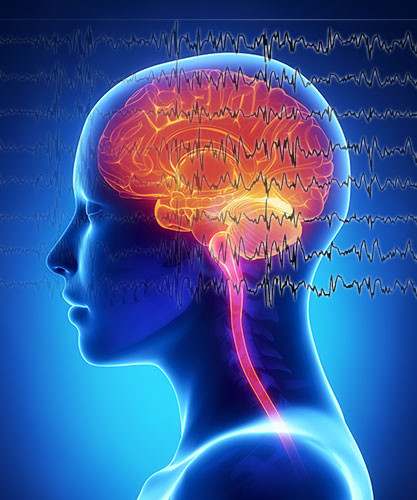
A seizure is a sudden, uncontrolled electrical disturbance in the brain. This electrical disturbance can cause changes in behavior, movements, feelings, and consciousness. The duration of a seizure can vary, from a few seconds to more than 5 minutes, but typically lasts around 30 seconds to 2 minutes. Seizures can occur once in a lifetime or can be recurrent. If seizures occur at least twice with a minimum interval of 24 hours without any clear cause, they may be classified as epilepsy.
Causes
Seizures can occur with or without triggers. Triggers can include electrolyte imbalances (ion balance in the body), toxins, brain injuries, infections, vascular abnormalities, tumors, and more. Electrolyte imbalances that can trigger seizures include low blood sugar levels and issues with sodium, calcium, and other body ions. Toxins that can cause seizures may come from the use of drugs such as antidepressants. Additionally, if someone with a history of substance abuse stops suddenly, seizures can occur. Stopping substances related to seizures includes alcohol, benzodiazepines, etc.
Aside from substance-related disorders, infections can also cause seizures. Infections related to seizures usually affect the central nervous system, such as the brain or spinal cord. However, infections causing a systemic overreaction (sepsis) can also lead to seizures, regardless of their origin.
Brain injuries that can cause seizures include trauma or any condition that deprives the brain of oxygen. Pressure on the brain due to tumors or bleeding can also result in seizures. Inflammation in the brain, whether due to infection or other causes, can be a cause of seizures. Lack of sleep can also lead to seizures.
In young children, fever can trigger seizures, known as febrile seizures. However, it does not always occur with fever and typically happens only when the body temperature exceeds 39 degrees Celsius in children aged 6 months to 5 years. Seizures occurring at temperatures below 39 degrees Celsius or outside this age range should be considered for other factors.
Risk Factor
Everyone has a risk of experiencing seizures in their lifetime. This risk is related to various factors, such as medications, genetic factors, electrolyte imbalances, sleep patterns, infections, brain inflammation, and brain injuries. Birth history can also affect the occurrence of seizures; for example, premature babies are more prone to epilepsy. Epilepsy is more common in children and individuals over 50 years old. In the elderly, seizures are often caused by cerebrovascular diseases, which are brain conditions related to blood vessel damage, such as strokes.
Symptoms
Seizure symptoms can vary depending on the location of the electrical disturbance in the brain. Symptoms may include sudden confusion, staring spells, whole-body jerking, loss of consciousness, and feelings of fear, anxiety, or déjà vu (feeling of familiarity). Doctors typically categorize seizures into two main types: generalized and focal seizures.
Generalized seizures involve the entire brain. Types of generalized seizures include:
- Absence seizures. Characterized by staring spells with minor movements such as blinking or lip-smacking. These typically last 5-10 seconds but can occur multiple times a day. If they occur in children, they often disrupt school performance.
- Tonic seizures. Marked by stiffening of the whole body, especially the back, arms, and legs, causing loss of consciousness and falling.
- Atonic seizures. Contrary to tonic seizures, these involve sudden muscle weakness, loss of consciousness, and possible falling.
- Clonic seizures. Characterized by rhythmic jerking, especially in the neck, face, and arms.
- Myoclonic seizures. Involving sudden brief jerks or twitches of the arms and legs without loss of consciousness.
- Tonic-clonic seizures. The most alarming type involves loss of consciousness, stiffening, and jerking, often accompanied by urination or tongue biting, lasting several minutes.
Focal seizures involve only part of the brain. Types of focal seizures include:
- Focal seizures with impaired awareness. The person may engage in repetitive behaviors like hand rubbing, lip-smacking, speaking the same word repeatedly, or walking in circles without awareness or control over these actions.
- Focal seizures without impaired awareness. These may involve sudden emotional changes, sensory disturbances such as altered smell or hearing, speech difficulties, jerking of one body part, tingling sensations, or visual disturbances.
Diagnosis
Seizure diagnosis involves asking about the occurrence of seizures and conducting several related examinations. Doctors may inquire about medical history, drug use, history of injuries, and substance abuse as risk factors for seizures. Additionally, it is crucial to understand the level of consciousness during the seizure to determine the type.
Neurological examinations are typically performed to detect any nerve abnormalities. Patients may be asked to perform various movements to test nerve function. Laboratory tests for electrolytes and blood sugar levels may be conducted. If a pregnant woman over 20 weeks is being evaluated, blood pressure, urine protein, blood, and liver function tests may be performed to check for HELLP syndrome (hemolysis, elevated liver enzymes, low platelets).
If brain compression issues are suspected, such as from injury, tumors, or stroke, brain imaging tests like CT scans or MRI may be conducted.
For suspected epilepsy, an electroencephalography (EEG) test may be performed to examine brain electrical activity.
Management
Seizure management is highly dependent on the cause. If seizures are due to electrolyte imbalances, treatment aims to correct the electrolyte levels in the body. If seizures are suspected to be drug-related, doctors will further investigate the medication use before providing appropriate therapy.
If seizures occur without any trigger, doctors may consider prescribing anti-seizure medications. If structural brain issues are found, surgical intervention may be recommended. Electrical stimulation of the brain may also be employed to correct brain wave activity.
Steps to take if someone else is having a seizure:
- Ensure the environment is safe for the person to lie down, and remove any dangerous objects
- Stay calm and call for medical help immediately
- Lay the person on their side
- Place a pillow or soft object under their head
- Loosen any tight clothing
- Do not put anything in the person’s mouth
- Stay with the person until medical help arrives and observe the seizure's characteristics (jerking, stiffness, or weakness), whether it affects the whole body or part of it, and the person’s consciousness
- Note the duration and frequency of the seizures
Complications
Seizure complications can include injuries. During a seizure, the body is highly prone to injury from falls or biting the tongue. Without proper precautions, foreign objects can enter the airway, posing a life-threatening risk. Seizures occurring while swimming or bathing can lead to drowning. Seizures while driving increase the risk of traffic accidents. During pregnancy, seizures can threaten the lives of both the mother and baby. Additionally, seizures can deprive the brain of oxygen, leading to potential brain cell damage. Emotional disturbances can also occur as a complication of seizures.
Prevention
If you have had seizures and are prescribed anti-seizure medications, take them as directed by your doctor. If you experience side effects from these medications, consult your doctor. Preventing seizures involves getting enough sleep each night, engaging in regular physical activity to maintain overall fitness, and avoiding illicit substances and smoking.
When to See a Doctor?
Seek immediate medical attention if:
- The seizure lasts more than five minutes
- Consciousness or breathing does not return after the seizure
- A second seizure follows the first one
- The person has a high fever above 39 degrees Celsius
- The person is pregnant and/or has diabetes
- The person sustains an injury during the seizure
Looking for more information about other diseases? Click here!
- dr. Alvidiani Agustina Damanik
Cassoobhoy, A. (2020). The Basics of Seizures. Retrieved 28 November 2021, from https://www.webmd.com/epilepsy/understanding-seizures-basics
Huff, J., & Murr, N. (2021). Seizure. Retrieved 28 November 2021, from https://www.ncbi.nlm.nih.gov/books/NBK430765/
Seizures - Symptoms and causes. (2021). Retrieved 28 November 2021, from https://www.mayoclinic.org/diseases-conditions/seizure/symptoms-causes/syc-20365711





