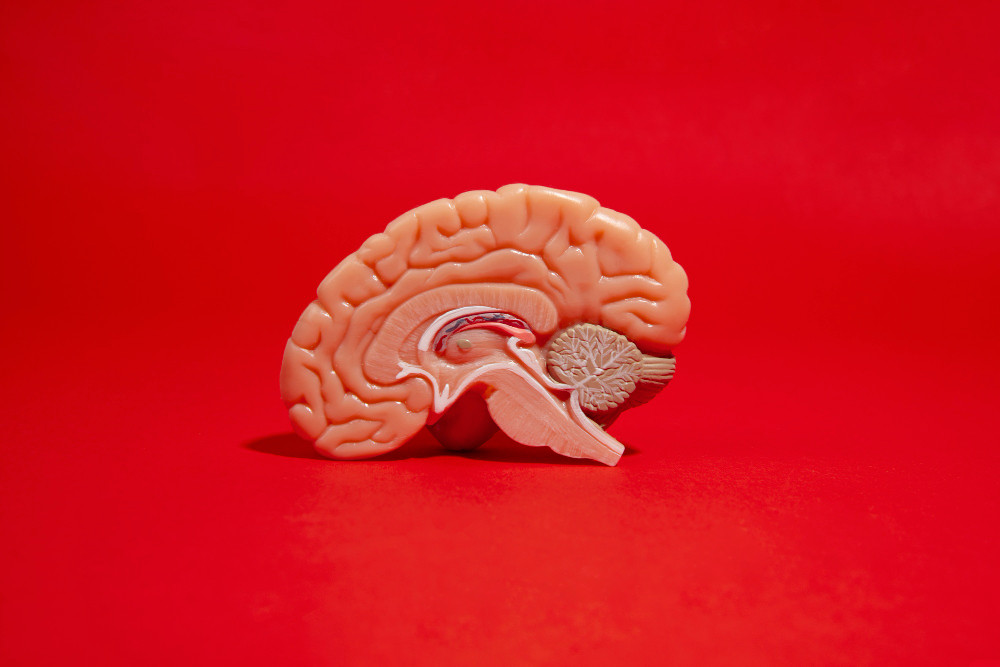

Musik tak bisa lepas dari kehidupan kita sehari-hari. Bagi sebagian orang, mendengarkan musik dapat membuat perasaan lebih tenang dan bahagia. Fenomena ini kemudian menarik perhatian para peneliti untuk mengetahui hubungan antara musik dengan kinerja otak manusia. Sejumlah penelitian mengungkapkan bahwa musik dapat memberikan stimulus positif bagi kinerja otak manusia. Seperti apa?
Manfaat Mendengarkan Musik Bagi Otak
Mendengarkan musik bukan hanya menghibur namun juga bermanfaat bagi kesehatan. Dikutip dari Hopkins Medicine, mendengarkan musik dapat diibaratkan olahraga bagi otak. Jika Anda ingin menjaga otak tetap sehat hingga usia lanjut, maka para ahli menyarankan Anda untuk mendengarkan dan bermain musik. Beberapa manfaat mendengarkan musik untuk otak antara lain:
1. Membantu Meningkatkan Daya Ingat
Dilansir dari WebMD, kegiatan yang melibatkan musik seperti mendengarkan atau memainkan alat musik dapat meningkatkan daya ingat. Kegiatan sederhana seperti membaca not musik atau meletakkan jari di tuts piano juga dapat meningkatkan kapasitas memori Anda.
Tak hanya itu, bermain musik secara berkelompok seperti dalam orkestra atau marching band juga diketahui dapat meningkatkan kemampuan mengolah informasi yang akan bermanfaat bagi keterampilan belajar Anda dalam jangka panjang.
2. Melatih Anda Menjadi Lebih Cerdas
Dilansir dari Verywell Mind, sebuah penelitian mengungkapkan bahwa mendengarkan musik saat belajar dapat meningkatkan kemampuan kognitif pada orang dewasa. Oleh karena itu, jika Anda sedang bekerja dan merasa membutuhkan semangat, cobalah untuk bekerja sambil mendengarkan musik sesuai selera Anda.
Bukan hanya untuk orang dewasa, musik juga diyakini berpengaruh bagi kecerdasan anak-anak. Anak-anak yang belajar alat musik sejak kecil umumnya memiliki kecerdasan di bidang sains ketika dewasa. Selain itu, mereka juga memiliki daya ingat verbal yang lebih baik jika dibandingkan dengan mereka yang tidak bermain alat musik.
3. Meredakan Stres dan Depresi Serta Membuat Anda Lebih Bahagia
Sudah sejak lama musik diyakini dapat membantu mengurangi stres. Dalam sebuah penelitian, responden dibagi dalam 3 kelompok sebelum dihadapkan dengan hal yang memicu stres untuk kemudian dilakukan tes stres psikososial. Dalam hasil tes tersebut disebutkan bahwa orang yang mendengarkan musik di saat stres cenderung untuk pulih lebih cepat dibanding kelompok lainnya yang tidak mendapatkan stimulus audio.
Sama halnya dengan mendengarkan musik, kegiatan bernyanyi juga dapat menurunkan kadar kortisol dan melepaskan endorfin sehingga membuat seseorang merasa puas. Bernyanyi juga membantu melepaskan hormon oksitosin yang merupakan hormon bahagia sehingga membuat suasana hati Anda menjadi lebih baik.
Sebuah penelitian yang diakukan di Polandia menunjukkan bahwa kombinasi cognitive behavioral therapy dan terapi musik terbukti lebih efektif untuk mengatasi depresi dibanding cognitive behavioral therapy saja. Selain itu, penelitian lebih lanjut juga mengungkapkan bahwa terapi musik membantu mengurangi kondisi serius pada depresi pascapersalinan.
4. Mengurangi Rasa Sakit
Sejumlah penelitian menunjukkan bahwa musik juga dapat membantu mengatur rasa nyeri yang Anda rasakan. Sebuah studi yang dilakukan pada pasien dengan fibromyalgia menunjukkan bahwa orang yang mendengarkan musik selama satu jam setiap harinya mengalami pengurangan rasa sakit dan depresi dibandingkan dengan kelompok lainnya.
Pada penelitian lain yang dilakukan pada kelompok yang mendengarkan musik sebelum, selama dan sesudah operasi juga menunjukkan pengurangan rasa sakit dan kecemasan dibandingkan dengan kelompok yang tidak mendengarkan musik.
5. Meningkatkan kreativitas
Mendengarkan musik-musik baru terutama yang bernada bahagia dapat membantu melatih otak untuk terus bekerja dan meningkatkan kreativitas. Dilansir dari Medical News Today, mendengarkan musik dapat mendorong proses kreativitas terutama dalam hal mengolah informasi dan menghasilkannya menjadi sesuatu yang baru.
Mendengarkan musik terbukti dapat bermanfaat bagi otak dan kesehatan mental Anda. Namun hindari mendengarkan musik terlalu lama setiap harinya dalam volume kencang. Terbiasa mendengarkan suara keras dapat merusak telinga yang bersifat permanen.
Silakan kunjungi laman ini untuk mengetahui informasi menarik lainnya!
- dr Anita Larasati Priyono

Stanborough, R. (2020). The Benefit of Listening to Music. Available from: https://www.healthline.com/health/benefits-of-music
Govender, S. 5 Ways Music Helps the Mind. Available from: https://www.webmd.com/balance/features/5-ways-music-helps-the-mind
Cherry, K. (2019). How Listening to Music Can Have Psychological Benefits. Available from: https://www.verywellmind.com/surprising-psychological-benefits-of-music-4126866
Hopkins Medicine. Keep Your Brain Young with Music. Available from: https://www.hopkinsmedicine.org/health/wellness-and-prevention/keep-your-brain-young-with-music
Witusik, A., Pietras, T. (2019). Music Therapy as A Complementary Form of Therapy for Mental Disorders. Available from: https://pubmed.ncbi.nlm.nih.gov/31945027/
Newman, T. (2017). Need to Get Creative? Put on Happy Song. Available from: https://www.medicalnewstoday.com/articles/319311#Investigating-musics-impact-on-creativity