
Definisi
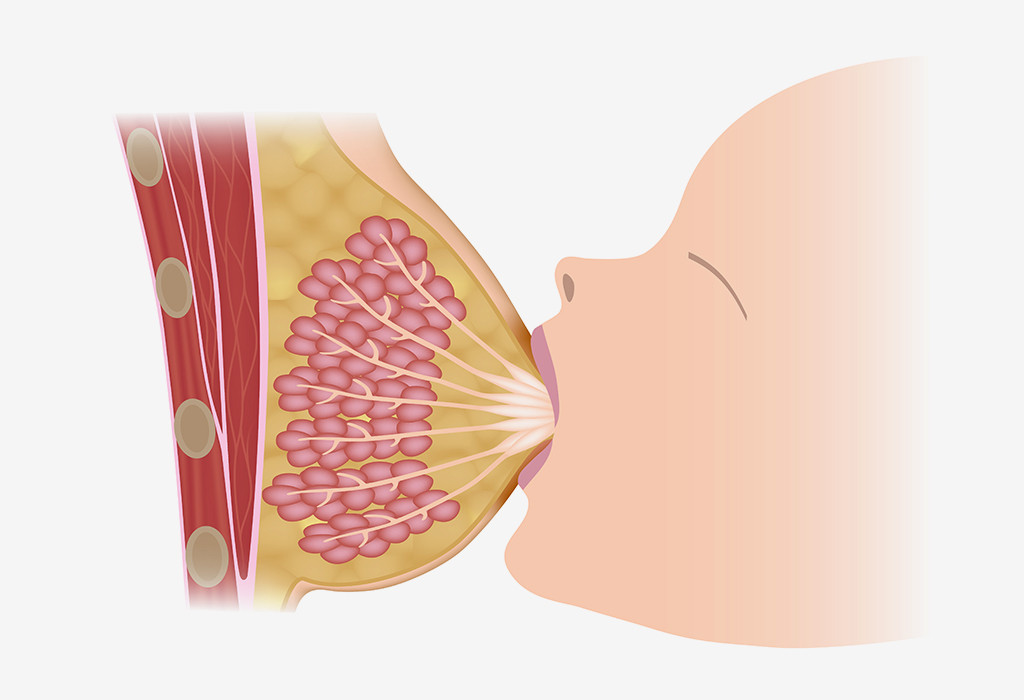
Refleks pengeluaran ASI adalah refleks normal sebagai respons dari hisapan bayi. Refleks pengeluaran ASI adalah refleks yang membuat ASI mengalir. Ketika bayi pertama menghisap, sebetulnya bayi tidak mendapatkan banyak ASI pada awalnya.
Hisapan bayi menstimulasi saraf-saraf kecil yang menyebabkan hormon prolaktin dan oksitosin dikeluarkan ke dalam darah. Prolaktin akan membantu memproduksi air susu, sedangkan oksitosin akan membuat payudara mengeluarkan ASI. ASI kemudian akan dialirkan melalui puting.
Kekuatan dan waktu terjadinya refleks pengeluaran ASI berbeda-beda pada tiap Ibu. Refleks pengeluaran ASI bisa terjadi ketika:
- Sebagai respon terhadap hisapan bayi pada puting
- Mendengar, melihat, atau memikirkan tentang bayi Ibu
- Menggunakan pompa ASI, memerah ASI dengan tangan atau memegang payudara atau puting Ibu
- Melihat foto bayi sendiri
- Mendengar tangisan bayi
- Beberapa waktu tidak menyusui dan payudara terlalu penuh
Refleks pengeluaran ASI juga dapat terjadi akibat stimulasi payudara yang lain, seperti saat distimulasi oleh pasangan.
Penyebab
Beberapa hal yang mungkin dapat menyebabkan gangguan refleks pengeluaran ASI:
- Konsumsi alkohol
- Kafein
- Suhu dingin
- Pernah operasi di daerah payudara
- Merokok
- Payudara yang keras, bengkak
- Luka pada puting
- Infeksi jamur
- Obat-obatan
Faktor Risiko
Refleks pengeluaran ASI perlu untuk dibangun dan dipertahankan untuk memastikan suplai ASI terpenuhi. Refleks ini tidak memerlukan perencanaan atau pemikiran, kecuali jika Ibu mengalami masalah pada menyusui. Refleks pengeluaran ASI juga dapat dipengaruhi oleh stres, sedih, marah, nyeri, dan kelelahan.
Tubuh akan menangkap kondisi ini sebagai tanda bahwa Ibu butuh menyusui bayi atau mengeluarkan ASI untuk meringankan tekanan. Stimulasi refleks pengeluaran ASI lebih sulit terjadi pada Ibu yang menggunakan pompa ASI atau tidak menyusui langsung.
Gejala
Refleks pengeluaran ASI biasanya terjadi setelah bayi sudah menghisap payudara selama sekitar 2 menit. Beberapa ibu dengan refleks yang sensitif dapat mengalirkan ASI-nya tepat sebelum atau tepat saat proses menyusui dimulai.
Setiap Ibu merasakan refleks pengeluaran ASI secara berbeda. Beberapa Ibu merasakan refleks pengeluaran ASI sebagai sensasi geli, penuh, atau pun hangat pada payudara. Beberapa Ibu yang lain mungkin tidak merasakan hal apa pun pada payudaranya.
Meski pun Ibu tidak merasakan refleks tersebut, Ibu akan menyadari adanya perubahan pola hisapan bayi ketika ASI mulai mengalir, dari hisapan kecil dan pendek menjadi hisapan yang lebih kuat dan pelan. Bila bayi menyusu lebih lama dan membutuhkan ASI lebih, bayi akan menyesuaikan hisapannya untuk menstimulasi aliran ASI lebih lagi.
Beberapa Ibu juga menyadari bahwa ketika menyusui atau memerah ASI dari satu payudara, ASI dapat menetes dari payudara sebelah.
Refleks pengeluaran ASI umumnya terjadi 2-3 kali setiap menyusui. Kebanyakan Ibu hanya merasakan sensasi pada refleks pertama. Refleks ini tidak selalu konsisten, terutama pada permulaan, namun setelah beberapa minggu menyusui atau memerah ASI secara rutin, hal ini akan menjadi respons otomatis.
Pada beberapa hari pertama setelah persalinan, lebih sulit untuk merasakan refleks ini karena ASI belum sepenuhnya terbentuk. Setelah ASI sudah terbentuk dan Ibu sudah menyusui hingga beberapa minggu, respons pengeluaran Ibu akan lebih teratur.
Gejala Gangguan Refleks Pengeluaran ASI
Gejala gangguan refleks pengeluaran ASI dapat berupa:
- Kelebihan ASI. Refleks pengeluaran ASI yang kuat sering disertai dengan produksi berlebihan ASI. Ketika refleks terjadi, Ibu dapat menyadari bayi batuk bahkan tersedak ASI. Bayi dapat menggigit untuk memperlambat aliran ASI. Ibu juga dapat mengeluarkan ASI ketika tidak menyusui atau mendapati bahwa bayi Ibu lebih sering menyusui namun dengan waktu yang singkat.
- Respons negatif Ibu. Pada beberapa Ibu, menyusui dapat menyebabkan respon yang negatif yang menyebabkan emosi negatif seperti rasa bersalah, cemas, depresi, dan sedih. Biasanya hal ini terjadi hanya ketika pengeluaran pertama dan beberapa menit pertama menyusui. Namun hal ini berbeda denagn depresi pasca-persalinan.
- Pengeluaran yang lemah. Ibu mungkin memiliki pengeluaran yang lemah jika bayi terlihat frustasi ketika menyusu. Bayi mungkin tidak mendapat ASI yang cukup, atau tidak mendapat ASI secepat yang diinginkan.
Diagnosa
Gangguan pada refleks pengeluaran ASI dapat didiagnosa pada ibu yang mengalami salah satu dari masalah pengeluaran baik saat menyusui mau pun saat tidak sedang menyusui. Dokter akan melakukan pemeriksaan untuk memastikan tidak ada penyebab lain yang dapat menyebabkan gejala yang serupa dengan gangguan refleks pengeluaran ASI.
Tata Laksana
Pengobatan dan terapi gangguan refleks pengeluaran ASI disesuaikan dengan gejala yang dialami masing ibu.
- Kelebihan ASI dapat ditangani dengan memerah ASI sebelum menyusui, sedikit bersandar, dan menyendawakan bayi setelah beberapa menit pertama menyusui. Selain itu, Ibu dapat menggunakan kain untuk menyerap ASI ketika pertama kali mengalir sehingga bayi tidak tersedak. Setelah beberapa menit aliran ASI melambat, Ibu dapat mencoba melekatkan bayi kembali. Ibu juga dapat memperlambat aliran ASI dengan menekan puting saat menyusui.
- Untuk mengurangi emosi negatif, cobalah untuk relaks. Tarik napas panjang dan pikirkan bayi, keluarkan semua stres yang ada
- Pengeluaran lemah dapat diatasi dengan menggunakan pompa ASI yang dapat membantu sesi menyusui yang kurang berhasil. Ketika memompa, lihatlah foto dan video bayi untuk membantu menstimulasi pengeluaran ASI. Sama seperti ketika Ibu menyusui, cobalah untuk relaks.
Tips Menyusui
Sebaiknya Ibu tetap menyusui dengan rutin. Beberapa tips yang dapat Ibu lakukan agar ASI lancar:
- Memberikan pijat pada payudara Ibu ketika merasakan sensasi pertama refleks pengeluaran ASI
- Menggunakan bantalan payudara
- Cobalah untuk relaks
- Mengurangi distraksi saat menyusui
- Fokus pada bayi Ibu
- Lakukan pijatan pada payudara secara rutin
- Berikan kompes hangat pada payudara Ibu
- Mandi air hangat
Tips bila Ibu memompa ASI:
- Lihatlah foto bayi sendiri
- Cium pakaian bayi
- Dengarkan rekaman suara bayi
- Menggunakan pakaian yang menyamarkan noda ASI
Bila ASI Ibu tidak mengalir, Ibu dapat menstimulasi puting. Cobalah untuk memijat payudara ke arah puting dengan lembut. Relaksasi dan pikirkan bayi.
Anda juga dapat menonton video edukasi mengenai tips mengatasi ASI yang kurang lancar
Komplikasi
Gangguan refleks pengeluaran ASI dapat menyebabkan masalah menyusui. Suplai ASI Ibu juga dapat berkurang jika bayi hanya mendapatkan sedikit ASI dari payudara Ibu pada setiap menyusui.
Bayi yang tidak mendapat cukup ASI saat menyusu juga dapat menjadi rewel, menggigit payudara Ibu, hingga tidak mau menyusu sama sekali.
Pada refleks yang terlalu kuat, ASI yang mengalir terlalu banyak dapat menyebabkan terlepasnya perlekatan bayi dan juga bayi tersedak. Bayi juga dapat menelan lebih banyak udara saat menelan ASI yang terlalu banyak dan cepat. Menelan udara dapat menyebabkan kembung dan rewel.
Pencegahan
Banyak hal yang dapat Ibu lakukan untuk mencegah terjadinya gangguan terkait refleks pengeluaran ASI, yaitu:
- Pastikan bayi melekat dengan baik pada payudara. Bayi yang melekat baik akan mengalirkan ASI dengan lebih baik.
- Susui bayi atau perah payudara pada lingkungan yang familiar dan nyaman
- Cobalah beberapa metode untuk membantu Ibu relaksasi seperti mendengarkan musik yang menenangkan, mandi air hangat atau kompres air hangat pada payudara, latihan pernapasan dalam dan lambat, atau pijatan pada leher dan bahu.
- Perah dan pijat payudara Ibu dengan tangan secara lembut sebelum memulai proses menyusui.
- Lihatlah dan pikirkanlah bayi.
- Jika Ibu terpisah jauh dari bayi, cobalah untuk melihat foto bayi.
Kapan Harus ke Dokter?
Jika Ibu terus mengalami masalah menyusui, maka sebaiknya Ibu berkonsultasi dengan konsultan laktasi atau dokter.
Mau tahu informasi seputar penyakit lainnya? Cek di sini, ya!
- dr Anita Larasati Priyono

Let-down reflex (2021) Pregnancy, Birth and Baby. Available at: https://www.pregnancybirthbaby.org.au/let-down-reflex
Breastmilk. every ounce counts. (no date) Breastmilk Counts. Available at: https://www.breastmilkcounts.com/breastfeeding-101/the-let-down/
What you should know about your let down reflex (2020) WebMD. WebMD. Available at: https://www.webmd.com/baby/what-is-the-let-down-reflex