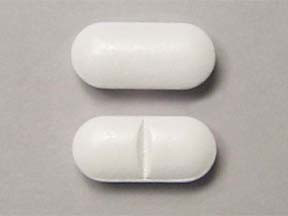
/Gabapentin.jpg "Gabapentin")

Brand/Nama Lain
Alpentin, Nepatic, Epiven, Neurontin, Gabapentin, Neurontin, Gabexal, Sipentin, Ganin.
Cara Kerja
Gabapentin adalah obat yang memiliki efek mirip atau agonis gamma-aminobutyric acid (GABA). Obat ini dapat digunakan untuk terapi epilepsi, serta memiliki efek mengurangi nyeri. Selain itu, obat ini dapat mencegah kematian saraf pada penyakit Amyotrophic Lateral Sclerosis (ALS).
Baca lebih lanjut Penyakit Amyotrophic Lateral Sclerosis (ALS).
Gabapentin berinteraksi dengan sel saraf yang sensitif terhadap kalsium, serta dapat masuk ke sel melalui membran lipid. Pada hewan percobaan, gabapentin memiliki efek penghambat kejang. Meski demikian, pada manusia, efek gabapentin sebagai obat kejang masih belum diketahui dengan pasti.
Indikasi
Gabapentin diindikasikan pada pasien dengan epilepsi, nyeri neuropatik, neuralgia pasca herpes.
Kontraindikasi
Gabapentin dikontraindikasikan pada pasien yang memiliki riwayat alergi atau hipersensitivitas pada obat ini.
Efek Samping
Efek samping dapat terjadi pada kondisi tertentu pada penggunaan gabapentin. Berikut ini merupakan efek samping yang dapat terjadi pada penggunaan gabapentin:
- anafilaksis,
- angioedema,
- ide dan perilaku bunuh diri,
- pankreatitis akut,
- timbulnya jenis kejang baru,
- peningkatan frekuensi kejang,
- pusing,
- mengantuk,
- kebingungan,
- gangguan mental,
- penyalahgunaan dan ketergantungan obat,
- gejala putus obat;
- reaksi neuropsikiatri (misalnya labilitas emosional, gangguan pikiran, hiperkinesia) pada anak-anak
Penggunaan gabapentin juga dapat menyebabkan gangguan pada beberapa organ penggunanya. Berikut ini gangguan yang dapat terjadi pada penggunaan gabapentin:
- Gangguan sistem darah dan limfatik: Leukopenia.
- Gangguan telinga dan sistem keseimbangan: Otitis media, vertigo.
- Gangguan mata: Gangguan penglihatan (misalnya ambliopia, diplopia).
- Gangguan gastrointestinal: Mual, muntah, diare, sakit perut, mulut atau tenggorokan kering, perut kembung, dispepsia, sembelit, kelainan gigi, radang gusi.
- Gangguan umum dan kondisi tempat pemberian: Demam, kelelahan, asthenia, nyeri, edema perifer, gaya berjalan abnormal, sindrom flu, patah tulang.
- Infeksi dan infestasi: Infeksi virus.
- Cedera, keracunan dan komplikasi prosedural: Cedera tidak disengaja.
- Gangguan metabolisme dan nutrisi: Anoreksia, nafsu makan meningkat.
- Gangguan muskuloskeletal dan jaringan ikat: Artralgia, mialgia, kedutan, nyeri punggung.
- Gangguan sistem saraf: Sakit kepala, ataksia, amnesia, disartria, sensasi abnormal (misalnya parestesia), tremor, koordinasi abnormal, nistagmus, refleks abnormal (misalnya meningkat, menurun, atau tidak ada), pemikiran abnormal.
- Gangguan kejiwaan: Kecemasan, depresi, insomnia, gugup.
- Gangguan ginjal dan saluran kemih: ISK.
- Gangguan sistem reproduksi dan payudara: Impotensi.
- Gangguan pernapasan, toraks, dan mediastinum: Pneumonia, infeksi saluran pernapasan, sesak napas, bronkitis, faringitis, batuk, rinitis.
- Gangguan kulit dan jaringan subkutan: Ruam, pruritus, jerawat, purpura, abrasi.
- Gangguan vaskular: Hipertensi, vasodilatasi.
Sediaan
Kapsul 100 mg, 300 mg
Dosis
Pengobatan epilepsi
Dewasa: 300 mg sekali sehari pada hari ke-1, 300 mg dua kali sehari pada hari ke-2, 300 mg tiga kali sehari pada hari ke-3. Tergantung pada respon pasien terhadap obat, dosis dapat ditingkatkan 300 mg setiap 2 sampai 3 hari. Secara umum, ambil 900 hingga 3.000 mg sehari dalam 3 dosis terbagi.
Anak 6 tahun: dosis awal 10-15 mg/kg. Dosis dapat ditingkatkan setiap 3 hari sampai dosis efektif tercapai. Dosis maksimum adalah 50 mg/kg berat badan.
Neuralgia pasca herpes
Dewasa: 300 mg sekali sehari pada hari ke-1, 300 mg setiap 12 jam pada hari ke-2, 300 mg setiap 8 jam pada hari ke-3. Dosis selanjutnya dapat ditingkatkan sesuai kebutuhan hingga 600 mg setiap 8 jam.
Keamanan
Ibu hamil:
Kategori C (Penelitian pada binatang percobaan memperlihatkan adanya efek samping terhadap janin, namun belum ada studi terkontrol pada wanita hamil). Obat ini hanya boleh digunakan apabila manfaat yang diharapkan lebih besar dari risiko.
Ibu menyusui :
Gabapentin dapat terserap kedalam ASI atau tidak. Obat ini tidak boleh digunakan tanpa konsultasi dan persetujuan dokter
Interaksi Obat
Obat ini dapat mengalami penurunan bioavabilitas jika digunakan dengan antasida dan menyebabkan depresi pernafasan dan sistem saraf pusat apabila digunakan dengan golongan CNS depressants (seperti opioid, benzodiazepine, antidepresan dan antihistamin).
Mau tahu informasi seputar obat-obatan lainnya? Cek di sini, ya!
- dr Ayu Munawaroh, MKK
Pusat Informasi Obat Nasional. (2022).Monografi- Gabapentin Retrieved 23 September 2022, from https://pionas.pom.go.id/monografi/gabapentin
MIMS Indonesia. (2022). Gabapentin: Indication, Dosage, Side Effect, Precaution. Retrieved 23 September 2022, from h https://www.mims.com/malaysia/drug/info/gabapentin?mtype=generic
National Center for Biotechnology Information (2022). PubChem Compound Summary for CID 3446, Gabapentin. Retrieved September 26, 2022 from https://pubchem.ncbi.nlm.nih.gov/compound/Gabapentin.
Clinical Key . (2022). Drug monograph- Gabapentin. Retrieved 23 September 2022, from https://www.clinicalkey.com/#!/content/drug_monograph/6-s2.0-271