Definition
A serum calcium test measures the amount of calcium present in the blood. As one of the essential electrolytes, calcium plays a vital role in ensuring that the nerves, muscles, and heart function optimally.
Calcium is a key mineral in the body. While approximately 1% of the calcium is found in the blood, the majority is stored in bones and teeth. Calcium in the blood exists in two forms: free calcium and bound calcium. Free calcium is unbound in the blood, while bound calcium is attached to proteins like albumin or other substances.
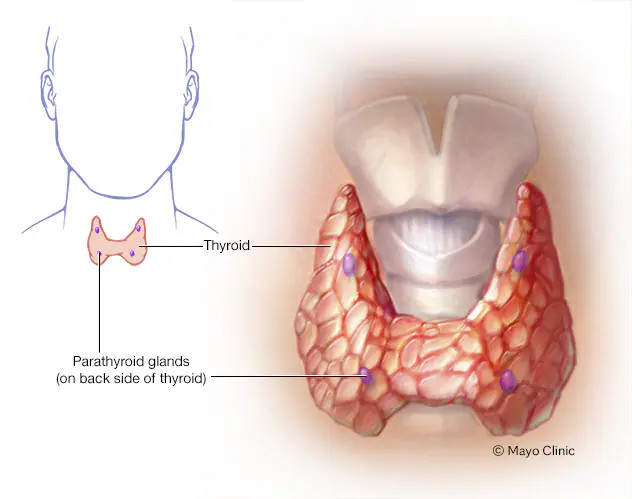
Abnormal calcium levels in the blood, either too high or too low, may indicate underlying health disorders, such as bone disease, thyroid or parathyroid issues, kidney disorders, and other conditions. One common issue caused by excessive calcium is kidney stones.
Indication
A serum calcium test is often performed during routine medical check-ups. It may also be requested by a doctor if there are concerns regarding abnormal calcium levels. Symptoms that may indicate high or low calcium levels include:
1. High Calcium Levels:
-
Constipation
-
Nausea, vomiting, and stomach pain
-
Loss of appetite
-
Increased urination frequency
-
Confusion
-
Increased thirst
2. Low Calcium Levels:
-
Dry skin, coarse hair, and brittle nails
-
Muscle cramps, spasms, or stiffness
-
Tingling sensations in the tongue, lips, fingers, and feet
-
Heart rhythm disorders (arrhythmia)
The doctor may also recommend this test to monitor conditions such as kidney disorders, thyroid or parathyroid dysfunction, malnutrition related to calcium absorption issues, and some types of cancer.
Contraindication
There are no specific contraindications for the serum calcium test.
Preparation Before the Test
No special preparation is required for a serum calcium test. However, if you are undergoing another test, you may be asked to fast (not eat) for several hours before the test. Certain medications can affect the accuracy of the test results, so it is important to inform your doctor about any medications you are taking. In general, your doctor may advise you to stop taking Vitamin D, antacids, and diuretics before the test to ensure more accurate results.
Test Procedure
The serum calcium test is straightforward. The laboratory staff will clean your arm with sterile alcohol and draw a small amount of blood from a vein in your arm using a sterile syringe. For infants, blood is typically drawn from the heel.
The collected blood will be placed into a tube and analyzed using a specialized machine. The entire procedure typically takes around 5 minutes, and you can resume your usual activities afterward.
The risks associated with this test are minimal. Some people may experience pain, dizziness, or bruising at the site where the blood was drawn, but these symptoms usually resolve quickly.
Normal and Abnormal Values
The normal range for calcium levels in the blood is 8.5 - 10.2 g/dL.
-
A result below 8.5 g/dL indicates that your calcium level is low.
-
A result above 10.2 g/dL indicates that your calcium level is high.
Results and Recommendations (Follow-up Tests)
Serum calcium test results can vary depending on your age, gender, medical history, and the testing method used by your laboratory. Based on the test results, here’s what you may need to consider:
Low Calcium Levels
Low serum calcium levels can indicate:
-
Low serum protein levels, which may be caused by liver disorders or malnutrition
-
Underactive parathyroid glands (hypoparathyroidism), where your parathyroid glands produce too little parathyroid hormone
-
Inadequate calcium intake from your diet
-
Vitamin D or magnesium deficiencies
-
Pancreatitis
-
Kidney disorders
Normal Calcium Levels
A serum calcium level within the normal range indicates that your body’s calcium balance is functioning properly. To maintain good health, continue consuming a balanced diet, stay physically active, and schedule regular health check-ups.
High Calcium Levels
High serum calcium levels can indicate:
-
Overactive parathyroid glands (hyperparathyroidism)
-
Certain types of cancer, especially cancers that spread to the bones
-
Bone disorders, such as Paget’s disease
-
Excessive Vitamin D intake over an extended period
If you have high serum calcium levels, it is essential to consult a doctor.
Consult the Right Doctor
If your serum calcium results are abnormal, you can consult a general practitioner for an appropriate diagnosis and treatment. If necessary, you may be referred to an internist for further evaluation. For pediatric patients, a pediatrician can provide more detailed guidance and therapy.
Looking for more information about laboratory, radiology, and other examination results? Click here!
- dr Hanifa Rahma
Calcium. (2021). Retrieved 04 August 2022, from https://testing.com/tests/calcium/
Calcium Blood Test. (2022). Retrieved 04 August 2022, from https://medlineplus.gov/lab-tests/calcium-blood-test/
Calcium Blood Test. (2021). Retrieved 04 August 2022, from https://my.clevelandclinic.org/health/diagnostics/22021-calcium-blood-test
Why Do I Need a Calcium Blood Test. (2021). Retrieved 04 August 2022, from https://www.webmd.com/a-to-z-guides/do-i-need-a-calcium-blood-test
What Is a Calcium Blodd Test?. (2022). Retrieved 04 August 2022, from https://www.verywellhealth.com/calcium-blood-test-procedure-4586354
Calcium Blood Test. (2020). Retrieved 04 August 2022, from https://www.healthdirect.gov.au/calcium-blood-test
Calcium (Blood). (2022). Retrieved 04 August 2022, from https://www.urmc.rochester.edu/encyclopedia/content.aspx?contenttypeid=167&contentid=calcium_blood
Calcium Test. (2022). Retrieved 04 August 2022, from https://www.uclahealth.org/medical-services/surgery/endocrine-surgery/patient-resources/patient-education/endocrine-surgery-encyclopedia/calcium-test
Calcium Blood Test. (2017). Retrieved 04 August 2022, from https://www.ucsfhealth.org/medical-tests/calcium-blood-test