
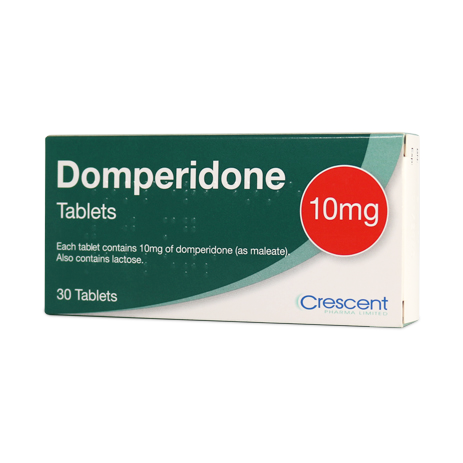

Other Brands/Names
Costil, Dometa, Gerdilium, Monell, Motilium, Tilidon, Vesperum, Vometa/Vometa FT, Vomistop, Vosedon dan Yaridon.
How It Works
This medicine acts by blocking dopamine binding sites in the brain that regulates vomiting mechanism. Because dopamine contributes to nausea and vomiting, domperidone produces an antiemetic effect.
It also increases gastric and intestinal contraction or motility and improves stomach coordination in digesting food, allowing the food to be emptied more quickly. Through these actions, this medicine helps to relieve the symptoms of nausea and vomiting.
Domperidone can also increase prolactin levels, which in turn may stimulate breast milk supply and production.
Indications
This medicine is generally used to treat nausea, vomiting, or abdominal discomfort caused by certain illnesses, chemotherapy side effects, or medication use.
Contraindication
There are medical conditions that prevent use of this medicine, including:
-
Prolactinoma (a pituitary gland tumor)
-
Bleeding in the stomach and intestines
-
Obstruction within the digestive tract
-
Congestive heart failure
-
Electrolyte imbalance
-
Mild to severe liver disorders
-
Current treatment with antifungals, macrolide antibiotics, or HIV protease inhibitors
Side Effects
Domperidone may cause the following side effects:
-
Dry mouth
-
Diarrhea
-
Headache
-
Anxiety
-
Decreased sexual desire
-
Breast tenderness
-
Redness and itching
Seek immediate medical attention if you have arrhytmia (irregular heartbeats) or tachycardia and the symptoms are accompanied by loss of consciousness.
Types
This medicine is available in the following forms:
-
10 mg tablets
-
60 mL oral suspension (syrup)
-
12 mL drops
Dosage
The following doses are used to reduce symptoms of nausea and vomiting:
-
Adults weighing > 35 kg
-
10 mg three times daily, with a maximum of 30 mg per day.
-
This medicine is usually for short-term treatment and should not be used long term or for more than one week.
-
-
Children > 12 years and > 35 kg
-
Pediatric dosage is the same as adults'.
-
Safety
Domperidone is not recommended for pregnant or breastfeeding women. Use only if the expected benefits outweigh potential risks. Consult your doctor before using this medicine if you are pregnant or breastfeeding.
Drug Interactions
This medicine may interact with several medicines and cause the following effects:
- interactions of domperidone with antacids can lower domperidone serum levels
- When it is taken together with cough medicines (dextromethorphan) and allergy medicines (diphenhydramine), domperidone’s effectiveness may be reduced.
- The risk of heart rhythm disorders and sudden death increases if domperidone is used with the following medicines:
- Amiodarone and disopyramide.
- Clarithromycin and erythromycin antibiotics.
- Ritonavir antiviral.
- Haloperidol antipsychotic.
- Citalopram antidepressant.
- Halofantrine antimalarial.
- Cisapride
- Mizolastine
- Methadone, which is used to treat opioid dependence.
Looking for more information about other drugs? Click here!
- dr Hanifa Rahma
Domperidone – Mims Indonesia. (2022). Retrieved 13 August 2022, from https://www.mims.com/indonesia/drug/info/domperidone?mtype=generic
Domperidone – NHSUK. (2022). Retrieved 13 August 2022, from https://www.nhs.uk/medicines/domperidone/
Domperidone (Oral Route) - Mayo Clinic. Mayoclinic.org. (2021). Retrieved 13 August 2022, from https://www.mayoclinic.org/drugs-supplements/domperidone-oral-route/side-effects/drg-20063481?p=1
Domperidone – drugbank. (2022). Retrieved 13 August 2022, from https://go.drugbank.com/drugs/DB01184
Domperidone (oral) – drugs.com. (2022). Retrieved 13 August 2022, from https://www.drugs.com/cons/domperidone.html
Hishinuma, K., Yamane, R., Yoko, I. (2021). Pregnancy Outcome After First Trimester Exposure to Domperidone-An Observational Cohort Study. The Journal Of Obstetrics and Gynecology Research Study , 47(1704-1710) . doi: https://doi.org/10.1111/jog.14709