

Other Brands/Names
DacarbaZine DBL and Dacarbafine Medac are the brand names of this medication.
How It Works
Dacarbazine is a chemotherapy agent for cancer. It acts by damaging the DNA of cancer cells. DNA carries genetic instructions for cell growth and division; so if the DNA is damaged, the processes of cell replication and proliferation will not occur. As a result, cancer cells will be damaged and die.
Indications
This drug is used to treat several cancers, including:
-
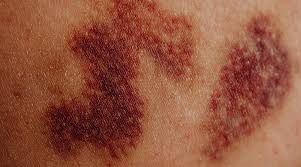
Melanoma (skin cancer)
-
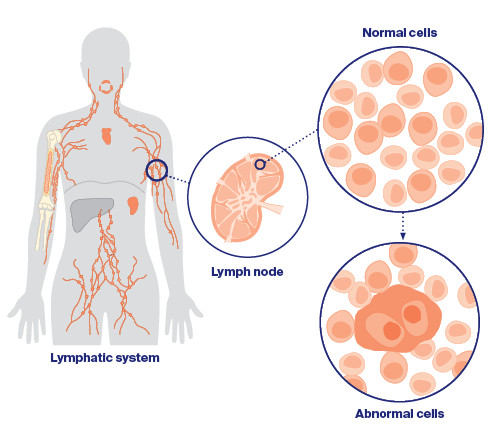
Non-Hodgkin’s lymphoma (lymph node cancer)
-
Sarcoma (cancer of muscle tissue)
Contraindication
Do not use dacarbazine in patients with:
-
Prior history of allergic reaction to this medicine
-
Severe renal and/or hepatic disorders
-
Leukopenia or ow leukocyte (white blood cell) and platelet counts
-
Pregnancy
-
Breastfeeding
Side Effects
Possible adverse effects of dacarbazine include:
-
Nausea and vomiting
-
Facial flushing
-
Hair loss
-
Orthostatic hypotension
-
Muscle pain
-
Blurred vision
-
Seizures
-
Headache
-
Weakness
-
Injection-site pain
-
Tissue injury
-
Diarrhea
-
Sensitivity to light
-
Inflammation of the mouth and lips
Types
This drug is available as injectable powder for solution: 100 mg, 200 mg, and 500 mg.
Dosage
Dosing varies with the treatment objective:
Sarcoma
Dacarbazine is usually combined with doxorubicin: 250 mg/m² once daily, IV over 15–30 minutes for 5 days. Repeat every 3 weeks.
Metastatic melanoma
Dacarbazine is given 2–4.5 mg/kg/day for 10 days. Repeat 4 weeks after the first dose.
Non-Hodgkin limfoma
Dacarbazine is combined with doxorubicin, bleomycin, and vinblastine: 150 mg/m² daily for 5 days. Repeat 4 weeks after the first dose.
Safety
The drug is categorized as FDA category C in pregnancy. Adverse fetal effects have been seen in animal studies; adequate data in human studies are sstill lacking. The drug is excreted into breast milk in small amounts. Therefore, dacarbazine is contraindicated during pregnancy and breastfeeding.
Drug Interactions
This drug can interact with several other drugs and cause related effects:
-
Antituberculosis drugs (rifampicin) and anticonvulsants (phenytoin, barbiturates) may increase metabolic breakdown of dacarbazine.
-
May impair immune response to vaccination administered during therapy.
-
Concomitant use with allopurinol, azathioprine, or mercaptopurine can increase the risk of adverse effects.
Looking for more information about other drugs? Click here!
- dr Hanifa Rahma
Dacarbazine – Mims Indonesia. (2022). Retrieved 8 July 2022, from https://www.mims.com/indonesia/drug/info/dacarbazine?mtype=generic
Dacarbazine – Chemocare. (2022). Retrieved 8 July 2022, from https://chemocare.com/chemotherapy/drug-info/dacarbazine.aspx
Dacarbazine – MedlinePlus. (2022). Retrieved 8 July 2022, from https://medlineplus.gov/druginfo/meds/a682750.html
Dacarbazine (DTIC) – CancerResearchUK. (2022). Retrieved 8 July 2022, from https://www.cancerresearchuk.org/about-cancer/cancer-in-general/treatment/cancer-drugs/drugs/dacarbazine