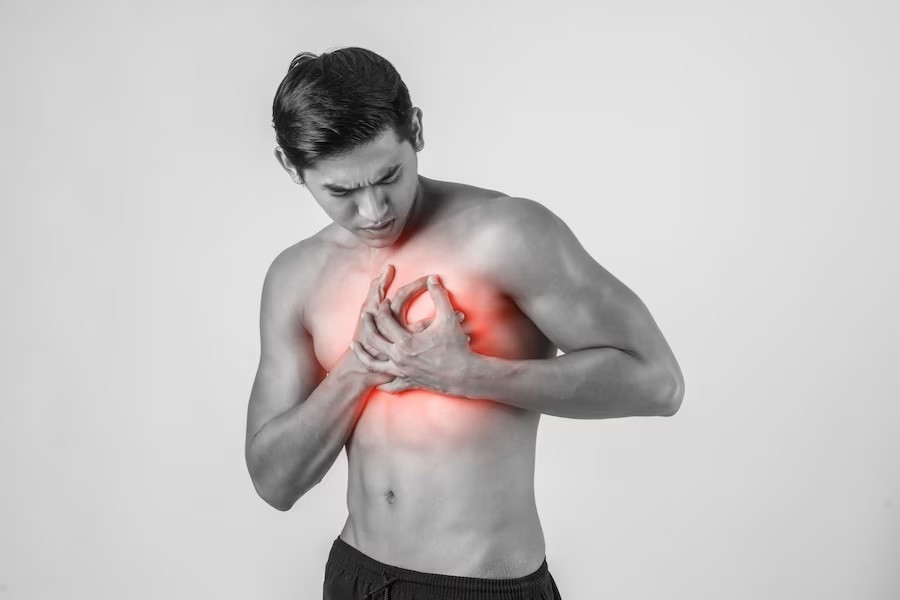
Physical Signs and Symptoms of Anxiety Disorders
Excessive Sweating
The body produces sweat when body temperature rises, which helps it cool down.
Sometimes, however, sweating occurs as a reaction to fear or stress. Anxiety-related sweating can appear across the body, especially on the palms, soles, face, and underarms.
Heart Palpitations
Another physical sign of an anxiety disorder is a pounding heartbeat. This sign can feel like rapid, fluttering, or skipped heartbeats, commonly called heart palpitations.
Palpitations occur as part of the body’s autonomic nervous system response. When a situation makes you uncomfortable, this system increases your heart rate.
Nausea
Shortness of Breath
Muscle Tension
-
Persistent muscle tightness and soreness
-
Pain severe enough to limit physical activity
-
Muscle aches or cramps
-
Muscle spasms or twitching
-
Discomfort that requires pain medicine for relief
Dry Mouth
Numbness and Tingling Sensation
- Fight-or-Flight Response
Anxiety often arises when you feel threatened or stressed. To handle the perceived danger, the body activates a fight-or-flight response.
During this reaction, the brain sends signals that increase blood flow to the muscles. Rapid shifts of blood away from the hands and feet can cause temporary numbness.
- Hyperventilation
When you feel anxious, your breathing may become faster and less regular. Although brief, this can lower carbon dioxide levels in the blood.
As a result, blood vessels that supply the brain constrict. When this happens, you can feel numbness and tingling sensation. In severe hyperventilation, fainting may occur.
Symptoms of an anxiety disorder can resemble a heart attack or another emergency. If you are unsure whether you are having a heart attack or anxiety, seek medical care.
- dr Hanifa Rahma
Cleveland Clinic (2020). Anxiety Disorders. Available from: https://my.clevelandclinic.org/health/diseases/9536-anxiety-disorder
Kristeen Cherney and Crystal Raypole (2022). Anxiety Got You in a Sweat? Why Anxiety Sweating Happens and How to Handle It. Available from: https://www.healthline.com/health/diagnosing-hyperhidrosis/depression-and-anxiety
Cleveland Clinic (2021). Heart Palpitations and Anxiety. Available from: https://my.clevelandclinic.org/health/diseases/21677-heart-palpitations-and-anxiety
Ann Pietrangelo (2022). Anxiety Nausea: What You Need to Know to Feel Better. Available from: https://www.healthline.com/health/anxiety/anxiety-nausea
Jessica Caporuscio, Pharm.D (2020). What's the link between anxiety and shortness of breath?. Available from: https://www.medicalnewstoday.com/articles/326831
Jim Folk (2021). Muscle Tension, Aches, Pains – Anxiety Symptoms. Available from: https://www.anxietycentre.com/anxiety-disorders/symptoms/muscle-tension/
Erica Hersh (2020). What’s the Link Between a Dry Mouth and Anxiety?. Available from: https://www.healthline.com/health/dry-mouth-anxiety
Crystal Raypole (2020). Feeling Numb or Tingly? It Might Be Anxiety. Available from: https://www.healthline.com/health/anxiety-numbness#symptoms