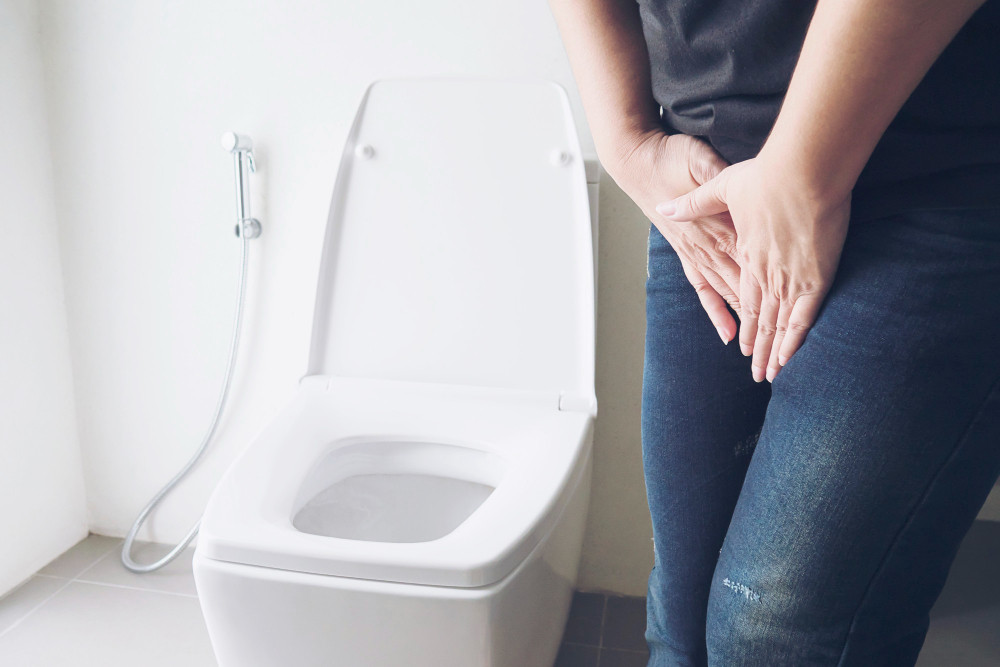

Urinary Tract Infections (UTIs) are infections that affect the urinary system, which includes the kidneys, ureters, bladder, and urethra. Women are more prone to UTIs than men due to the shorter length of the female urethra.
In women, UTIs can interfere with sleep, cause kidney infections, increase the risk of premature birth, and even lead to life-threatening sepsis. However, adopting preventive strategies can significantly reduce the risk of developing a UTI.
Effective Steps to Prevent Urinary Tract Infections
Stay Hydrated
One of the most effective ways to prevent UTIs is to ensure proper hydration. Drinking sufficient amounts of water helps dilute urine and increases the frequency of urination, which helps flush out bacteria from the urinary tract before they can lead to an infection.
Experts recommend that women drink approximately 2.7 liters of water per day, while men should aim for 3.7 liters daily to stay hydrated and reduce the likelihood of UTIs.
Avoid Holding In Urine
Many people hold in their urine when busy or occupied with tasks, but this can raise the risk of UTIs. Holding urine too long allows bacteria to thrive in the bladder.
It’s important to urinate as soon as you feel the need and to ensure that you empty your bladder completely every time you go.
Urinate After Intercourse
Urinating immediately after sexual intercourse is a preventive measure that helps reduce the risk of UTIs, particularly in women. During intercourse, bacteria from the genital or anal areas, or even the hands, can enter the urethra. Urinating right after intercourse helps to flush out many of these bacteria before they can lead to infection.
Proper Genital Hygiene
Maintaining good genital hygiene is crucial in preventing UTIs. Consider these hygiene practices:
-
Always wipe from front to back after urinating or defecating. This helps prevent the transfer of bacteria from the anus to the urethra.
-
Use gentle, fragrance-free soaps to avoid disrupting the natural bacterial balance in the genital area.
-
Steer clear of scented feminine hygiene products, as they can irritate the urethra.
Wear the Right Clothing
Wearing the right clothes can contribute to UTI prevention. Opt for cotton underwear, as it absorbs moisture and allows for better airflow. Avoid synthetic fabrics like nylon or polyester, which can trap moisture.
Additionally, refrain from wearing tight clothing, as it can increase moisture around the genital area, creating an environment where bacteria can thrive. Loose-fitting pants are a better option to allow for air circulation.
If your clothes get wet from sweat or swimming, change out of them promptly. Wet clothes can harbor bacteria, raising the risk of infection.
Although these preventive measures can reduce the likelihood of UTIs, it's still important to recognize early symptoms. If you experience pain while urinating, an increased urge to urinate with small amounts of urine, cloudy or foul-smelling urine, or fever, seek medical attention immediately.
For additional guidance, you can consult a doctor through the Ai Care app, available for download from the App Store or Play Store.
Looking for more information about other diseases? Click here!
- dr Hanifa Rahma
Lauren Bedosky (2023). What Is A Bladder Infection?. Available from: https://www.health.com/bladder-infection-7377294
WebMD (2023). What Are Bladder Infections?. Available from: https://www.webmd.com/a-to-z-guides/understanding-bladder-infections-basic-information
Sarah Suarez, P.A-C (2022). 5 tips to prevent a urinary tract infection. Available from: https://www.mayoclinichealthsystem.org/hometown-health/speaking-of-health/5-tips-to-prevent-a-urinary-tract-infection
Corrie Pelc (2023). How urinary tract infections (UTIs) negatively impact women's quality of life. Available from: https://www.medicalnewstoday.com/articles/urinary-tract-infections-utis-womens-sleep-sex-quality-of-life
WebMD (2022). Water: How much should you drink every day?. Available from: https://www.mayoclinic.org/healthy-lifestyle/nutrition-and-healthy-eating/in-depth/water/art-20044256