
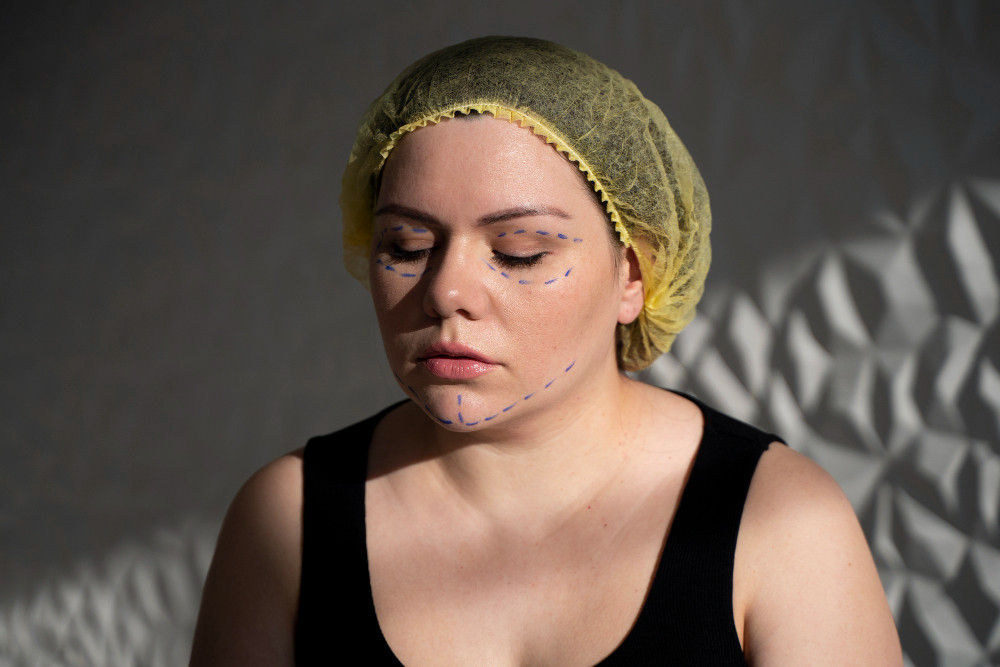
Feeling unhappy with how you look can make anyone anxious. For some people, however, dissatisfaction with appearance can spiral into certain anxiety disorders. This often fuels a persistent urge to seek cosmetic procedures, which may progress into addiction.
What Is Body Dysmorphic Disorder?
Body dysmorphic disorder is a mental health condition in which a person cannot stop fixating on their own perceived physical flaws, even when these perceived flaws looked tiny or are not noticed by others. These concerns can make someone reluctant to meet people because their confidence drops.
People with body dysmorphic disorder stay preoccupied with appearance and body image. Many spend hours a day checking mirrors. This ongoing sense of “not good enough” eventually disrupts their daily activities.
They also tend to pursue multiple cosmetic procedures to “fix” these perceived flaws. Yet a single cosmetic procedure rarely feels sufficient. Feelings of dissatisfaction and anxiety could return, prompting an ongoing search for ways to alter their physical appearance.
If this condition is not addressed seriously, it can worsen into severe anxiety, plastic surgery addiction, major depression, and even suicidal thoughts.
Causes of Body Dysmorphic Disorder
According to Johns Hopkins Medicine, the cause of body dysmophic disorder likely stems from a mix of environmental, psychological, and biological factors. Being teased or mocked about their appearance can leave lasting trauma that fuels ongoing dissatisfaction with one’s physical appearance.
Low serotonin in the brain is also thought to play a role. Reduced serotonin is linked to stress and depression, which can reinforce negative thoughts, including beliefs about one’s body.
Signs of Body Dysmorphic Disorder
People with body dysmorphic disorders dwell on “defects” in one or more body parts. Common areas that become a focus include:
-
Face, such as the nose, uneven skin tone, wrinkles, acne, and spots
-
Hair, including hair loss and balding
-
Chest or breast size
-
Genital size, for example concerns about a penis being too small
-
Bone structure and muscle mass, such as feeling insecure about large calves or legs
Some typical symptoms of body dysmorphic disorder include:
-
Persistent beliefs that perceived flaws make them unacceptable, even when development is normal
-
Patients spend several hours a day looking in the mirror. When looking in the mirror, they keep scrutinizing parts of their body.
-
Frequently seeking reassurance or approval about appearance
-
Hiding perceived imperfections with makeup or clothing
-
Constant worry that others will judge their looks negatively
-
Repeated visits to doctors, aesthetic clinics, or dentists to correct perceived flaws, yet remaining dissatisfied with the results
According to Verywell Mind, body dysmorphic disorder is a driver of plastic surgery addiction. People with body dysmorphic disorder may spend considerable money to meet a personal “standard” of satisfaction. Unfortunately, the relief is short-lived, leading them to pursue more procedures.
Treating Body Dysmorphic Disorder
Management typically combines cognitive behavioral therapy (CBT) and medication. Through CBT, therapists help patients identify the roots of negative thought patterns and build strategies to challenge and change them.
Medicines that increase serotonin, along with other treatments for anxiety and related symptoms, may also be used. In severe case, especially in people with risks of self-harm, treatments in hospital may be necessary.
Body dysmorphic disorder can become a serious mental health condition. Beyond therapy, patients need consistent support from family and loved ones. See a doctor or psychiatrist if you or someone close to you shows these symptoms.
Looking for more information about other diseases? Click here!
- dr Hanifa Rahma
Mayo Clinic. Body Dysmorphic Disorder. Available from: https://www.mayoclinic.org/diseases-conditions/body-dysmorphic-disorder/symptoms-causes/syc-20353938
John Hopkins Medicine. Body Dysmorphic Disorder. Available from: https://www.hopkinsmedicine.org/health/conditions-and-diseases/body-dysmorphic-disorder
NHS. Body dysmorphic disorder (BDD). Available from: https://www.nhs.uk/mental-health/conditions/body-dysmorphia/#
Addiction Center. Plastic Surgery Addiction. Available from: https://www.addictioncenter.com/drugs/plastic-surgery-addiction/#
Resnick, A. (2022). Everything You Need to Know About Plastic Surgery Addiction. Available from: https://www.verywellmind.com/everything-you-need-to-know-about-plastic-surgery-addiction-5212090