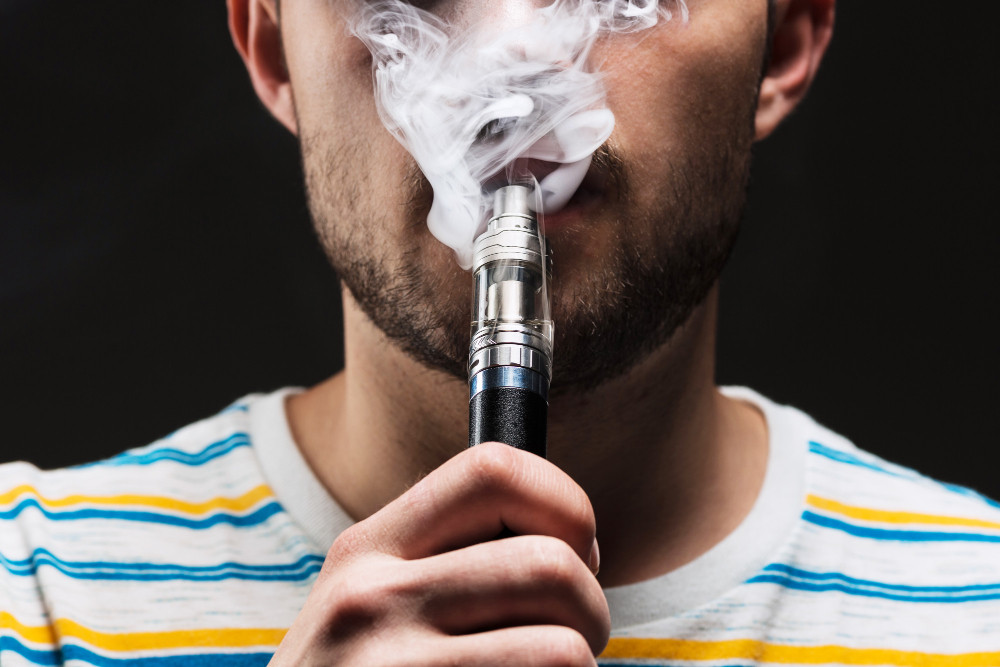

Vaping or the use of electronic cigarettes has gained significant popularity, especially among younger generations. Many people believe that vaping is a safer alternative to traditional smoking.
However, research has shown that vaping can be just as harmful as smoking regular cigarettes. The use of vape can lead to various health problems, impacting both the respiratory system and other organs in the body.
Why is Vape Just as Dangerous as Conventional Cigarettes?
While many perceive vaping to be a safer option than smoking traditional cigarettes, both carry significant health risks.
Both vape and cigarettes contain nicotine, an addictive substance that stimulates the brain and leads to dependence. Nicotine also raises blood pressure, accelerates heart rate, and increases the risk of heart disease.
In addition to nicotine, vape liquids often contain chemicals such as propylene glycol, glycerin, and artificial flavors. When heated, these substances can release harmful compounds like formaldehyde and acetaldehyde. These compounds are carcinogenic and can potentially stimulate the growth of cancer cells.
5 Types of Diseases That Can Appear Due to Vape Use
The combination of nicotine and other chemicals found in vape can lead to several serious health issues, including:
Popcorn Lung
Diacetyl is a chemical used in some food products for flavoring, and while it is considered safe for consumption in small amounts, it can also be found in certain flavored vape liquids. Inhaling diacetyl through vape vapor can be extremely harmful to the lungs.
Exposure to diacetyl in vape vapor is linked to bronchiolitis obliterans, commonly known as popcorn lung. This condition causes inflammation and narrowing of the smallest airways (bronchioles) in the lungs, eventually leading to the formation of scar tissue.
Popcorn lung results in chronic cough, shortness of breath, and a significant decline in lung function.
EVALI
EVALI (e-cigarette or vaping product use-associated lung injury) is a severe condition directly related to vaping. This disease causes extensive damage to lung tissue and manifests through various respiratory symptoms, including severe coughing, difficulty breathing, and chest pain.
Cancer
Vape use poses a long-term risk of developing cancer. Several chemicals present in vape, such as formaldehyde, acetaldehyde, and acrolein, are known carcinogens that can promote the growth of cancer cells. These harmful substances are primarily formed when vape liquid is heated at high temperatures, and the vapor is inhaled into the lungs.
Organ Damage
The harmful effects of vaping aren't limited to the lungs. The nicotine and other chemicals in vape liquids can also negatively affect other vital organs, such as the heart and brain. Long-term exposure can lead to significant organ damage, impacting overall health.
Asthma
Vaping has been linked to an increased risk of developing asthma and can exacerbate pre-existing asthma. The ingredients in vape vapor, such as nicotine, propylene glycol, glycerin, and various additives, can irritate the respiratory tract and trigger inflammation.
For individuals with asthma, exposure to these substances can worsen symptoms like shortness of breath, coughing, and wheezing, making asthma attacks more frequent and intense.
Although vaping is often considered a safer alternative to smoking, the evidence suggests that it still carries serious health risks. It is essential to make informed decisions regarding lifestyle choices and be mindful of their long-term impact on health.
If you experience symptoms of respiratory issues, it's crucial to consult a doctor or use the consultation service available on the Ai Care app, which can be downloaded from the App Store or Play Store.
Looking for more information about other diseases? Click here!
- dr Hanifa Rahma
Cleveland Clinic (2022). Vaping (E-Cigarettes). Available from: https://my.clevelandclinic.org/health/treatments/21162-vaping
American Heart Association (2024). How Smoking and Nicotine Damage Your Body. Available from: https://www.heart.org/en/healthy-living/healthy-lifestyle/quit-smoking-tobacco/how-smoking-and-nicotine-damage-your-body
CDC (2025). Health Effects of Vaping. Available from: https://www.cdc.gov/tobacco/e-cigarettes/health-effects.html
Better Health Channel. E-cigarette safety. Available from: https://www.betterhealth.vic.gov.au/health/healthyliving/e-cigarette-safety
Houston Methodist (2024). Does Vaping Cause Lung Cancer?. Available from: https://www.houstonmethodist.org/blog/articles/2024/dec/does-vaping-cause-lung-cancer/