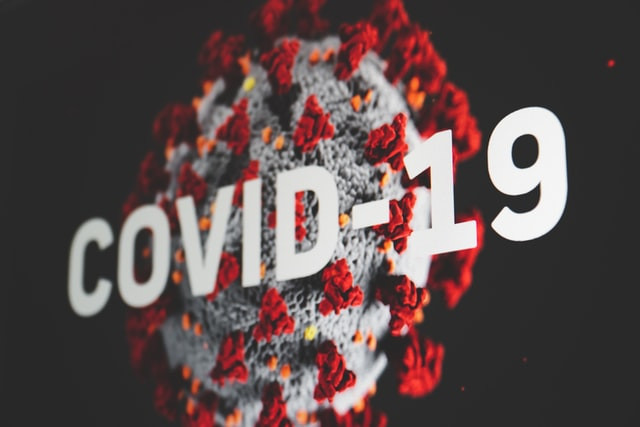
Confirmed COVID-19 cases continue to rise, with more infections now also can be seen in younger people. Several comorbidities are known to aggravate COVID-19 infections, and anemia is also believed to contribute to more severe infections.
What Is Anemia?
Anemia is a medical condition in which the number and size of red blood cells fall below the normal range. People with anemia typically do not have enough hemoglobin, the oxygen-carrying protein inside red blood cells, which results in a red blood cell count that is lower than usual.
This situation disrupts oxygen delivery throughout the body. Anemia can affect anyone, from toddlers and young girls to pregnant women. It is commonly seen in people who are malnourished or experiencing certain circumstances such as menstruation, taking specific medications, having chronic diseases, or dealing with other health issues.
Anemia and COVID-19
Recent observations indicate that people with anemia face a higher likelihood of more severe COVID-19 symptoms than those without anemia. Individuals with anemia often have low hemoglobin levels. Because hemoglobin transports oxygen across the body, a drop in hemoglobin levels can reduce oxygen delivery to organs, leading to hypoxia and potentially causing multi-organ failure, especially in the respiratory system. There is also speculation that COVID-19 may damage hemoglobin chains and injure red blood cells, which can worsen the condition, and in effect anemia worsens prognosis of COVID-19 infection.
Another analysis found that anemic patients are at greater risk of developing cardiovascular disease, hypertension, kidney disease, diabetes, and cancer as COVID-19 progresses. Mortality is also higher among anemic patients with COVID-19 compared with those who are not anemic. The same report noted that people with anemia are more likely to deteriorate, require intensive care unit admission, and need ventilatory support.
Because blood plays a central role in the organ systems, anemia can lead to numerous health problems. To help prevent anemia, increase your intake of iron-rich foods and B vitamins, and adopt healthy habits such as limiting alcohol, exercising more, and getting adequate rest. If you often notice symptoms suggestive of anemia, including headaches and dizziness, pallor, or chest pain, seek medical advice promptly for treatment.
Looking for more information and health articles about Covid-19? Click here!
- dr Hanifa Rahma
Tao Z, Xu J, Chen W, Yang Z, Xu X, Liu L, Chen R, Xie J, Liu M, Wu J, Wang H, Liu J. Anemia is associated with severe illness in COVID-19: A retrospective cohort study. J Med Virol. 2021 Mar;93(3):1478-1488. doi: 10.1002/jmv.26444. Epub 2020 Nov 10. PMID: 32813298; PMCID: PMC7461220.
Taneri PE, Gómez-Ochoa SA, Llanaj E, Raguindin PF, Rojas LZ, Roa-Díaz ZM, Salvador D Jr, Groothof D, Minder B, Kopp-Heim D, Hautz WE, Eisenga MF, Franco OH, Glisic M, Muka T. Anemia and iron metabolism in COVID-19: a systematic review and meta-analysis. Eur J Epidemiol. 2020 Aug;35(8):763-773. doi: 10.1007/s10654-020-00678-5. Epub 2020 Aug 20. PMID: 32816244; PMCID: PMC7438401.
Benoit JL, Benoit SW, de Oliveira MHS, Lippi G, Henry BM. Anemia and COVID-19: A prospective perspective. J Med Virol. 2021 Feb;93(2):708-711. doi: 10.1002/jmv.26530. Epub 2020 Sep 30. PMID: 32949170; PMCID: PMC7536957