Definition
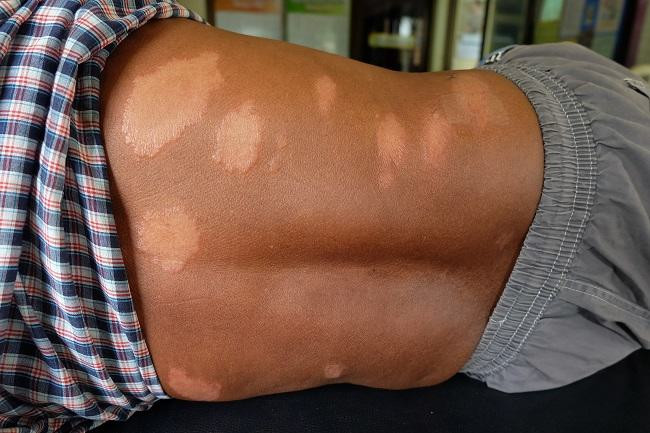
Hansen disease, also known as leprosy, is an infection caused by Mycobacterium leprae. This chronic disease primarily affects the skin and peripheral nerves but can also involve other organs such as muscles, eyes, bones, testicles, and others. Leprosy is most commonly found in regions like Asia and Africa. The infection is spread through mucus or fluids expelled from the nose, eyes, and mouth of an infected person.
Leprosy has a long incubation period, with symptoms often not appearing for over a year. When symptoms do emerge, they tend to develop slowly. Leprosy is treatable and curable if detected early. Upon diagnosis of Hansen disease, your doctor will identify the specific type of leprosy you have and develop a suitable treatment plan.
There are various forms of leprosy, ranging from mild to severe, depending on the clinical symptoms. These include:
-
Indeterminate Hansen's disease
-
Tuberculoid Hansen's disease
-
Borderline tuberculoid Hansen's disease
-
Borderline Hansen's disease
-
Borderline lepromatous Hansen's disease
-
Lepromatous Hansen's disease
Indication
A leprosy test is recommended by a doctor if you have been in contact with someone showing symptoms of leprosy or if you experience any of the typical symptoms yourself. These symptoms may include:
-
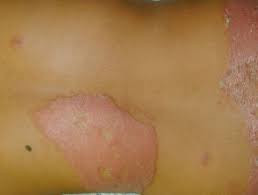
Skin lesions that do not heal within weeks or months
-
Skin wounds that are less sensitive to heat or pain, or that cause pain when touched
-
Thickened skin
-
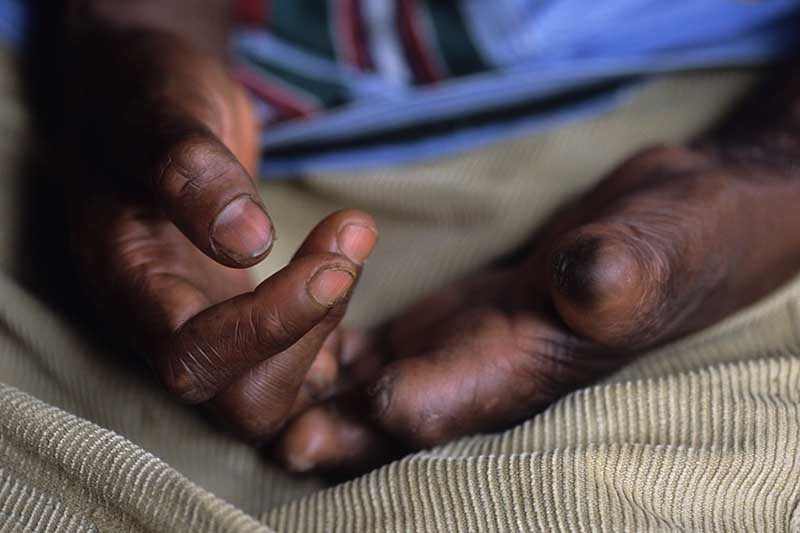
Nerve damage leading to numbness or muscle weakness that worsens over time
Contraindication
There are no specific contraindications for the Hansen disease test. It can generally be performed on anyone who meets the clinical indications.
Preparation Before the Test
No special preparation is required before undergoing the Hansen disease test. However, it is important to inform your doctor if you are taking any medications or consuming foods that might cause false-positive results. If you have a skin irritation or conditions such as dermatitis, the test will be adjusted to avoid influencing your skin. Redness or irritation due to these conditions could lead to inaccurate results, potentially causing false-positive outcomes.
Test Procedure
The specific tests recommended will depend on the suspected type of leprosy, as well as the treatment options available. Some common sample types that may be collected include skin samples from areas like the elbows, knees, ears, and active skin rashes, or nerve tissue from thickened nerves. A biopsy is typically required to confirm the diagnosis of leprosy and to classify its type.
The procedure begins with the doctor cleaning the area from which the sample will be taken. A local anesthetic will then be injected to numb the area, ensuring that you feel no discomfort during the process. Once the area is sufficiently numb, the doctor will use a specialized tool to take a small sample of the skin. The entire biopsy procedure typically takes around 15 minutes. Afterward, the doctor will cover the sample site with a bandage and provide instructions on how to care for the wound.
Another testing method involves injecting a small sample of inactivated M. leprae under the skin to observe any reaction. A small bump will form at the injection site, and the doctor will monitor your reaction over the next three days. If no reaction occurs, a second test will be conducted 28 days later to further assess the presence of leprosy.
Normal and Abnormal Values
Normal values for the Hansen disease test are indicated by a negative result, meaning no reaction occurs on your skin. If the test results are positive, showing changes such as redness, swelling, or other alterations in the skin, this suggests that you may have leprosy.
Results and Recommendations (Follow-up Tests)
The interpretation of the results may vary depending on factors such as age, gender, medical history, and the specific testing method used. The skin test also depends on the specific changes observed in the skin at the test site, in addition to the results of any biopsy samples taken.
If the skin test results are positive, showing reactions like redness or swelling, it may indicate tuberculoid or borderline forms of leprosy. On the other hand, if you receive a positive result on the skin test but do not exhibit any reaction on your skin, this may point to lepromatous forms of leprosy.
Consult the Right Doctor
If the results of your test are abnormal, it is important to consult with a general practitioner for a proper diagnosis and treatment plan. If needed, you can also seek advice from an internist who can further assess your condition. If your biopsy and skin test results suggest the presence of leprosy, your doctor may prescribe antibiotics such as dapsone, rifampicin, and clofazimine to help treat the infection.
Looking for more information about laboratory, radiology, and other examination results? Click here!
- dr Hanifa Rahma
Leprosy (Hansen’s Disease). (2022). Retrieved 19 April 2023, from https://my.clevelandclinic.org/health/diseases/23043-leprosy-hansens-disease
Diagnosis dan Penatalaksanaan Kusta. (2020). Retrieved 19 April 2023, from https://news.unair.ac.id/2020/08/12/diagnosis-dan-penatalaksanaan-kusta/?lang=id
Lepromin Skin Test (Leprosy Skin Test). (2022). Retrieved 19 April 2023, from https://www.healthline.com/health/lepromin-skin-test
Skin Biopsy. (2021). Retrieved 19 April 2023, from https://my.clevelandclinic.org/health/diagnostics/21857-skin-biopsy