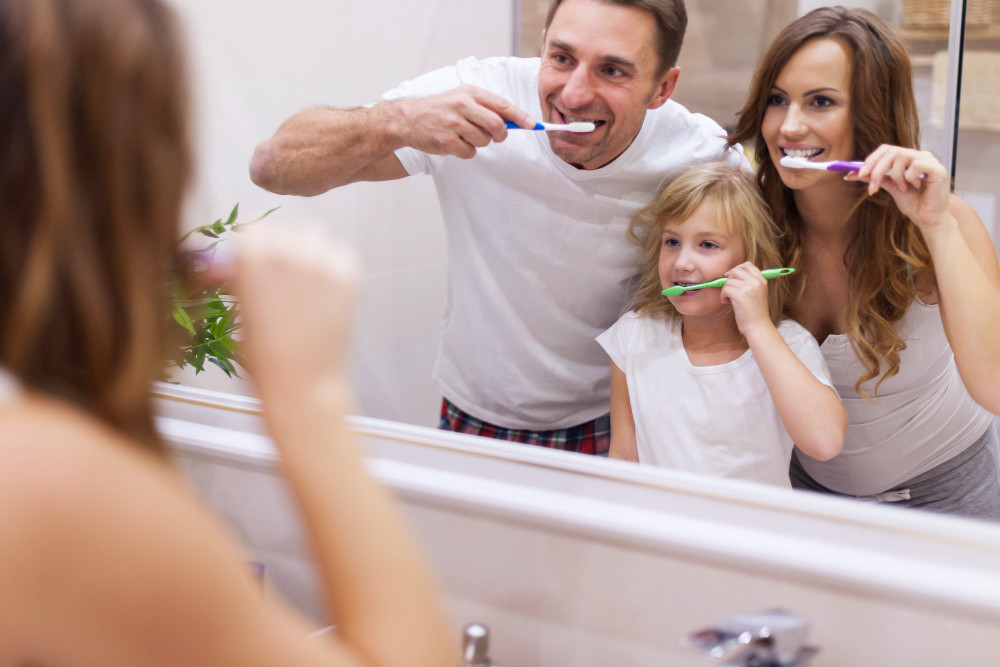

People with sensitive teeth can find everyday oral care challenging. Activities such as eating, drinking, and brushing may trigger pain. For that reason, those with sensitive teeth should choose dental-care tools that feel comfortable and don’t cause discomfort.
What Are Sensitive Teeth?
Sensitive teeth often occur when the inner layer of the tooth is exposed. This may be due to enamel erosion or gum recession, in which gum tissue pulls away from the tooth and exposes the root.
The root surface, which isn’t protected by hard enamel, contains thousands of tiny tubules (channels) leading to the tooth’s center (pulp). These tubules let stimuli like heat, cold, or sweet foods reach the nerve, causing the pain you feel.
Sensitive teeth can also signal other oral issues, including cavities, gum disease, or cracked teeth.
Tips for Choosing a Toothbrush for Sensitive Teeth
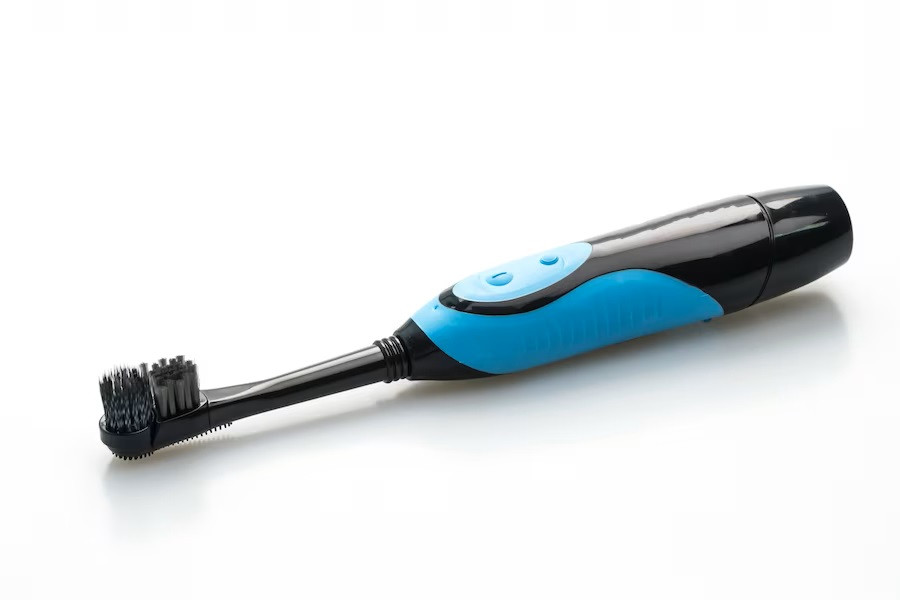
Brushing can feel unpleasant when you have sensitive teeth because it can hurt. That’s why you need to pay close attention to daily care. One key step is choosing the right toothbrush.
Choose a Soft-Bristled Brush
Comfort matters for people with sensitive teeth. If you have sensitive teeth, use a soft-bristled toothbrush to help protect the gums and reduce pain while brushing.
Avoid hard bristles, as they can contribute to gum recession, cause bleeding, wear away the outer tooth layer, and expose root surfaces that can worsen sensitivity.
Choose the Right Toothbrush Tip
In addition to bristle type, consider your mouth shape and tooth condition. Pick a brush head with a curve that reaches all areas of your teeth and cleans effectively.
Choose a toothbrush with a longer handle so you can reach deeper areas more easily without causing pain.
Tips to Manage Sensitive Teeth
Along with choosing your toothbrush carefully, it helps to follow other steps for sensitive teeth. Some tips include:
-
Use toothpaste formulated for sensitive teeth
-
Use fluoride toothpaste to strengthen enamel
-
Brush with a gentle, non-abrasive technique
-
Brush your teeth twice daily, before you go to bed and after meals
-
Reduce acidic foods, which can erode enamel
Besides the steps above, schedule dental checkups every six months. If sensitivity keeps disrupting your daily activities, consult your dentist for appropriate treatment.
Looking for more information about health tips and tricks, first aid, and other home remedies? Click here!
- dr Hanifa Rahma
Parker, H. (2021). Choosing a Toothbrush: The Pros and Cons of Electric and Disposable. Available from: https://www.webmd.com/oral-health/guide/choosing-a-toothbrush-the-pros-and-cons-of-electric-and-disposable#1
WebMD Editorial Contributors. (2020). What Can You Do About Sensitive Teeth?. Available from: https://www.webmd.com/oral-health/guide/tooth-sensitivity#1
Sahi, A. Choosing the Right Toothbrush | Soft vs. Hard Bristles. Available from: https://www.news-medical.net/health/Choosing-the-Right-Toothbrush-Soft-vs-Hard-Bristles.aspx
Gotter, A. (2018). Why Are My Teeth So Sensitive?. Available from: https://www.healthline.com/health/sensitive-teeth#1