
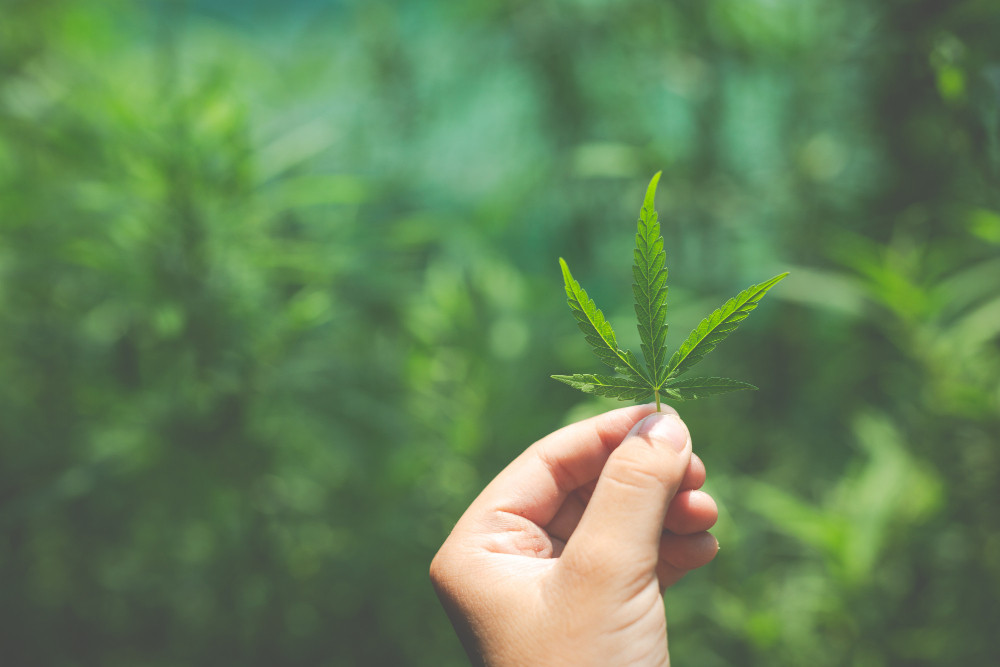
The use of marijuana (Canabis saktiva) it it is still a controversy in various countries, including Indonesia. Marijuana is known as dry leaves that are burned and inhaled like cigarettes, has a stimulant effect on the brain. People who smoke marijuana usually feel euphoric, more relaxed, and happy for a moment. Although marijuana can also worsen people's symptoms with certain mental disorders, marijuana makes it difficult to focus, and can cause addiction. In addition to these effects, marijuana is also known to have a number of medical benefits. However, its use is still very limited.
Medical Marijuana Research
There is no difference in plant type between marijuana used recreationally and marijuana used in medicine. What differs are the route of use and the dosage administered. Medical marijuana refers to using the plant or specific chemicals derived from marijuana as part of a therapeutic plan for particular diseases.
The marijuana plant contains more than 100 cannabinoid compounds. Each cannabinoid can act differently in the body. Two of the best known substances, delta-9-tetrahydrocannabinol (THC) and cannabidiol (CBD), are central to medical applications. THC is also responsible for the “high” felt after eating marijuana-containing products or smoking marijuana.
As reported by Medical News Today, the following health areas are under study in relation to marijuana:
1. Chronic Pain
According to The Health Effects of Cannabis and Cannabinoids: The Current State of Evidence and Recommendations for Research, pain relief is the most frequent medical use of marijuana. In adults with chronic pain, those receiving cannabis or cannabinoid therapies are more likely to experience meaningful pain reduction. Nabiximols, an oromucosal spray of THC and CBD combination, has been widely used to ease persistent pain. Although still being studied, nabiximols has shown encouraging results for patients with cancer, multiple sclerosis (an autoimmune disease), and nerve pain (neuropathy).
2. Mental Disorders
A review in Clinical Psychology Review reported signals that cannabis may help with some psychiatric symptoms. The authors found evidence supporting symptom relief for depression and PTSD. However, they also emphasized the need for more research on potential side effects of cannabis-based treatments for these conditions. Current studies on depression frequently track depressive symptoms in people already dealing with other illnesses (such as chronic pain or multiple sclerosis).
Cannabis use does not seem to raise the chance of developing depression, anxiety, or PTSD, but it is associated with a higher likelihood of schizophrenia and psychotic symptoms. Among people with bipolar disorder, daily cannabis use correlates with more severe manifestations compared with those who do not use it. Other research suggests that adverse effects from cannabis may increase the risk of social anxiety.
3. Cancer
The American Cancer Society notes that some studies have found smoking cannabis can lessen nausea and vomiting caused by chemotherapy. Additional studies show that certain cannabinoids can slow the growth of specific cancer cells in animal models. While these findings are promising, they do not prove that cannabis controls or cures cancer. Because the evidence remains limited, cannabis has not been established as an effective cancer therapy.
Even so, cannabinoids continue to be investigated for managing chemotherapy-related nausea and vomiting in people with cancer.
4. Epilepsy
Several studies indicate that cannabis-derived products can help reduce seizure frequency. In 2018, the U.S. FDA approved CBD (Epidiolex) to treat two rare, severe epilepsies, such as Lennox-Gastaut syndrome and Dravet syndrome, that have been difficult to manage with standard anti-seizure medicines. It is still important to recognize that research remains relatively limited regarding the broader effectiveness of cannabinoids for epilepsy.
In Indonesia, using cannabis remains illegal. Although some studies point to potential medical benefits of cannabis, the risks and side effects also need careful consideration. To avoid legal problems and health risks, it is advisable to refrain from illegal cannabis use, whether for recreation or for self-directed medical purposes.
Looking for more information about health tips and tricks, first aid, and other home remedies? Click here!
- dr Hanifa Rahma
WebMD. (2021). Medical Marijuana FAQ. Available from: https://www.webmd.com/a-to-z-guides/medical-marijuana-faq
Villines, Z. (2022). Available from: https://www.medicalnewstoday.com/articles/320984#So,-is-cannabis-good-or-bad-for-your-health?
Frysh, P. (2021). How Pot Affects Your Mind and Body. Available from: https://www.webmd.com/mental-health/addiction/marijuana-use-and-its-effects#1
National Academies of Sciences, Engineering, and Medicine; Health and Medicine Division; Board on Population Health and Public Health Practice; Committee on the Health Effects of Marijuana: An Evidence Review and Research Agenda. The Health Effects of Cannabis and Cannabinoids: The Current State of Evidence and Recommendations for Research. Washington (DC): National Academies Press (US); 2017 Jan 12. 4, Therapeutic Effects of Cannabis and Cannabinoids. Available from: https://www.ncbi.nlm.nih.gov/books/NBK425767/
Grinspoon, P. (2020). Medical Marijuana. Available from: https://www.health.harvard.edu/blog/medical-marijuana-2018011513085
American Cancer Society. Marijuana and Cancer. Available from: https://www.cancer.org/treatment/treatments-and-side-effects/treatment-types/complementary-and-integrative-medicine/marijuana-and-cancer.html
Tubert, D., Gudgel, D. (2020). Does Marijuana Help Treat Glaucoma or Other Eye Conditions?. Available from: https://www.aao.org/eye-health/tips-prevention/medical-marijuana-glaucoma-treament