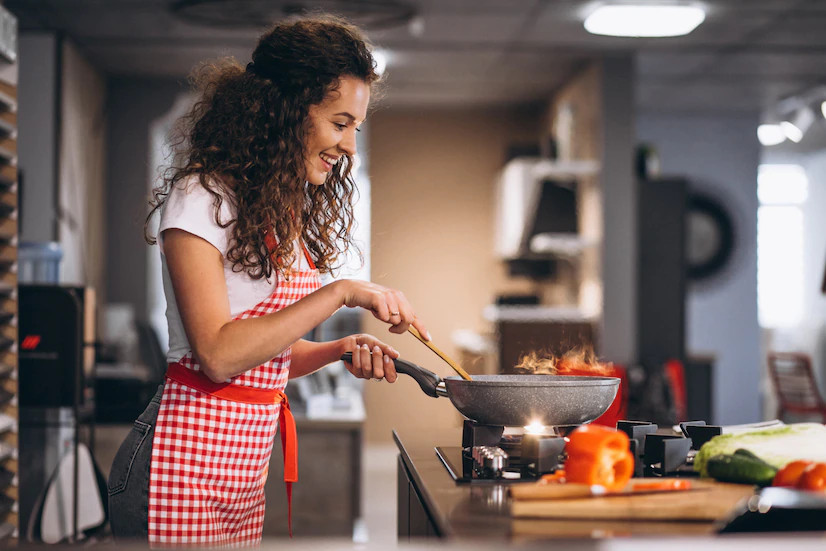

Practicing good food hygiene means understanding how to prevent bacterial transmission while you are preparing, cooking, and storing food. If cross-contamination occurs, bacteria from raw ingredients can move onto ready-to-eat meals, which increases the risks of food poisoning.
Signs of Food Poisoning
Food poisoning may occur after you eat food that contains harmful bacteria such as Salmonella or E. coli. The symptoms that appear after infection can range from mild to very severe. In some people, these symptoms last only a few hours, while in others they can persist for several days.
If you have food poisoning, you may experience symptoms such as diarrhea, abdominal pain or cramps, nausea, vomiting, and fever.
Certain symptoms can become serious, and you should seek urgent medical care if you notice:
-
Bloody diarrhea.
-
Diarrhea that does not improve for more than 3 days.
-
A body temperature higher than 38 degrees Celsius.
-
Persistent vomiting that makes you unable to keep fluids down.
- Signs that you are becoming dehydrated include oliguria, dry mouth and throat, lightheaded sensation or dizziness when you stand up from sitting or lying down.
4 Important Points in Food Hygiene Practices
There are four key points in food hygiene that you need to remember, including:
-
Cleaning – making sure hands, kitchen tools, and cutting boards are clean before, during, and after food preparation.
-
Cooking – ensuring food is cooked all the way through so that harmful bacteria are destroyed.
-
Chilling – storing food at the correct temperature to stop dangerous bacteria from replicating.
-
Avoid Cross-contamination – reducing the risk of cross-contamination by keeping raw foods separate from cooked or ready-to-eat foods.
How to Practice Food Hygiene at Home
By applying the four basic principles above, you can follow simple food hygiene tips at home, such as:
-
Wash your hands with soap and clean running water before you start preparing your foods.
-
Clean cooking utensils properly before and after use, especially items such as cutting boards, knives, mixers, blenders, and similar tools.
-
Store raw meat at around 4 degrees Celsius so bacteria do not replicate before the meat is cooked. If you are only going to have a small portion of meat, divide the meat into smaller containers first.
-
Keep raw foods separate from cooked foods. For example, if both are stored in the refrigerator, place cooked dishes in airtight containers to reduce the risk of cross-contamination.
-
Rinse fruits and vegetables thoroughly under clean water before eating them.
-
Use different cooking tools to reduce cross-contamination; for instance, follow safe guidance on how to use a cutting board by using one board for meat and another for fruits or vegetables.
-
Store liquids, grains, dry ingredients, and flours in separate containers.
- Wet foods are very prone to mold growth, so if they are stored together with dry ingredients, the risk of mold contaminating other foods will increase.
-
Make sure the foods are cooked thoroughly, especially eggs, red meat, poultry, and fish, as these items can carry germs. If they are not fully cooked, these germs can enter the body and cause infection.
-
Protect food from insects and pests by covering dishes, installing screens, using pest control where needed, and making sure flies do not land on the foods.
-
Always use clean water for washing ingredients and cooking food.
-
Wipe down and clean the kitchen area carefully after every use.
-
Wash towels, cleaning cloths, and sponges regularly once you have finished using them to prevent germs from proliferating.
Food poisoning can pose a serious risk to your health. If your condition worsens or you develop more severe symptoms, do not delay seeking medical attention.
Looking for more information about health tips and tricks, first aid, and other home remedies? Click here!
- dr Hanifa Rahma
Adrian Carter (2019). Why is Food Hygiene Important?. Available from: https://hygienefoodsafety.org/why-is-food-hygiene-important/.
CDC (2022). Food Poisoning Symptoms. Available from: https://www.cdc.gov/foodsafety/symptoms.html.
Department of Health (2022). Prevent Cross-Contamination. Available from: https://www.health.state.mn.us/people/foodsafety/clean/xcontamination.html.
NHS Health Scotland (2020). Preparing and cooking food safely. Available from: https://www.nhsinform.scot/healthy-living/food-and-nutrition/food-safety-and-hygiene/preparing-and-cooking-food-safely.