Oxalic acid is a naturally occurring compound present in a variety of fruits, vegetables, and nuts. Known for its ability to bind with minerals and hinder nutrient absorption, oxalic acid is often categorized as an antinutrient. For certain individuals, particularly those with conditions like kidney stones, limiting the intake of oxalic acid is strongly recommended.
So, what exactly does oxalic acid do to the body? Who should avoid it or limit its consumption? Keep reading for more insights.
What is Oxalic Acid?
Oxalic acid is an organic substance found in a wide range of living organisms, including humans, animals, plants, and bacteria. When oxalic acid combines with minerals, it forms oxalate compounds, such as calcium oxalate or iron oxalate. The human body can produce oxalates as a waste product from metabolism, and we also ingest them through food.
Typically, oxalates are excreted through urine or feces. However, in some people, high levels of oxalates can contribute to the formation of kidney stones.
Effects of Oxalic Acid for the Body
Inhibits Mineral Absorption
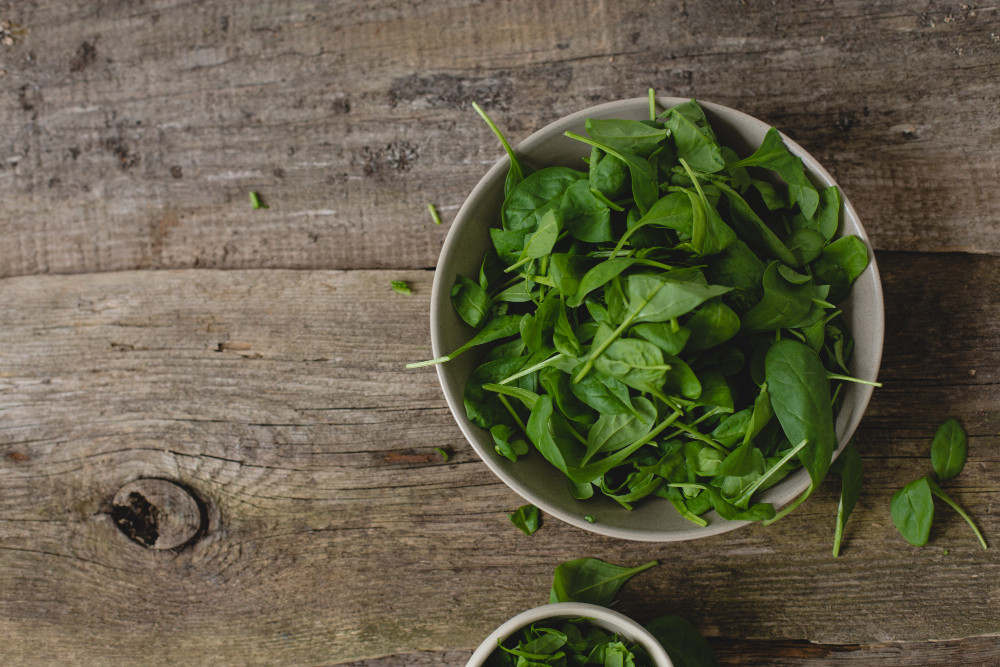
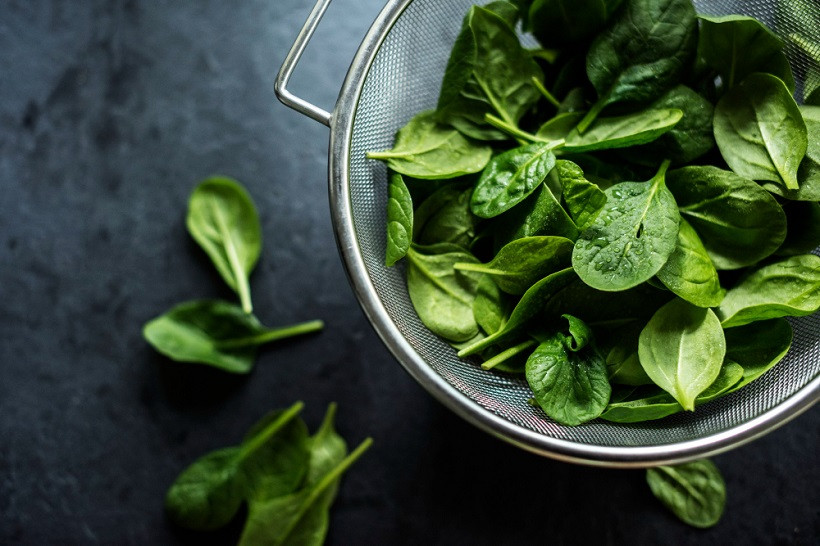
One of the major concerns with oxalic acid is its ability to bind with minerals in the intestines, which reduces the body’s ability to absorb those minerals. For instance, spinach is high in calcium, but because it also contains oxalates, some of the calcium cannot be fully absorbed. Additionally, consuming fiber along with oxalates can further hinder nutrient absorption.
Though too much calcium can contribute to kidney stone formation, getting an adequate amount of calcium is vital for preventing kidney stones and supporting overall health.
It's important to note that only certain minerals in food will bind to oxalates. Therefore, foods that contain oxalic acid can still be eaten in moderation without concern, as long as they are consumed in reasonable amounts.
Increases the Risk of Kidney Stones
A high intake of oxalic acid from foods is often linked to hyperoxaluria, which refers to an excess of oxalates in urine. This condition is one of the leading risk factors for developing kidney stones.
For every additional 100 milligrams of oxalate consumed, urine oxalate levels can increase by 1.7 milligrams. Studies show that elevated urinary oxalate levels significantly raise the risk of kidney stones. For example, if oxalate levels in urine double from 20 milligrams to 40 milligrams, a person’s likelihood of developing kidney stones can rise from 2.5 to 3.5 times.
Oxalosis
Excessive oxalate in the body can lead to oxalosis, a condition where oxalates accumulate in organs and tissues, potentially causing damage to bones, blood vessels, eyes, and even the heart.
How to Prevent High Oxalic Acid Levels
It’s important to note that elevated oxalic acid levels do not pose a problem for everyone. Some people can efficiently eliminate oxalates from their body. However, individuals who are prone to kidney stones or have a history of kidney issues should consider reducing their oxalic acid intake.
Here are some ways to manage and prevent high levels of oxalic acid:
-
Balance the consumption of oxalate-rich foods with other fruits and vegetables. Foods that are high in oxalate include spinach, soy products, almonds, and potatoes. Complement these with foods like bananas, cherries, broccoli, and mangoes.
-
Drink plenty of water to help the body flush out excess oxalates.
-
Meet your calcium needs from foods like watercress, okra, and red beans.
-
Limit sodium and sugar intake, as both can increase the risk of kidney stones.
-
Ensure you consume adequate amounts of vitamin C.
-
Cooking high-oxalate vegetables can help reduce their oxalate content.
Not everyone needs to follow a low-oxalate diet. If your doctor advises you to limit oxalate consumption, it’s important to follow their guidance.
For any further questions regarding oxalic acid, you can use the consultation feature on the Ai Care app, available for download via the App Store or Play Store.
Looking for information about nutrition, food and other diet tips? Click here!
- dr Hanifa Rahma
Sherrell, Z. (2022). What is oxalic acid (oxalate), and is it dangerous?. Available from: https://www.medicalnewstoday.com/articles/oxalic-acid
Spritzler, F. (2023). Oxalate (Oxalic Acid): Good or Bad?. Available from: https://www.healthline.com/nutrition/oxalate-good-or-bad
Braverman, J. (2024). Foods High in Oxalates. Available from: https://www.webmd.com/diet/foods-high-in-oxalates
Ehsani, R. (2025). Is Oxalic Acid Good for You?. Available from: https://www.health.com/oxalic-acid-8696746