
Definition
Ulnar nerve entrapment is a condition where the ulnar nerve, which runs from the shoulder to the hand, gets compressed, pinched, or irritated. The ulnar nerve plays a key role in transmitting pain, temperature, and touch sensations from the little finger and ring finger to the brain, and vice versa. When this nerve is affected, it can lead to symptoms such as numbness, tingling, or cramps in the arm and fingers.
The ulnar nerve is crucial for bending and straightening the little finger and ring finger, which assists in gripping objects. Due to the frequent use of the hand, this nerve is especially susceptible to issues. Ulnar nerve entrapment can occur at the elbow or wrist, with two main conditions being commonly linked to it:
- Cubital Tunnel Syndrome
This occurs when the ulnar nerve is compressed, stretched, or pulled at the inside of the elbow. It is the second most common type of peripheral neuropathy (nerve damage) affecting the upper limbs.
- Guyon Canal Syndrome
A rare condition where the ulnar nerve becomes compressed at the wrist.
Causes
Cubital Tunnel Syndrome
Cubital tunnel syndrome typically arises from activities that place prolonged pressure on the ulnar nerve at the elbow. Although the exact cause is often unknown, the elbow area is particularly vulnerable because the nerve passes through a narrow space with minimal protective tissue.
Common causes of cubital tunnel syndrome include:
-
Sleeping with the elbow bent for extended periods.
-
Prolonged leaning on the elbow.
-
Repeated activities that involve bending the elbow.
-
Fluid buildup in the elbow, which can press against the nerve.
-
A direct injury to the elbow causing pain, tingling, or numbness in the ring and little fingers.
-
Elbow fractures or dislocations.
-
Bone and joint disorders, such as arthritis.
-
Tumors or cysts.
-
Diabetes.
Guyon Canal Syndrome
The cause of Guyon canal syndrome is often unknown, but it can result from:
-
Direct injury or trauma to the wrist.
-
Ganglion cysts, which are fluid-filled lumps that form near the wrist joint. These cysts account for 40% of Guyon canal syndrome cases.
-
Joint disorders like rheumatoid arthritis.
-
Overuse from activities such as excessive push-ups or cycling.
Risk Factor
Ulnar nerve entrapment is more common in men than in women. Individuals who engage in activities that require frequent pressure or stretching on the hands and elbows are at a higher risk, including:
-
Baseball, golf, and tennis players.
-
Cyclists.
-
Construction workers.
-
Smokers.
-
Writers or anyone who types regularly on a computer.
-
Weightlifters.
-
People with a history of elbow fractures or dislocations.
Symptoms
The symptoms of ulnar nerve entrapment vary depending on the location and severity of the pressure on the nerve. Common symptoms include:
-
Muscle weakness
-
Reduced grip strength
-
Numbness
-
A sensation of electric shock or being shocked
-
Tingling in the fingers
-
Numbness or tingling in the little finger and ring finger
-
Pain in the elbow or wrist
Symptoms can come and go, often becoming more noticeable at night or when performing activities that put pressure or strain on the elbow or wrist. In some cases, the symptoms may persist and become chronic.
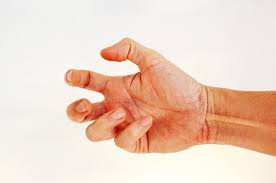
Over time, muscle mass may shrink, and in severe cases, the little finger and ring finger may bend, creating a "claw hand" appearance. If untreated, this condition can lead to permanent disability in the hand.
Diagnosis
Medical Interview
The doctor will typically begin by asking the following questions:
-
What is the main complaint you are experiencing?
-
How long have the symptoms been present?
-
Are there any additional symptoms or concerns?
-
Do you have any relevant medical history?
-
Have you had any previous injuries?
-
What is your general medical history?
-
What are your daily activities and habits?
-
Does anyone in your family have a history of similar health issues?
Physical Examination
After gathering information from the medical interview, the doctor will proceed with a physical test. This will include a general examination to assess your overall health, blood pressure, pulse, respiratory rate, and body temperature. Additionally, the doctor will conduct specific tests on the hand and arm to check for signs of nerve issues.
The doctor will evaluate the patient's ability to grip objects and move the fingers. They will also examine the areas where the ulnar nerve travels, from the hand to the elbow, to check for any pain, tingling, or numbness from the elbow to the little and ring fingers.
Diagnostic Tests
In addition to the physical examination, further diagnostic tests may be required to confirm the diagnosis of ulnar nerve entrapment. These may include:
- Electromiography (EMG)
This test evaluates the electrical activity in the nerves and muscles, measuring how well electrical signals travel through the nerves to activate muscles.
- MRI, Ultrasound, or X-ray
These imaging tests can detect signs of nerve compression and help rule out other potential causes of symptoms, such as arthritis, ligament injuries, fractures, or joint dislocations.
Management
Mild cases of ulnar nerve entrapment may improve on their own. However, treatment options are typically divided into non-surgical and surgical approaches.
Non-surgical Management
-
Nonsteroidal anti-inflammatory drugs (NSAIDs) can help reduce swelling and alleviate pain caused by nerve irritation.
-
Therapy focuses on improving flexibility and teaching techniques to perform daily activities without further aggravating the ulnar nerve.
-
Wearing a splint or brace to support the wrist or elbow can help minimize pressure on the affected nerve.
If non-surgical treatments do not resolve the issue, surgery may be necessary, especially if muscle weakness or atrophy develops, or if conservative treatments fail.
Surgical procedures may be recommended to:
-
Relieve pressure on the ulnar nerve.
-
Remove any tumors or cysts that are compressing the nerve.
-
Change the position of the ulnar nerve to prevent further compression.
Complications
If ulnar nerve entrapment is left untreated, it can lead to permanent motor and sensory nerve issues. Motor problems may include an inability to move the affected part of the body, while sensory problems can result in the loss of sensation, such as the inability to feel heat, cold, pain, or even numbness.
Prevention
There are several steps you can take to reduce your risk of developing ulnar nerve entrapment:
-
If your daily activities involve bending your elbows for extended periods, make sure to stretch your arms regularly.
-
Try not to keep your elbows in the same position for long stretches, especially when sitting at a desk or working on a computer. Using a towel as a pillow at night can prevent sleeping with your elbows bent for prolonged periods.
-
Engage in regular physical activity for at least 30 minutes, 3 times a week. Yoga, pilates, or swimming are excellent exercises that can help stretch the muscles of the arm.
-
Increase your intake of foods rich in vitamin B and magnesium to support nerve health. These include bananas, nuts, oatmeal, whole grains, red meat, and milk.
When to See a Doctor?
Consult a doctor if you experience symptoms of ulnar nerve entrapment, especially if the symptoms worsen or have persisted for 2-3 months. It is also advisable to seek medical attention if these symptoms interfere with your ability to perform even light daily tasks.
Looking for more information about other diseases? Click here!
- dr Hanifa Rahma
Cleveland Clinic - Ulnar Nerve Entrapment. (2022). Retrieved 25 August 2022, from https://my.clevelandclinic.org/health/diseases/22272-ulnar-nerve-entrapment.
DD. Davis, SM. Kane, Ulnar Nerve Entrapment. (2022). Retrieved 25 August 2022, from https://www.ncbi.nlm.nih.gov/books/NBK555929/.
Osmosis - Ulnar Nerve Entrapmemt (2022). Retrieved 25 August 2022, from https://www.osmosis.org/answers/ulnar-nerve-entrapment.
S. Athwal, G., & D. Keener, J. (2020). Ulnar Nerve Entrapment at the Elbow (Cubital Tunnel Syndrome) - OrthoInfo - AAOS. Retrieved 13 September 2022, from https://orthoinfo.aaos.org/en/diseases--conditions/ulnar-nerve-entrapment-at-the-elbow-cubital-tunnel-syndrome/.