Definition
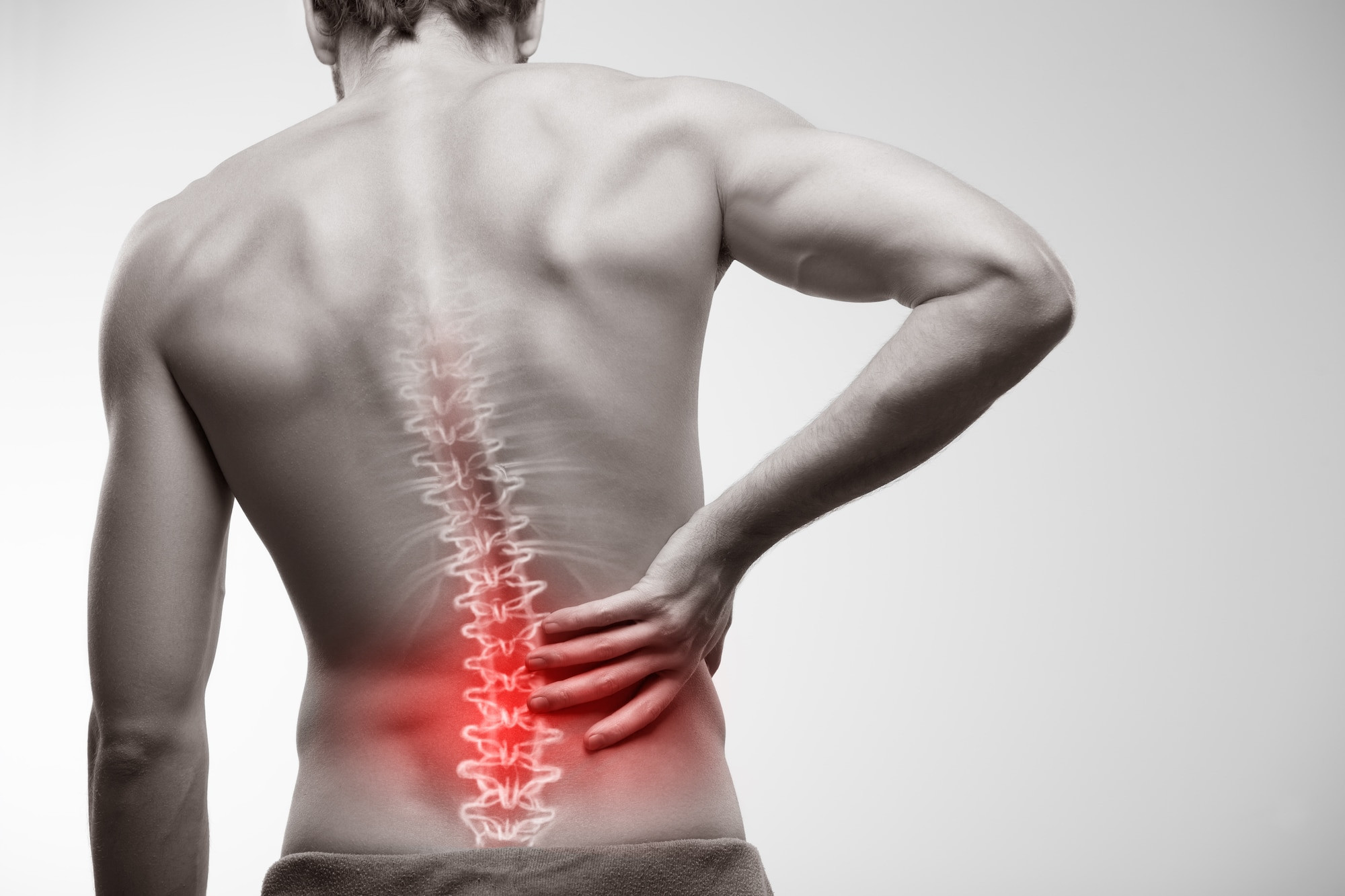
Complete spinal transection is a form of spinal cord injury where the entire width of the spinal cord is damaged at a specific level. This level refers to the location of the spinal cord injury, ranging from the neck (cervical) to the lower back (lumbar).
Cause
The spinal system (spinalis medium) is part of a central nervous system that functions as a wire' of the coupling between the body and the brain. The spinal system generally has three functions, namely continuing the stimulated from the outside and within the body (sensoric), continuing orders from the brain to move the muscles in the body (motoric), as well as regulating the work of the organs of the body that work unconsciously (autonomous).
Injuries to the spinal cord can be caused by various things, namely injuries and other medical conditions. Injuries most often occur due to traffic accidents, especially those involving motorized vehicles. In addition, injuries can occur due to falling, physical violence, exercise, and surgery. Meanwhile, the medical condition that can cause spinal cord injuries is osteoporosis or spinal loss.
In a complete spinal connection, one or part of the spinal cord level is injured in all parts. Like power tools that die when the cable is cut off, the body's organs can experience problems if the spinal cord is injured. The organs involved are strongly affected by the degree of the spinal cord that is injured, which will be further explained in the Symptom section.
Risk Factors
The risk factor of spinal cord injury is highly dependent on age and causes. At the age of the child, this injury most often occurs due to negligence in the use of seat belts while driving by car, and falls. At a young age, exercise involving collisions is very risky to cause injury. At an adult age, the use of alcohol is often a risk factor for traffic accidents. In addition, work that can cause falling from a height is also a risk factor. At an advanced age, osteoporosis and falls are the main risk factors for spinal cord injury.
Symptoms
Generally, the symptoms experienced by people with spinal cord injuries are the loss of the ability to move the muscles, feel the sensation of pain, temperature, vibration, touch, and position in the body which is regulated by the spinal cord level below the injury. In a complete spinal transaction, the symptoms are very dependent on the level of the spinal cord that is injured:
- If an injury occurs in the waist (lumbul), paralysis and loss of sensation occurs in the leg to the leg. In addition, sufferers can experience difficulties in controlling bowel movements and urination, as well as experiencing disorders of the function of sexual organs.
- If an injury occurs at the chest level (toraxal), the disorder is exact with a lumbar injury, coupled with chest and back muscle paralysis. This can cause sufferers to have difficulty maintaining body posture.
- If an injury occurs in the neck (servical), the disorder is exactly with a toracal injury, coupled with paralysis in the entire arm and leg, which is referred to as tetraplegia (the paralysis of four members of movement). However, if an injury occurs at a higher level, respiratory distress can occur. This is due to a breakdown of the nerves that regulates the movement of the diaphragm, one of the muscles involved in the breathing.
Diagnosed
As with other spinal cord injuries, examinations to look for life-threatening emergencies are urgently needed. This examination can involve examinations related to respiratory tract, breathing, and blood circulation. This is done because shock or failure of the function of the body's organs can occur due to injury. Syok can occur due to bleeding or damage from the spinal cord itself. After these examinations are carried out, various efforts to stabilize the patient's condition will be carried out before carrying out other examinations.
In addition, a neural examination from head to leg is needed to look for injury disorders. This examination can be done by providing abrasion stimulate, hot or cold temperature, vibration, and a certain position on the limbs to see the sensory function. In addition, you will be asked to move certain limbs to see the motor function. Meanwhile, autonomous function checks can be carried out in various ways, for example by lung and heart examinations, as well as rectal touche (RT) which is done to check muscle strength on the anus.
Laboratory examinations that can be carried out are in the form of complete blood tests to see how much blood is lost during injury. In addition, examination of blood gas analysis can be done to find out the function of breathing. Lactic examination can also be carried out if the patient is in shock. Urinalysis or urinary examination can be done to find out if there are injuries to the genitals and bladders.
Meanwhile, imaging can be started from X-ray photos to look for an injured part of the spine. If available, Computed Tomography (CT) scans can be done quickly and can detect various abnormalities more easily than X-ray photos. If the patient's condition is stable, Magnetic Resonance Imaging (MRI) can be done to find disorders in the spinal cord and soft tissues around the spine.
Laksana Procedure
If you find someone suspected of having a spinal cord injury, there are a few things you can do:
- Don't move that person because it can cause further injury
- Immediately secure the surrounding environment and call for medical assistance
- Keep the victim from moving
- Place a thick towel around the neck or hold the neck and head so it doesn't move too much
- Stop bleeding that can be seen and make the victim comfortable without moving his head and neck.
The management in the ER begins with the stabilization of life-threatening circumstances. This stabilization in general begins by securing the airway and securing the neck so as not to move excessively (airway), control breathing (breathing), and blood circulation (circulation). Installation of infusions for giving fluids is often needed if the patient experiences shock.
If necessary, surgery can be done immediately. This eclipse is usually done to lower pressure on the spinal cord due to damage to surrounding tissue, blood clots, or foreign objects, bone stabilization, and prevent pain.
Treatment will usually be carried out in intensive units, so that sufferers get strict supervision.
Together with recovery, rehabilitation can be carried out. This rehabilitation is carried out to improve the function of the disturbed body as much as possible. This rehabilitation can involve physical, ocuption, and psychological therapy. Physical therapy and occupancy are carried out to train patients in carrying out their daily functions, ranging from breathing, eating, defecating, moving, and so on. Psychological therapy is indispensable because people with complete spinal transcendence lose various functions in their life and are prone to depression.
Complications
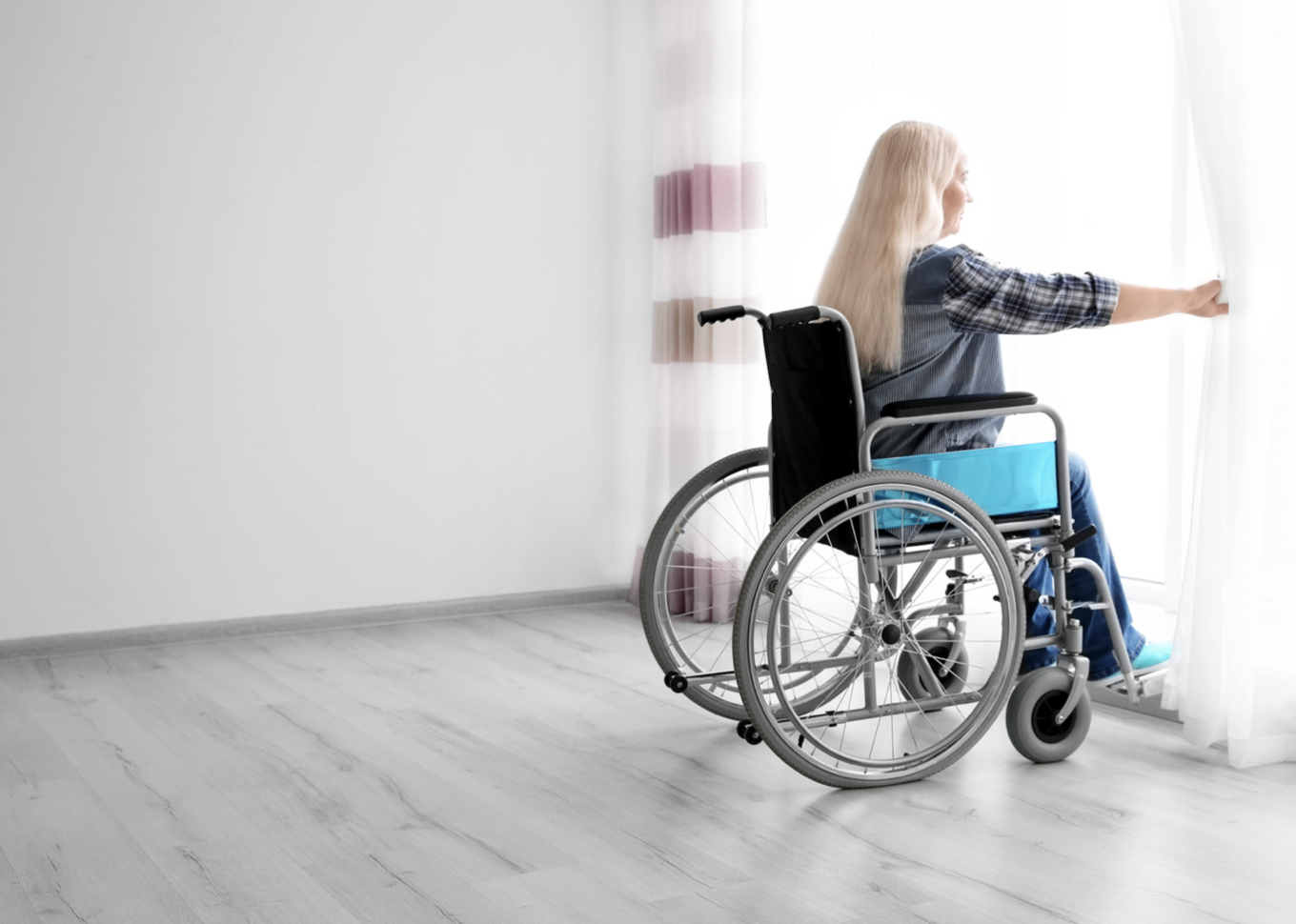
Spinal injury in any form is very difficult to recover as normal. Complete spinal reconnection can cause severe dependence due to the inability to feel sensation, move muscles, and perform daily functions such as urination. Complications that can occur are in the form of urinary tract infections, pressure wounds due to too long persisting in the same position, chronic pain, and reflexive disorders such as low blood pressure due to changes in position from sleeping to sitting.
Prevention
The complete spinal transport prevention is similar to the prevention of spinal cord injuries in general, such as:
- Driving safely, for example by wearing a helmet while riding on a motorbike or using a seat belt while driving a car.
- Check the depth of the water when you want to jump from a high place. Do not jump if the depth is less than 3.7 meters or if the depth is not known.
- Prevent falling in the elderly by using sticks and safety such as handrail next to the bed.
- Be Careful When exercising. Use the appropriate safety equipment when exercising, especially sports involving collisions.
- Don't drink alcohol while driving, and should refuse to drive if the driver of the vehicle is drunk or has just been drinking alcohol.
When Do You Have To Go To A Doctor?
Immediately go to the doctor if you see other people suffering injuries, falls, and other accidents, especially when it involves their backs. Complete spinal reconnection is often realized when the patient is unable to move the limbs and loses all sensations to the affected body. However, this can only be realized some time after the accident occurs. The sooner the treatment is done, the lower the risk of injury gets worse, and the higher the chance of victims to recover.
Want to know information about other diseases? Check here, yes!
- dr. Alvidiani Agustina Damanik