Definition
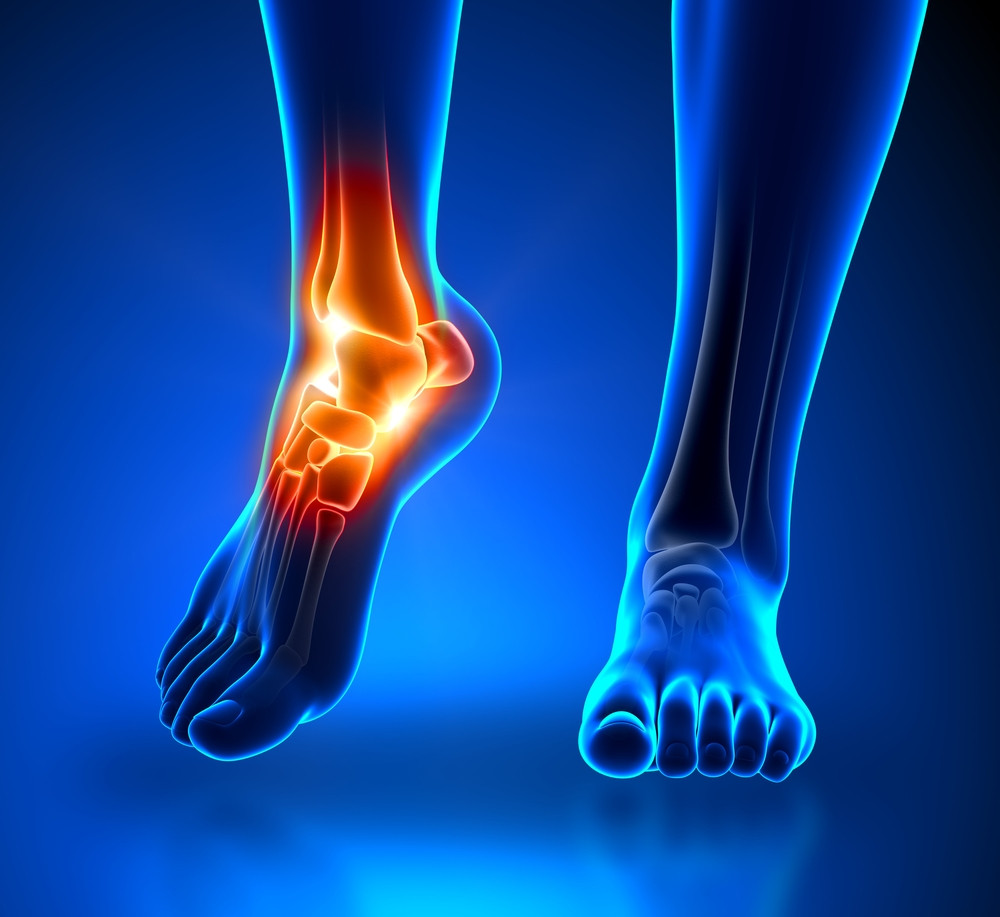
A tarsal fracture refers to a break in one of the bones in the foot's tarsal region. The foot is made up of 26 bones, and the tarsal bones are the seven bones located in the back portion of the foot. These include the calcaneus, cuboid, navicular, talus, and three cuneiform bones. Tarsal fractures, specifically midfoot fractures, account for only a small percentage of all foot injuries.
Causes
Tarsal fractures typically occur due to trauma or overuse of the foot (e.g., stress fractures). While midfoot fractures are relatively uncommon, overuse injuries account for about one-third of all stress fractures.
Common causes of tarsal fractures include:
-
Motor vehicle accidents
-
Direct impact or rotational injuries to the foot or ankle
-
Repeated exposure to heavy loads or stress on the foot
-
Landing incorrectly on the foot and ankle
-
Excessive stretching of the posterior tibial tendon
Additionally, tarsal fractures due to overuse are common among young adults and athletes. While the exact mechanism for these fractures is still not fully understood, they are believed to result from microfractures (small, cumulative fractures over time).
Risk Factor
Several factors can increase the risk of tarsal fractures, including:
-
Participation in sports involving physical contact, long-distance running, or jumping and landing, such as basketball or volleyball
-
A history of foot injuries, such as sprains (stretching or tearing of ligaments), joint dislocations (separation of bones at a joint), or repeated foot joint injuries
-
Lack of strength and flexibility training
Symptoms
Tarsal fractures, especially those caused by sudden trauma, may present with the following signs:
-
Sudden pain at the time of injury, which gradually worsens with weight-bearing activities. The pain may be sharp or dull when standing or walking.
-
Swelling or bruising around the foot
-
Numbness or vague discomfort in the foot
-
Difficulty supporting weight on the foot
-
Loss of foot function
-
Deformity of the foot in more severe cases
If the pain worsens with weight-bearing over time, it is more likely to indicate a stress fracture.
Diagnosis
To diagnose a tarsal fracture, the doctor will first conduct a medical interview and a physical examination, particularly focusing on the leg area. Along with complaints of pain and swelling, the doctor will assess the leg's functionality, checking for decreased movement or any other issues. A thorough evaluation of nerve and blood vessel function in the injured area will also be conducted.
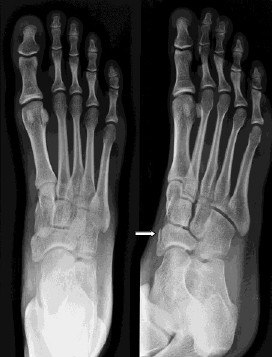
If a tarsal fracture is suspected, imaging tests such as X-rays of the leg from three different angles are commonly recommended. A CT scan may be used if the injury is due to a motor vehicle accident, collision, or explosion. The CT scan helps to detect complex fracture patterns and can be crucial for planning any necessary surgery.
Management
For first aid, particularly for minor fractures, you can take the following steps:
-
Rest the injured leg and avoid activities that might worsen the pain.
-
Apply a cold compress during the first 72 hours to help reduce pain and inflammation. The cold compress should be applied for 15 minutes every 2-3 hours.
-
When resting, keep the injured leg elevated above heart level to reduce swelling.
-
Painkillers can be taken to help alleviate the pain.
Treatment for tarsal fractures can vary based on the fracture's location, severity, the number of bones involved, the degree of bone displacement, the patient's overall health, and the condition of the surrounding tissue. In general, the foot will be placed in a cast for 6-8 weeks, and the patient will need to rest. Special footwear, such as a walking boot or the use of crutches, may be recommended to reduce stress on the foot.
For severe fractures or multiple breaks, surgery may be required to realign the bones and restore the foot's function. Surgical treatment is often considered for patients with demanding physical jobs, like athletes. After surgery, strengthening and stretching exercises for the foot's joints and muscles are typically necessary, often performed with the assistance of a physiotherapist.
Complications
Several complications can arise from tarsal fractures, including:
- Osteonecrosis
This occurs when bone tissue dies due to a lack of blood supply, often due to the fracture. Osteonecrosis can lead to severe foot deformities.
- Malunion and Nonunion
Malunion occurs when the bone heals incorrectly, resulting in an abnormal shape. Nonunion refers to the failure of the bone to heal completely, leading to continued pain and potential deformities in the foot.
- Impaired Blood Flow to the Foot
Excessive bleeding in the foot can increase pressure on blood vessels and nerves, potentially leading to further damage. In severe cases, impaired blood flow can cause bone death.
- Various Symptoms
If the fracture is not properly treated, persistent stiffness, pain, or swelling in the foot may occur.
Prevention
Tarsal fractures are common in athletes who overuse their feet. To reduce the risk of injury, it’s important to implement proper training, technique, and use appropriate equipment.
Here are some steps you can take to help prevent tarsal fractures:
-
Warm up and stretch properly before engaging in sports or physical activities.
-
Maintain overall body health, focusing on cardiovascular fitness, strength, flexibility, and resistance training.
-
For sports that involve jumping, landing, or physical contact, protect your joints with supportive equipment such as braces, elastic bands, tape, and high-top athletic shoes.
-
Wear properly fitting shoes. Ill-fitting footwear can make your feet more vulnerable to injury.
-
Ensure that any protective equipment you wear fits properly and comfortably.
When to See a Doctor?
If you experience a foot injury, it’s essential to see a doctor. Untreated fractures can lead to long-term complications that negatively impact your quality of life. Seeking treatment early typically results in a better healing outcome.
Looking for more information about other diseases? Click here!
- dr Hanifa Rahma
About The Author Mike Walden Mike is creator & CEO of Sportsinjuryclinic.net. A qualified Sports Injury Therapist with a degree in Physical Education (2022) Tarsal fracture - symptoms, causes, treatment & rehabilitation, Sportsinjuryclinic.net. Available at: https://www.sportsinjuryclinic.net/sport-injuries/foot/midfoot-pain/tarsal-fracture (Accessed: December 27, 2022).
Bell, D.J. (2021) Tarsal fracture: Radiology reference article, Radiopaedia Blog RSS. Radiopaedia.org. Available at: https://radiopaedia.org/articles/tarsal-fracture (Accessed: December 27, 2022).
Tarsal navicular fractures - statpearls - NCBI bookshelf (2022). Available at: https://www.ncbi.nlm.nih.gov/books/NBK542221/ (Accessed: December 27, 2022).
Themes, U.F.O. (2016) Tarsal fracture, Musculoskeletal Key. Available at: https://musculoskeletalkey.com/tarsal-fracture/ (Accessed: December 27, 2022).