Definition
Osteogenesis imperfecta (OI), also known as brittle bone disease, is a rare genetic bone disorder present at birth. Children born with osteogenesis imperfecta often have fragile bones that break easily without any clear cause. These children may not grow normally and could have various other health issues.
As a congenital condition, osteogenesis imperfecta is likely to run in families. It occurs in approximately 1 to 10 people in every 20,000, affecting both males and females equally. Symptoms of OI vary significantly, even within the same family, and range from mild to severe.
Osteogenesis imperfecta is classified into several types based on severity, symptoms, the gene mutation involved, and findings from supporting tests. The four main types of OI are:
- Type I
This is the mildest and most common form of OI, making up about 50% of all OI cases. People with Type I have fragile bones that break easily, but no abnormal bone deformities are usually present.
- Type II
Type II OI is the most severe form of osteogenesis imperfecta. Babies with this type may not be able to breathe on their own and often pass away within weeks of birth. This type can cause multiple fractures before birth, very short limbs, a small chest, and a soft skull.
- Type III
Type III often causes fractures at birth, leading to severe physical limitations or disabilities. Spinal deformities may also develop, resulting in short stature. Children with Type III OI may also have other congenital abnormalities.
- Type IV
Children with Type IV OI typically experience their first fracture before puberty and may have mild to moderate bone deformities.
Causes
Osteogenesis imperfecta (OI) is caused by genetic mutations in the COL1A1 or COL1A2 genes. These mutations can occur spontaneously without any known reason, or they can be inherited from one or both parents.
In most cases, children with OI have mutations in one or both of the genes that are responsible for forming collagen. Collagen is an essential protein found in bones and connective tissues like tendons, skin, and the sclera of the eye. These genetic changes cause collagen to be abnormal, which weakens the bones.
Some parents may unknowingly carry the abnormal gene and pass it on to their children. Although these parents may not develop OI themselves, their children may be born with the condition if they inherit the mutated gene.
Risk Factor
There is no specific gender preference for osteogenesis imperfecta. The risk of a child being born with OI is higher if a family member has the disease. If a parent carries the abnormal gene, there is a chance it can be passed on to the child.
Symptoms
The symptoms of osteogenesis imperfecta can vary greatly depending on the type of OI. The severity of symptoms ranges from mild to severe, and even within the same family, the age at which fractures occur and the specific symptoms experienced can differ.
Common symptoms of OI include:
-
Bone that fractures easily
-
Bone deformities, such as an enlarged sternum or curved legs and spine
-
Bone pain
-
Bluish discoloration of the sclera (the whites of the eyes)
-
A bulging or barrel-shaped chest
-
Abnormal curvature of the spine
-
A triangular-shaped face, with the lower face appearing thin and triangular
-
Loose joints and weak muscles
-
Short stature
Since osteogenesis imperfecta affects collagen production, additional symptoms may include:
-
Hearing loss during young adulthood
-
Soft, weak, and discolored teeth
-
Breathing difficulties
-
Easy bruising
Diagnosis
To diagnose osteogenesis imperfecta, the doctor will gather information about the child’s medical history, the family’s medical history, the mother’s pregnancy and childbirth history, and the symptoms the child is showing. The doctor will perform a physical examination to assess the symptoms and how they affect the body.
The doctor may refer you to a specialist, such as a geneticist or orthopedic surgeon, for further evaluation. Tests that may be recommended include:
-
Genetic testing to detect any genetic mutations in the child.
-
Bone density testing to assess the mineral content of the bones.
-
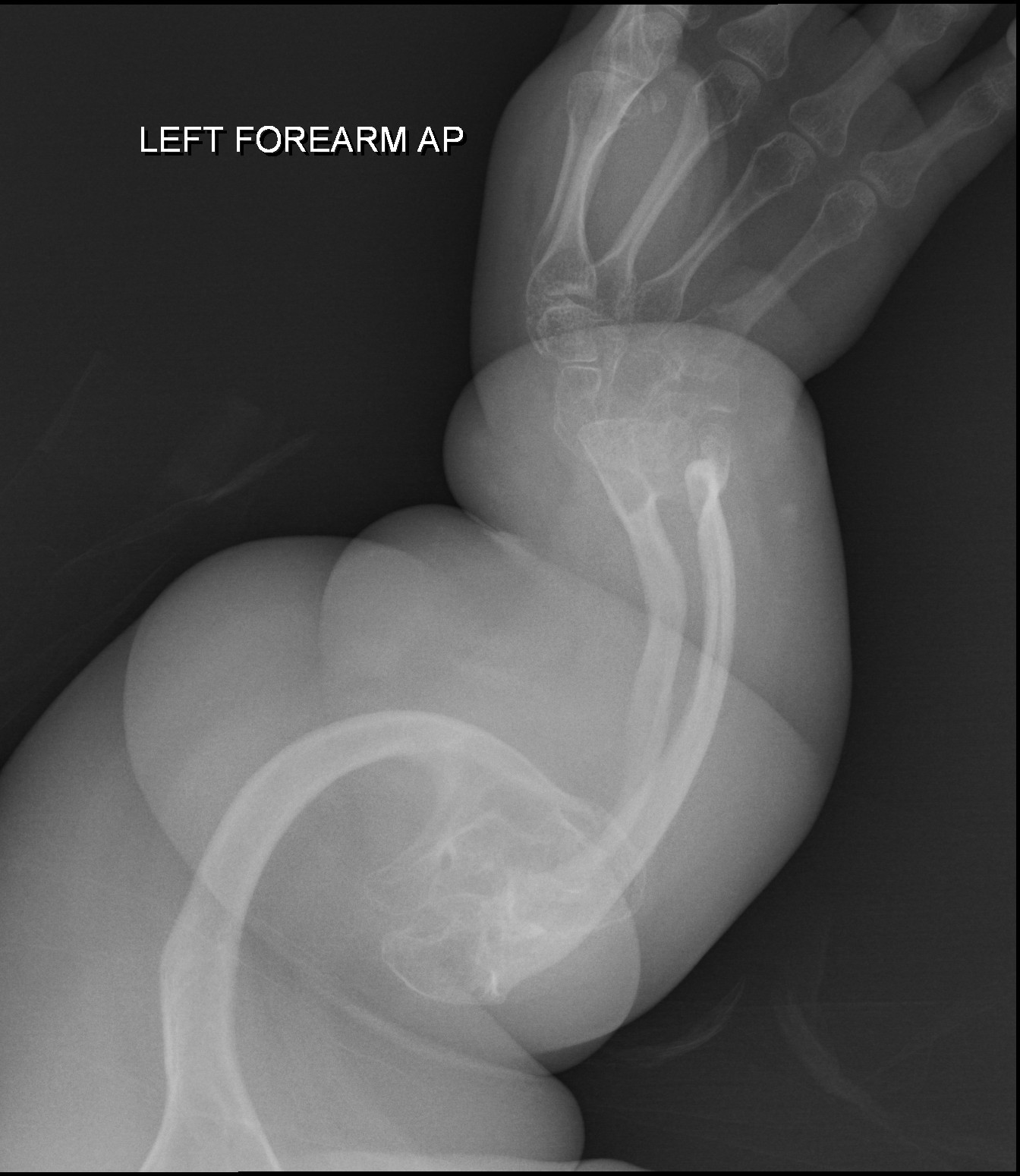
Imaging tests, such as X-rays, ultrasound, or DEXA scans (Dual Energy X-ray Absorptiometry), to identify bone abnormalities.
Management
Treatment for osteogenesis imperfecta will be tailored to the child’s specific needs and will consider factors such as:
-
The child’s age and current condition
-
The child’s overall medical history
-
The severity of symptoms
-
The child’s tolerance for certain medications or therapies and any serious side effects
-
The family’s preferences regarding treatment options
Therapeutic approaches will focus on managing the symptoms present in each patient. The primary goal is to prevent bone deformities and fractures. Treatment will also aim to maintain the child’s ability to move and walk properly while strengthening muscles and bones.
The following treatment options may be recommended for managing osteogenesis imperfecta:
-
Bisphosphonate therapy to enhance bone strength and mass, helping to prevent frequent fractures.
-
Exercise and physical therapy to strengthen muscles, reduce the risk of fractures, improve weight-bearing capacity, and help prevent fractures.
-
Fracture treatment, which may include surgery if bones break repeatedly or if bones deform and become heavier.
-
Dental procedures to address abnormalities in the teeth and jaw.
-
Routine checkups, especially to evaluate hearing, spine, lung, and heart function.
-
Assistive devices, such as wheelchairs, to aid in maintaining independence as children grow older.
Complications
Children with osteogenesis imperfecta may experience complications affecting multiple organs. The likelihood of developing these complications depends on the type and severity of OI. Potential complications include:
-
Respiratory infections, such as pneumonia
-
Heart issues, including heart valve dysfunction
-
Kidney stones
-
Joint disorders
-
Hearing problems
-
Vision issues or eye abnormalities
Prevention
Since osteogenesis imperfecta is a genetic condition, genetic testing can help determine whether you are a carrier of the mutated gene.
If you or your partner have OI or a family history of OI, it is advisable to consult a genetic counselor. They can provide guidance on your child’s risk of developing OI.
When to See a Doctor?
You should contact a doctor if your child experiences frequent fractures, especially if they occur without a clear cause, such as an accident.
Looking for more information about other diseases? Click here!
- dr Hanifa Rahma
Osteogenesis imperfecta (2022) Osteogenesis Imperfecta | Johns Hopkins Medicine. Available at: https://www.hopkinsmedicine.org/health/conditions-and-diseases/osteogenesis-imperfecta (Accessed: November 17, 2022).
Osteogenesis imperfecta: Types, symptoms & management (2021) Cleveland Clinic. Available at: https://my.clevelandclinic.org/health/diseases/15807-osteogenesis-imperfecta-oi (Accessed: November 17, 2022).
Osteogenesis imperfecta (2021) NORD (National Organization for Rare Disorders). Available at: https://rarediseases.org/rare-diseases/osteogenesis-imperfecta/ (Accessed: November 17, 2022).