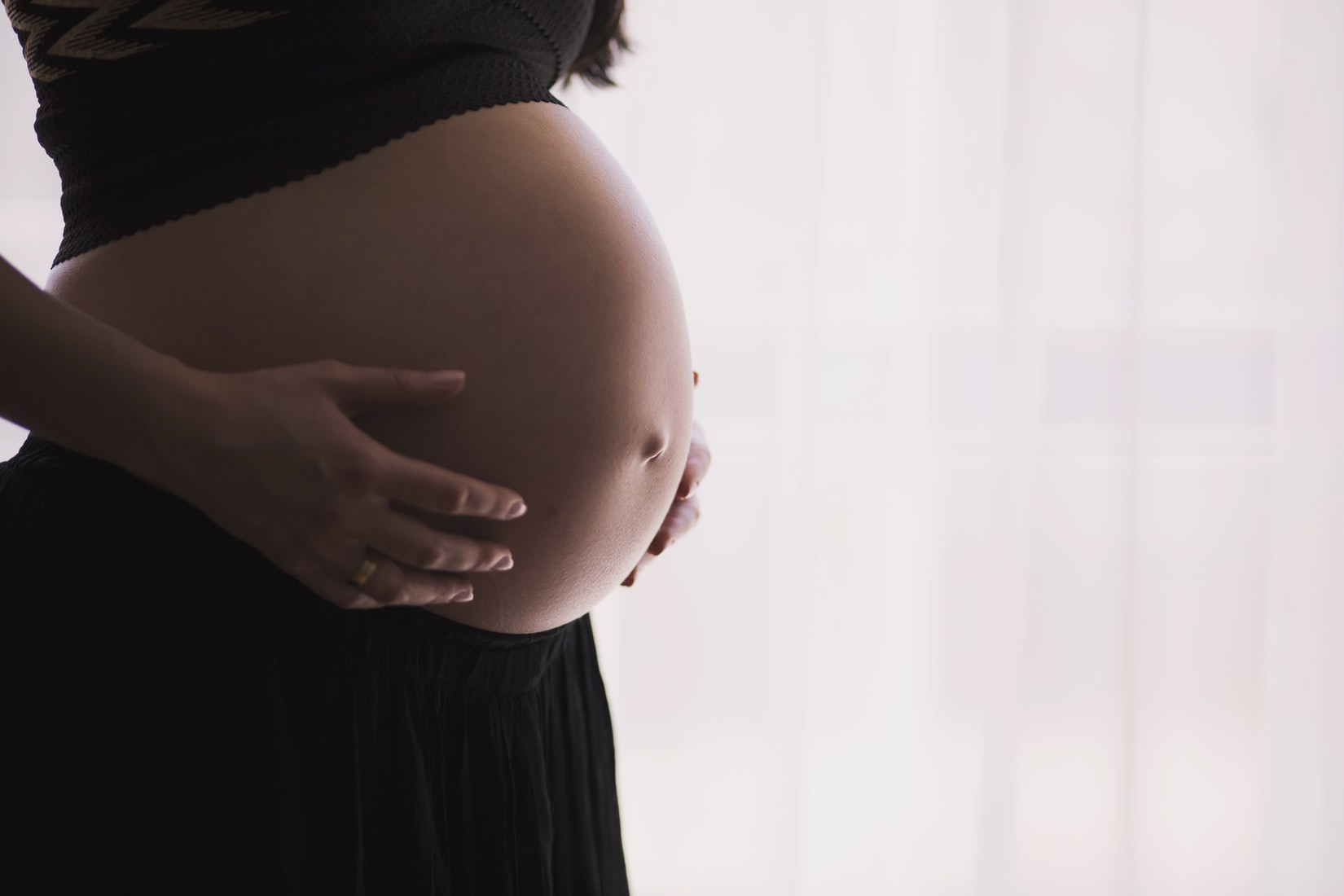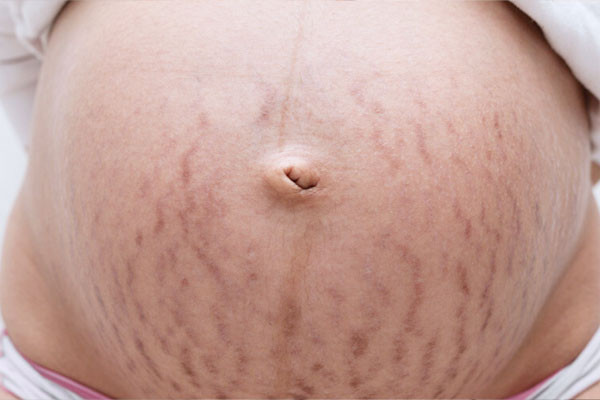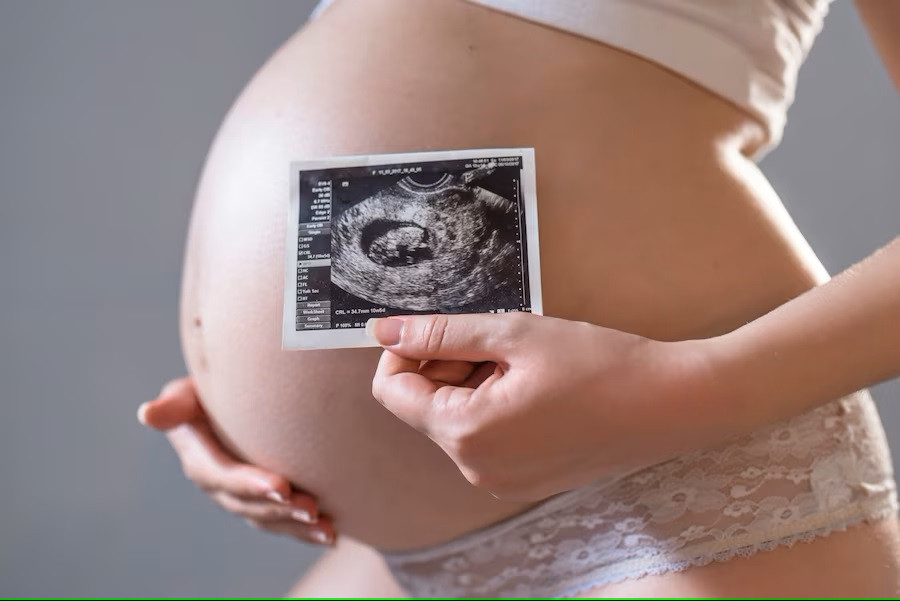

Weight gain during pregnancy is a natural and important process, essential for supporting the growth and development of the fetus, as well as maintaining the mother's health. This weight change is part of the body’s preparation for childbirth and breastfeeding.
However, understanding what constitutes normal weight gain is crucial. Gaining too much weight can pose health risks to both the mother and the baby.
Ideal Weight Gain During Pregnancy
Several factors affect weight gain during pregnancy, including pre-pregnancy weight, gestational age, the number of fetuses (singleton or multiple), diet, and physical activity.
Experts recommend weight gain based on your pre-pregnancy body mass index (BMI), which is categorized as follows:
BMI < 18.5 (Underweight)
For those with a BMI below 18.5 before pregnancy (underweight), a weight gain of 12.5 - 18 kg is recommended during pregnancy.
BMI 18.5-24.9 (Normal Weight)
If your BMI was within the normal range (18.5 - 24.9) before pregnancy, the recommended weight gain is 11.5 - 16 kg during pregnancy.
BMI 25-29.9 (Overweight)
For those considered overweight (BMI 25 - 29.9) before pregnancy, the ideal weight gain during pregnancy ranges from 7 - 11.5 kg.
BMI ≥ 30 (Obesity)
If you had obesity (BMI ≥ 30) before pregnancy, a healthy weight gain of 5 to 9 kg is recommended. However, close medical monitoring is essential in this case to minimize health risks for both the mother and the fetus.
Twin Pregnancy
For women carrying twins or multiple pregnancies, the recommended weight gain is generally higher. For those with a normal weight before pregnancy, the ideal weight gain ranges from 15 to 20 kg.
The Impact of Abnormal Weight Gain During Pregnancy
Gaining too little or too much weight during pregnancy can negatively affect the health of both the mother and the baby. Insufficient weight gain can increase the risk of premature birth or low birth weight (LBW).
On the other hand, excessive weight gain can lead to complications such as gestational diabetes, hypertension, preeclampsia, difficulties during labor, and challenges losing weight after childbirth.
Maintaining Healthy Weight Gain During Pregnancy
To help ensure healthy weight gain during pregnancy, you can take the following steps:
-
Eat a balanced, nutritious diet daily.
-
Avoid crash diets, especially in the second and third trimesters, while still being cautious of overeating.
-
Engage in regular light exercise, such as walking, prenatal exercises, or pregnancy yoga.
-
Attend regular prenatal checkups with a doctor or midwife.
With good planning and proper medical monitoring, a pregnancy can be safer, healthier, and more comfortable. If you have any concerns about pregnancy or weight gain, it’s advisable to consult with a doctor or use the consultation feature available on the Ai Care app, downloadable from the App Store or Play Store.
Looking for more information about pregnancy, breastfeeding, women's and children's health? Click here!
- dr Hanifa Rahma
MSD Manual. Guidelines for Weight Gain During Pregnancy. Available from: https://www.msdmanuals.com/professional/multimedia/table/guidelines-for-weight-gain-during-pregnancy
Medline Plus (2024). Managing your weight gain during pregnancy. Available from: https://medlineplus.gov/ency/patientinstructions/000603.htm
Mayo Clinic (2024). Pregnancy weight gain: What's healthy?. Available from: https://www.mayoclinic.org/healthy-lifestyle/pregnancy-week-by-week/in-depth/pregnancy-weight-gain/art-20044360
Pregnancy Birth & Baby (2024). Weight gain in pregnancy. Available from: https://www.pregnancybirthbaby.org.au/weight-gain-in-pregnancy