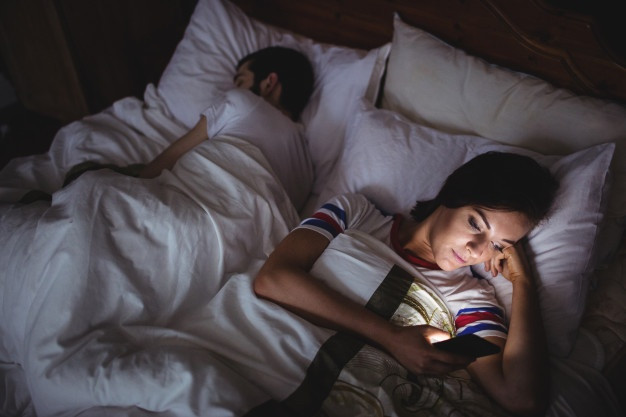
A pledge made for life does not always guarantee loyalty inside a marriage. Many spouses break their promise and engage in infidelity, often fully aware that cheating is wrong.
Verywell Mind reports research showing that men are more likely to be unfaithful than women. Men often cheat to gain attention and satisfy sexual needs. For many men, sex functions as a key form of communication and closeness. When intimacy is refused, some men interpret the rejection as feeling unloved.
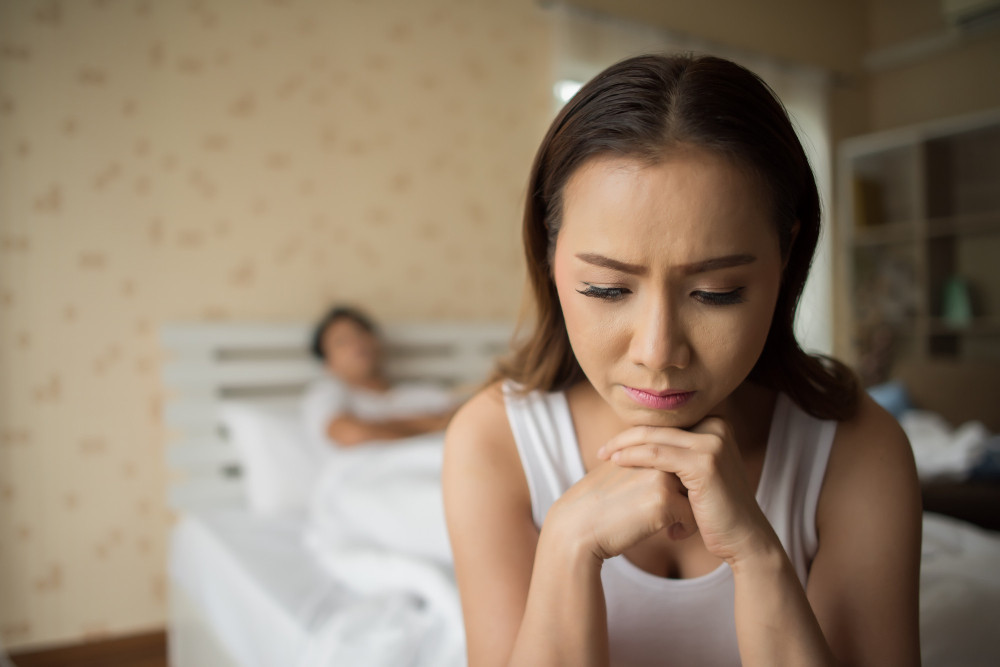
Women, in contrast, tend to seek affairs to fill an emotional gap. Many report disharmony in their relationships and a desire to feel valued and wanted. When women feel overlooked or dismissed, they may look for emotional connection outside the marriage.
A 2019 study by Selterman, Garcia, and Tsapelas, summarized by Psychology Today, surveyed people who had cheated on a partner. About 95 percent reported sexual or physical infidelity. The researchers grouped the reported motives into several core causes of infidelity, outlined below.
Falling in Love
The dopamine surge of new love rarely lasts. Passion and excitement often cool with time. Many participants admitted they no longer felt in love with their partner, which they cited as a reason for cheating.
Low love and weak commitment are closely linked to dissatisfaction. Some respondents acknowledged that limited commitment to their partner fueled their decision to be unfaithful.
Boredom
People who enjoy the pursuit and the excitement of a new connection are more prone to cheat and partner-hop. This does not always reflect a lack of love for the current partner. Instead, they want novelty to push back against boredom. Research has noted that men cheat because of boredom more often than women.
For others, cheating serves to boost ego and self-worth. Roughly half of respondents said infidelity helped restore confidence, since meeting new people made them feel attractive, desirable, and in control.
Feeling Neglected, Angry, Frustrated, or Resentful
A shortage of attention and affection leaves many feeling ignored. A large proportion of female participants reported cheating because they felt neglected by their partner. Nearly half also admitted they used cheating as a way to punish or get back at a partner. Ongoing frustration inside a marriage can act as a trigger for infidelity.
Situational Factors
Not everyone cheats because love has ended. Situational pressures often set the stage. MedicineNet highlights several examples:
-
Being in a long-distance relationship
-
Traveling and meeting someone appealing
-
Periods of low self-esteem
-
Seeking physical comfort after a stressful event
-
Working in environments that foster emotional closeness and frequent physical contact with colleagues
Past
Childhood adversity, including physical, sexual, or emotional abuse, as well as neglect, is associated with higher cheating risk, especially when the trauma remains unprocessed. A 2015 study also found that people who saw a parent cheat during childhood had about double the risk of cheating later in life. Further research is still needed to clarify these links.
Sexual Desire
About 32 percent of participants said their affairs were driven by sexual desire despite a committed union. This is often tied to dissatisfaction with intimacy at home and curiosity about new experiences. These feelings frequently arise in otherwise stable marriages where desired frequency, preferred sexual styles, or specific behaviors are no longer happening.
Narcissistic Traits
Verywell Health notes that psychological factors, including narcissistic traits or personality disorders, are connected to cheating. Narcissism can drive infidelity through ego needs and a sense of entitlement. People with narcissistic tendencies may also show limited empathy, which makes them less aware of the harm their behavior causes a partner. This makes personality disorders relevant when considering the causes of cheating and invites the question, what is narcissism, in the context of relationship risk.
Discovering a partner’s affair, or realizing you have cheated, is painful. It remains important to speak openly, express needs, seek forgiveness, and recommit if both partners choose to repair the relationship. If direct conversation is not enough, a skilled couples therapist can help bridge the gap and guide healthier patterns going forward.
Looking for more information about health tips and tricks, first aid, and other home remedies? Click here!
- dr Hanifa Rahma
Stritof, S (2021). Causes and Risks of Why Married People Cheat. Available from: https://www.verywellmind.com/why-married-people-cheat-2300656
Mayo Clinic Staff (2021). Infidelity: Mending your marriage after an affair. Available from: https://www.mayoclinic.org/healthy-lifestyle/adult-health/in-depth/infidelity/art-20048424
Jacob, D (2021). What Is the Main Cause of Cheating?. Available from: https://www.medicinenet.com/what_is_the_main_cause_of_cheating/article.htm
DiDonato, T (2019). The 8 Main Reasons Why People Cheat. Available from: https://www.psychologytoday.com/us/blog/meet-catch-and-keep/201910/the-8-main-reasons-why-people-cheat