
PMS, or premenstrual syndrome, is a condition that affects emotions, physical health, and behavior in the days leading up to menstruation.
PMS is very common in women and is not dangerous, but it can strongly affect mood, leading to fatigue and sometimes irritability. What actually causes this condition?
The exact cause is unclear, but researchers believe that hormonal changes contribute to PMS. Higher levels of the estrogen and progesterone hormones in the body can lead to mood swings, fatigue, and irritability. According to Healthline, some people may even experience depression related to PMS.
According to the NHS, these are PMS symptoms, which may appear differently in each woman.
-
Mood swings
-
Feeling tired, irritable, and easily upset
-
Feeling tired yet having trouble sleeping well
-
Bloating and abdominal discomfort
-
Breast tenderness
-
Headaches
-
Skin breakouts
-
Oilier hair
-
Changes in appetite
How to Deal With PMS
PMS cannot be cured, but there are many ways to manage the symptoms so they will not cause you to have a hard time with your daily activities. According to Healthline, here are steps that you can do:
-
Drink plenty of water to ease bloating
-
Increase your intake of fruits and vegetables, and reduce your intake of foods high in sugar, salt, caffeine, and alcohol
-
Take supplements of folic acid, vitamin B-6, calcium, and magnesium to help reduce mood swings and stomach cramps
-
Take vitamin D to help reduce PMS symptoms
-
Sleep at least 8 hours a day to prevent fatigue
-
Do light exercise to help prevent bloating
-
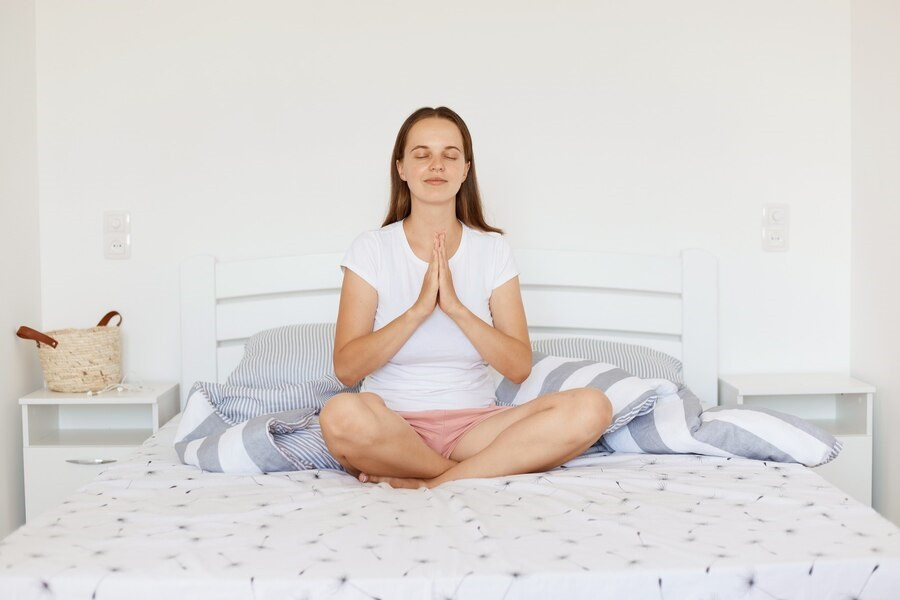
Practice relaxing activities to reduce stress
You can also take medications such as aspirin or ibuprofen if muscle pain makes it hard to function or sleep.
Beware of PMDD, or Premenstrual Dysphoric Disorder
Premenstrual dysphoric disorder is a condition in which PMS symptoms become severe and affect your mental well-being. It is reported that 3–8% of women experience PMDD, and it is recommended to consult a doctor if you have any of the following symptoms:
-
Depression during PMS
-
Suicidal thoughts
-
Panic attacks
-
Severe fatigue
-
Anger related to mood swings
-
Sudden, unexplained crying
-
Not wanting to engage in activities
-
Insomnia
-
Concentration issues
-
Overconsumption
-
Very painful cramps
-
Bloating
In addition to eating nutritious food, exercising, and getting enough sleep, you can also try acupuncture or reflexology to help relax the muscles throughout your body. Drinking warm milk before bed may help you feel more relaxed and comfortable, which can support restful sleep.
Looking for more information about pregnancy, breastfeeding, women's and children's health? Click here!
- dr Hanifa Rahma
Higuera V. PMS: Premenstrual Syndrome (2019). Available from: https://www.healthline.com/health/premenstrual-syndrome.
NHS. PMS: Premenstrual Syndrome. Available from: https://www.nhs.uk/conditions/pre-menstrual-syndrome/.