Definisi
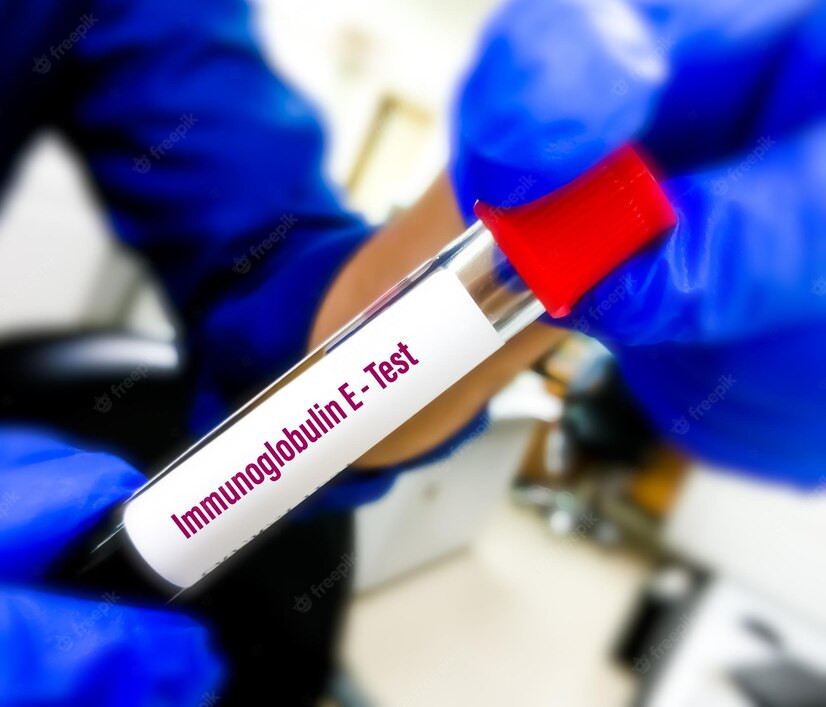
Pemeriksaan IgE dilakukan untuk melihat kadar atau jumlah IgE dalam darah. IgE atau Immunoglobulin E, adalah protein yang dilepaskan oleh sistem kekebalan sebagai bentuk respon perlawanan terhadap suatu zat yang akan menyerang tubuh, dan dapat berupa zat atau senyawa pemicu alergi (alergen), adanya infeksi terutama infeksi parasit seperti cacing, atau adanya penyakit yang menyerang kekebalan tubuh.
Pemeriksaan IgE dapat dilakukan dalam 2 cara, yaitu:
- Pemeriksaan IgE total adalah pemeriksaan dengan menghitung jumlah atau kadar total seluruh IgE dalam darah
- Pemeriksaan IgE spesifik bertujuan untuk mendeteksi kadar IgE spesifik yang dikeluarkan oleh tubuh untuk melawan zat atau materi yang memicu alergi (alergen), digunakan untuk menentukan kondisi alergi pada pasien atau tidak
Dokter biasanya merekomendasikan pemeriksaan IgE spesifik jika pasien dicurigai mengalami alergi. Sementara itu, pemeriksaan IgE total tidak dapat menentukan secara spesifik adanya alergi pada pasien, karena peningkatan pada IgE total dapat menandakan adanya alergi, infeksi parasit atau penyakit yang menyerang kekebalan tubuh. Namun, kedua pemeriksaan ini menggunakan sampel darah pada pemeriksaannya. Kedua pemeriksaan ini juga dapat dilakukan bersamaan secara langsung dengan menggunakan sampel darah yang sama atau dapat dilakukan secara terpisah.
Indikasi
Terdapat beberapa kondisi yang memerlukan pemeriksaan IgE, baik pemeriksaan IgE total ataupun IgE spesifik. Biasanya dokter akan merekomendasikan untuk dilakukan pemeriksaan IgE total jika anda mengalami kondisi atau menderita penyakit dibawah ini:
- Alergi
- Penyakit terkait reaksi alergi, seperti rhinitis (peradangan lapisan hidung) atau asma
- Mengalami gejala gangguan pernapasan yang berlangsung lama
- Sering mengalami gejala kulit seperti kemerahan, gatal-gatal atau biduran
- Mengalami reaksi alergi berat (anafilaksis)
- Infeksi parasit
- Penyakit autoimun, dimana tubuh menyerang sel tubuh sendiri karena mengira sel tersebut merupakan zat asing
- Sebagai salah satu cara untuk memantau keberhasilan terapi
Sedangkan untuk pemeriksaan IgE spesifik dapat dilakukan pada kondisi alergi kronik yang tidak kunjung hilang dan belum diketahui pemicunya. Melalui pemeriksaan ini, dapat diketahui bahan atau materi yang memicu alergi dengan menggunakan makanan atau zat hirup sebagai materi yang memicu reaksi dari IgE spesifik yg dikeluarkan oleh tubuh.
Kontraindikasi
Pada pemeriksaan IgE tidak ada kontraindikasi mutlak atau kondisi tertentu yang membuat seseorang tidak bisa melakukan pemeriksaan ini. Namun terdapat beberapa hal yang perlu diperhatikan jika ingin melakukan pemeriksaan IgE, antara lain:
- Pemeriksaan IgE tidak dianjurkan untuk melihat kekambuhan dari alergi yang muncul
- Pemeriksaan IgE spesifik menggunakan pemicu makanan tidak dianjurkan dilakukan jika tidak ada gejala khas yang mengarah pada reaksi alergi karena makanan
- Pemeriksaan IgE spesifik menggunakan pemicu materi makanan atau senyawa yang dihirup tidak dianjurkan pada pasien yang mengalami biduran, namun dapat dilakukan jika terdapat riwayat terjadinya biduran tersebut disebabkan oleh makanan atau senyawa yang dihirup
Perlu diperhatikan bahwa harga pemeriksaan IgE spesifik dengan bahan makanan harganya cukup mahal. Sehingga pemeriksaan ini harus dilakukan dengan indikasi yang jelas.
Persiapan Sebelum Pemeriksaan
Tidak terdapat persiapan khusus yang harus dilakukan sebelum melakukan pemeriksaan. Namun begitu, bila Anda akan melakukan pemeriksaan ini, Anda perlu menginformasikan obat-obatan yang sedang dikonsumsi pada dokter dan tenaga kesehatan, karena terdapat beberapa obat yang dapat memengaruhi hasil pemeriksaan. Selain itu, jika pemeriksaan IgE dilakukan pada anak Anda, maka anak perlu diedukasi mengenai pemeriksaan yang akan dilakukan. Seperti menjelaskan bahwa pemeriksaan IgE menggunakan jarum suntik untuk mengambil darah, terdapat sedikit rasa sakit namun hanya sebentar.
Prosedur Pemeriksaan
Prosedur pemeriksaan IgE dilakukan dengan melakukan pengambilan sampel darah dengan jumlah sedikit dari pembuluh darah vena (pembuluh darah balik) dengan rincian sebagai berikut:
- Petugas medis akan membersihkan area kulit sebagai tempat pengambilan sampel dengan menggunakan kasa alkohol. Biasanya sampel darah sering diambil di area lengan
- Selanjutnya, petugas medis akan memasang karet elastis di lengan dan pasien akan diinstruksikan untuk mengepalkan tangan, agar memudahkan proses pengambilan sampel
- Setelah itu, petugas medis akan memasukkan jarum suntik ke pembuluh darah yang sudah ditentukan sebelumnya, darah yang diambil akan mengalir ke tabung jarum suntik
- Petugas medis akan melepaskan karet elastik pada pergelengan tangan dan mengeluarkan jarum suntik dari pembuluh darah, bekas suntikan akan ditekan dengan menggunakan kasa alkohol untuk menghentikan darah yang keluar dari pembuluh darah
Setelah selesai pengambilan sampel biasanya Anda akan merasa sedikit nyeri pada area bekas suntikan. Terkadang dapat timbul lebam pada bekas suntikan di beberapa orang, namun hal ini akan cepat mereda. Sampel darah yang diambil akan dianalisis untuk menentukan kadar IgE total yang terdapat dalam darah.
Pada pemeriksaan IgE spesifik, proses pengambilan sampel darah sama dengan yang sudah dijelaskan di atas. Sebelum pengambilan sampel darah, pasien akan dipaparkan terhadap beberapa zat atau bahan yang kemungkinan memicu alergi. Selanjutnya sampel darah akan diambil dan dianalisis untuk melihat kadar IgE spesifik.
Nilai Normal dan Abnormal
Kadar IgE dalam darah normalnya sangat rendah atau bahkan tidak terdeteksi. Namun jika ada kondisi khusus seperti alergi, infeksi, penyakit sistem kekebalan tubuh, atau kanker, kadar IgE dapat mengalami peningkatan. Berikut ini adalah rentang normal kadar IgE total normal dalam darah berdasarkan usia:
| Usia | Kadar IgE (IU/mL) |
| 0 - 4 hari | 0 - 1,5 |
| < 1 tahun | 0 - 15 |
| 1 - 5 tahun | 0 - 60 |
| 6 - 9 tahun | 0 - 90 |
| 10 - 15 tahun | 0 - 200 |
| Dewasa | 0 - 100 |
Nilai abnormal dari pemeriksaan IgE total jika didapatkan hasil di atas batas maksimal dari kadar IgE total berdasarkan usia yang tertera pada tabel di atas. Sementara itu, nilai normal dari pemeriksaan IgE spesifik kurang dari 0,35 kU/L, dan dianggap tinggi bila berada di kisaran >3,50 kU/L.
Hasil dan Saran (Pemeriksaan Lanjutan)
Peningkatan kadar IgE total dalam darah yang melebihi batas normal dapat menandakan adanya beberapa kondisi medis seperti alergi, infeksi, penyakit sistem kekebalan tubuh atau adanya keganasan. Dokter akan menyesuaikan hasil kadar IgE total dalam darah dengan gejala atau riwayat penyakit yang Anda alami. Perlu diingat bahwa kadar IgE total tidak dapat menjadi penentu diagnosis pasti dari keluhan atau gejala yang Anda alami. Oleh karena itu, diperlukan pemeriksaan lain untuk bisa menunjang diagnosis penyakit.
Pada pemeriksaan IgE spesifik, bila ditemukan hasil dalam rentang tinggi, menunjukkan bahwa materi atau bahan pemicu alergi yang digunakan saat pemeriksaan ternyata menimbulkan reaksi alergi yang kuat. Kadar IgE spesifik yang masuk ke dalam kategori sangat tinggi perlu diwaspadai.
Konsultasikan Ke Dokter yang Tepat
Jika Anda melakukan pemeriksaan IgE total dan IgE spesifik dan didapatkan hasil yang tidak normal seperti yang sudah dijelaskan di atas, sebaiknya segera dikonsultasikan lebih lanjut dengan dokter penyakit dalam subspesialis alergi dan imunologi. Dokter nanti akan menentukan tindakan ke depannya, seperti bila Anda memerlukan pemeriksaan atau tata laksana lebih lanjut, agar memperoleh terapi yang tepat.
Mau tahu informasi seputar hasil pemeriksaan laboratorium, radiologi, dan lainnya? Cek di sini, ya!
- dr Hanifa Rahma

Ansotegui, I., Melioli, G., Canonica, G., Caraballo, L., Villa, E., & Ebisawa, M. et al. (2020). IgE allergy diagnostics and other relevant tests in allergy, a World Allergy Organization position paper. World Allergy Organization Journal, 13(2), 100080. doi: 10.1016/j.waojou.2019.100080.
Total IgE - Testing.com. Testing.com. (2021). Retrieved 12 May 2022, from https://www.testing.com/tests/total-ige/.
Aung, T. (2019). Immunoglobulin E tests | DermNet NZ. Retrieved 12 May 2022, from https://dermnetnz.org/topics/immunoglobulin-e-tests.
Immunoglobulin E (IgE) Total – Pathlabs. Pathlabs.ufl.edu. (2021). Retrieved 12 May 2022, from https://pathlabs.ufl.edu/tests/test-directory-i/immunoglobulin-e-ige-total/.
Immunoglobulon E (IgE) – ApplicationFrame. Children's Minnesota. (2022). Retrieved 12 May 2022, from https://www.childrensmn.org/educationmaterials/parents/article/11929/blood-test-immunoglobulin-e-ige/.
Hirsch, L. (2021). Blood Test: Allergen-Specific Immunoglobulin E (IgE) (for Parents) - Nemours KidsHealth | Kidshealth.org. Retrieved 12 May 2022, from https://kidshealth.org/en/parents/test-ige.html.