
Definition
Supraventricular and ventricular extrasystoles are types of heart rhythm disturbances (arrhythmias). The human heart has four chambers: the two upper chambers, called atria, and the two lower chambers, called ventricles. Under normal conditions, the heart beats starting with the atria, followed by contractions of the ventricles.
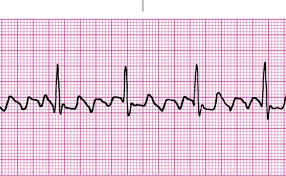
Extrasystolic arrhythmia is a condition where there is an “extra” (premature) heartbeat that occurs ahead of the regular heartbeat rhythm. When the premature beat originates in the atria, it is called a supraventricular extrasystole (above the ventricles) or Premature Atrial Complexes (PAC). If the premature beat originates in the ventricles, it is known as a ventricular extrasystole or Premature Ventricular Complexes (PVC) and ventricular premature beats.
Supraventricular and ventricular extrasystoles are relatively common in children and adolescents. This condition is often considered normal and harmless, even though it may cause irregular heartbeats in children.
When a premature heart contraction occurs, there is usually a pause, leading to a stronger heartbeat afterward. This may give the child or adolescent a sensation of a “missed heartbeat,” felt as a momentary strong or skipping beat, though not all children with this condition will experience these symptoms. Frequent and recurring episodes of supraventricular and ventricular extrasystoles may indicate underlying heart disease.
Causes
Normally, the heart beats according to a rhythm set by an electrical system through nerves in the heart wall. The heart’s electrical system starts at the SA node, located in the upper right atrium, which sends signals through specific pathways to stimulate contractions in the right and left atria. The signal then travels to the AV node, situated between the atria and ventricles, and moves to another pathway called the His bundle, where it branches to stimulate contractions in the right and left ventricles.
In supraventricular extrasystoles, an additional signal causes the atria to beat prematurely. In ventricular extrasystoles, the electrical signal originates in the ventricles, bypassing the atria and causing the ventricles to beat prematurely. Some potential causes for this condition in children include:
- Cardiomyopathy (weakening of the heart muscle)
- Congenital heart disease
- Structural changes in the heart
- Electrical conduction disorders of the heart
- Certain medications
- Abnormal blood chemical levels
- Normal responses to exercise, fever, or emotions
- Fatigue
- Dehydration
- Exposure to cigarette smoke
- Consumption of caffeinated drinks, such as coffee, tea, sodas, or alcoholic beverages
Risk Factor
Factors that can increase the risk of supraventricular and ventricular extrasystoles in children include:
- Having congenital heart disease or other heart conditions
- Engaging in overly strenuous physical activity
- Experiencing anxiety
- Not drinking enough water or losing too much body fluid
Symptoms
Symptoms of supraventricular and ventricular extrasystoles can vary among children. Some cases may be asymptomatic, while others may exhibit symptoms. Both types of extrasystoles often produce similar symptoms, including:
- Sensation of a missed heartbeat
- Noticing a pause between heartbeats
- Palpitations or strong heartbeats
- Chest discomfort
- Fatigue
- Dizziness
- Fainting or near-fainting
- Pale complexion
- Chest pain
- Sweating
- Shortness of breath
- Difficulty feeding in infants
- Fussiness in children
Diagnosis
To diagnose supraventricular and ventricular extrasystoles, the doctor will begin with an interview, either directly with the child (if they are old enough) or with their parents or caregivers. The doctor will ask about any symptoms experienced and factors that may contribute to supraventricular and ventricular extrasystoles, such as a history of congenital heart disease or other heart conditions. The doctor will then conduct a physical examination, especially of the heart, by listening to the heartbeat with a stethoscope. Additional tests may be conducted, including:
- Electrocardiogram (ECG), which measures the heart’s electrical activity. The ECG can show whether premature beats are originating from the atria or ventricles.
- Resting ECG: The child lies down while electrodes attached to their chest are connected to the ECG machine, recording heart activity for a minute or more.
- Stress Test (Exercise ECG): The child walks on a treadmill or pedals a stationary bike while connected to an ECG machine to monitor the heart during exercise.
- Holter Monitoring. A portable monitor records heart rhythm over 24 to 48 hours while the child goes about their normal activities.
- Electrophysiology Study (EPS). A small, thin catheter is inserted into a large blood vessel in the leg or arm and guided to the child’s heart to locate the source of irregular electrical signals.
- Tilt Table Test. This test may be performed if the child frequently faints, assessing heart rate and blood pressure when changing positions.
- Echocardiogram. Uses sound waves to create detailed images of the heart’s structure and function.
Management
Supraventricular and ventricular extrasystoles are common in children and adolescents, and most cases do not produce serious symptoms. Therefore, specific treatment is often unnecessary. If the child has an underlying heart problem or if episodes of extrasystoles frequently recur, the doctor may prescribe medications, such as beta-blockers or calcium channel blockers. If medication is ineffective, ablation may be performed, a procedure that destroys or scars small areas of tissue where the premature beat originates using radiofrequency waves.
Complications
Supraventricular and ventricular extrasystoles rarely lead to complications. However, frequent episodes may weaken the heart muscle (cardiomyopathy). Complications are more likely due to an underlying heart disease.
Prevention
While supraventricular and ventricular extrasystoles cannot be entirely prevented, some steps can be taken to avoid worsening symptoms:
- Maintain a smoke-free environment for your child and ask others not to smoke around them.
- Discourage alcohol consumption in teenagers.
- Avoid caffeinated beverages if your child is sensitive to them; these include coffee, tea, cola, and energy drinks.
- Consult a doctor regarding medications to avoid, and regularly monitor and treat any congenital or other heart conditions.
When to See a Doctor?
Symptoms of supraventricular and ventricular extrasystoles can resemble those of other heart conditions. Consult your doctor if your child shows symptoms that may indicate supraventricular or ventricular extrasystoles for appropriate diagnosis and treatment.
- dr. Alvidiani Agustina Damanik
American Heart Association. Types of Arrhytmia in Children. (2016). Retrieved 23 April 2022, from https://www.heart.org/en/health-topics/arrhythmia/about-arrhythmia/types-of-arrhythmia-in-children
*Arrhytmias in Children. Retrieved 23 April 2022, from https://www.stanfordchildrens.org/en/topic/default?id=arrhythmias-in-children-90-P01764
Beckerman, James. What Are Premature Atrial Contractions?. (2020). Retrieved 23 April 2022, from https://www.webmd.com/heart-disease/atrial-fibrillation/premature-atrial-contractions
Pediatric Ventricular Arrhytmia in A Normal Heart. (2016). Retrieved 23 April 2022, from https://www.mayoclinic.org/medical-professionals/cardiovascular-diseases/news/pediatric-ventricular-arrhythmia-in-a-normal-heart/mac-20430754
*Premature Atrial Contractions. (2021). Retrieved 23 April 2022, from https://my.clevelandclinic.org/health/diseases/21700-premature-atrial-contractions
*Premature Ventricular Contractions. (2019). Retrieved 23 April 2022, from https://my.clevelandclinic.org/health/diseases/17381-premature-ventricular-contractions
Premature Ventricular Contractions (PVCs). (2022). Retrieved 23 April 2022, from https://www.mayoclinic.org/diseases-conditions/premature-ventricular-contractions/symptoms-causes/syc-20376757
Tenple, Joel D., et al. Premature Ventricular Contractions. (2019). Retrieved 23 April 2022, from https://kidshealth.org/en/parents/premature-ventricular-contractions.html