
Definition
Subclavian Steal Syndrome (SSS) is a group of symptoms that indicate a reversal of blood flow in the subclavian and vertebral arteries. The subclavian artery is located in the chest cavity and supplies blood to the arms. There are two subclavian arteries: one for the left arm and one for the right. Meanwhile, the vertebral arteries are in the neck and are responsible for supplying blood to the neck and head.
Causes
Blood vessels are divided into two types: arteries and veins. Arteries carry blood from the heart to the rest of the body, while veins return blood to the heart. In subclavian steal syndrome, blood flows backward toward the heart in the subclavian artery and/or one of its branches, the vertebral artery.
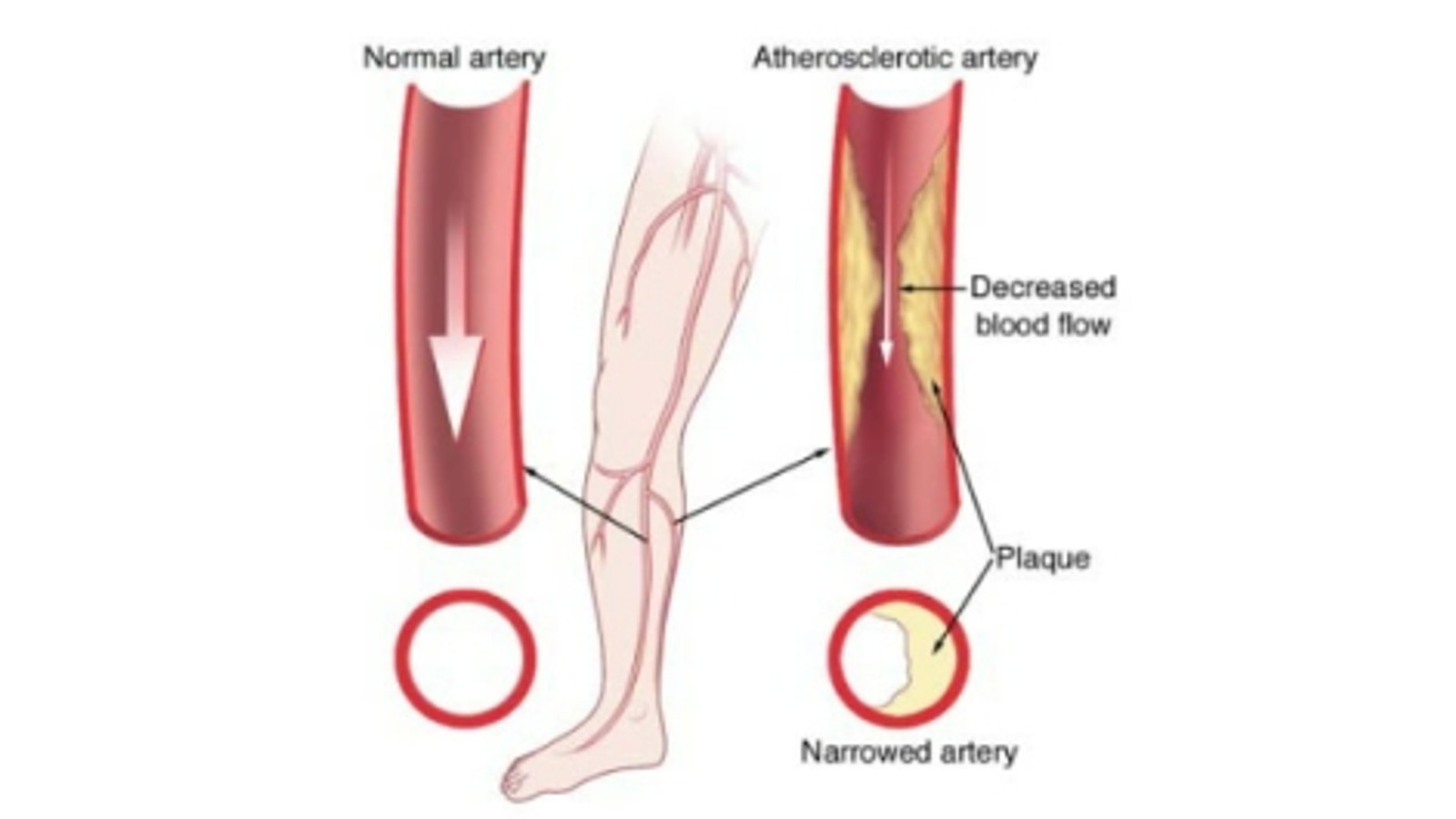
Subclavian steal syndrome occurs due to narrowing or blockage in the subclavian artery. When the heart pumps blood, it typically flows in one direction, towards the intended part of the body. However, due to narrowing, some of the blood flows backward as it struggles to pass through the narrowed section. This reduces the amount of blood reaching the target area, particularly through the subclavian and/or vertebral arteries.
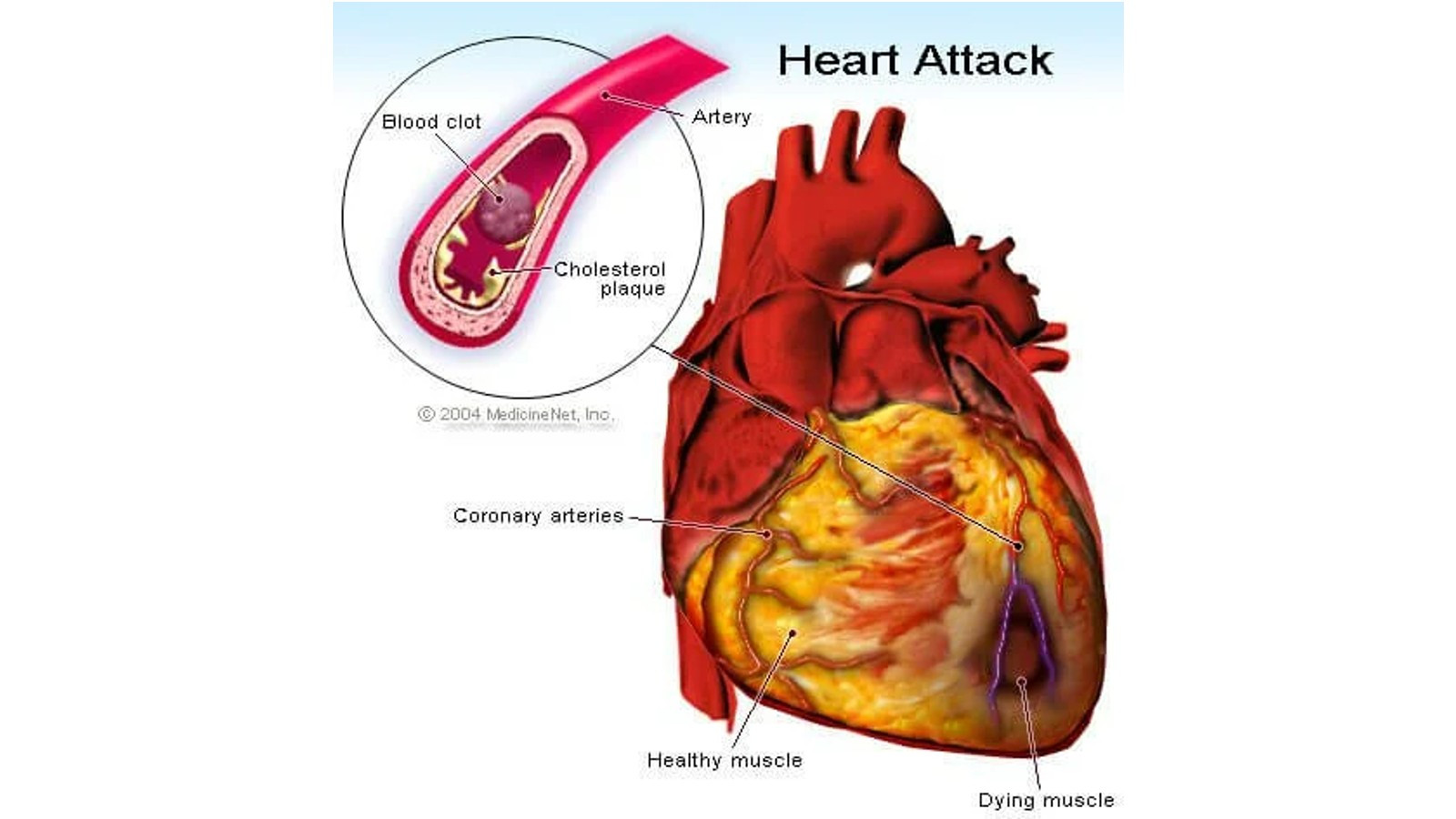
This syndrome is primarily caused by atherosclerosis, a condition where cholesterol builds up inside the arteries, causing narrowing. The left subclavian artery is more commonly affected than the right, as atherosclerosis tends to occur more frequently in this artery.
Risk Factor
Risk factors for subclavian steal syndrome include those associated with atherosclerosis as well as other conditions that cause narrowing of the arteries. Atherosclerosis risk factors are divided into two categories: unmodifiable and modifiable. Unmodifiable factors include age, gender (men are at higher risk), and family history. Modifiable factors include smoking, high blood cholesterol, diabetes, and hypertension.
Other risk factors for subclavian steal syndrome include:
- Takayasu arteritis, an inflammation of the blood vessels, often occurs in young or middle-aged women of Asian descent
- Compression of the subclavian artery as it exits the chest cavity (thoracic outlet syndrome) is commonly seen in athletes such as baseball or cricket pitchers or due to muscle and nerve compression
- The presence of a cervical rib at the seventh cervical vertebra, which is not typically present
- Previous surgeries involving the aorta (the body’s largest artery)
- Anatomical issues such as an aortic tear, vertebral artery malformation, or external compression of the vertebral artery
Symptoms
Many individuals with this syndrome experience no symptoms. When symptoms do occur, they vary depending on the location of the arterial narrowing. Symptoms may be neurological or related to the arm. Neurological symptoms can be triggered by specific head movements or upper body exercise, as the brain and spinal cord receive insufficient blood supply. These symptoms may include:
- Hearing loss
- Ringing in the ears
- Blurred vision
- Dizziness
- Vertigo (a sensation of spinning and loss of balance)
- Loss of muscle coordination (ataxia)
- Fainting
Arm-related symptoms occur when the narrowing affects the artery supplying blood to the arm, especially during physical activity, as the arm receives less blood flow. These symptoms include:
- Numbness or tingling
- Pain
- Unusual tingling sensations
Diagnosis
There are several methods used to diagnose subclavian steal syndrome. The difference in blood pressure between the right and left arms can be as much as 15 mmHg. Furthermore, the arm that suffers from this syndrome will have less blood in it, and its blood vessels will fill more slowly. Additionally, the doctor can check for obstruction or narrowing in the neck arteries.
Imaging is another type of supporting examination that can be performed. Ultrasound, which uses sound waves to examine objects, can be the first step in imaging. To help physicians differentiate between blood flow in the veins and arteries, this ultrasound typically uses a colored Doppler. The purpose of this examination is to observe blood flow in potentially constricted arteries.
MRA and CT angiography, in addition to ultrasound, are possible methods for imaging. Magnetic resonance angiography (MRA) examines blood flow using a magnetic field, whereas computed tomography (CT) uses X-rays. This examination can detect blood flow in a larger area than ultrasound.
Before the insertion of a ring or stent, a digital subtraction angiography (DSA) examination can be carried out to clearly view the shape of the obstruction.
Management
Those diagnosed with this syndrome do not require treatment or therapy because they do not have symptoms or their symptoms improve with time. However, subclavian steal syndrome is a sign of artery atherosclerosis, which raises the risk of coronary heart disease. As a result, coronary heart disease prevention measures such as blood pressure control, cholesterol treatment, smoking cessation, blood sugar control, and lifestyle modification are required. You may also receive anticoagulants.
Alternative management may involve interventions or surgical procedures. One possible course of action is to insert a heart ring or stent into the constricted blood vessel. In order to ensure optimal blood flow and a reduction in symptoms, this action attempts to create space for blood to flow freely in the proper direction. The creation of a blood vessel throughput using blood vessels from other locations or other blood vessels close to the narrowed area is known as bypass surgery, and it is a feasible surgical procedure. The goal of a bypass is to create a blood channel so that blood can still reach the targeted body part.
Complications
Subclavian steal syndrome itself does not typically cause long-term complications. However, problems with blood flow in the vertebral artery can lead to fainting, which carries the risk of falls and head injuries.
Prevention
Preventing subclavian steal syndrome primarily involves reducing the risk of atherosclerosis. Preventive measures include:
- Quitting smoking
- Following a healthy diet, such as a low-sodium, high-fiber diet
- Regular moderate exercise, like aerobic exercises, jogging, cycling, or swimming, at least three times a week for 30 minutes to an hour
- Maintaining a healthy weight
- Managing psychological stress
When to See a Doctor?
If you experience neurological symptoms such as hearing loss, ringing in the ears, blurred vision, dizziness, arm pain, or tingling, or faint during exercise, you should see a doctor. If you have previously been diagnosed with subclavian steal syndrome, consult your doctor about your condition. Regular checkups are recommended, as the underlying causes can become serious and life-threatening.
Looking for more information about other diseases? Click here!
Bayat, I. (2021). Subclavian Steal Syndrome: Background, Pathophysiology, Etiology. Retrieved 24 April 2022, from https://emedicine.medscape.com/article/462036-overview
Kikkeri, N., & Nagalli, S. (2021). Subclavian Steal Syndrome. Retrieved 24 April 2022, from https://www.ncbi.nlm.nih.gov/books/NBK554599/
Rees, M., & Biggers, A. (2020). Subclavian steal syndrome: Symptoms, causes, treatment, and more. Retrieved 24 April 2022, from https://www.medicalnewstoday.com/articles/subclavian-steal-syndrome