
Definition
HbA1c refers to a form of hemoglobin, the protein in red blood cells, which binds to sugar circulating in the blood. Under normal circumstances, only a small amount of blood sugar binds to hemoglobin. However, when the body is unable to properly utilize blood sugar, excess sugar remains in the bloodstream. This excess sugar can then bind to the hemoglobin protein, forming a stable bond. This process takes place over a period of 2 to 3 months, reflecting the lifespan of red blood cells. As a result, the HbA1c test measures the average amount of glucose bound to hemoglobin over the past 2-3 months.
The HbA1c test is used to gauge the average blood sugar levels over a 3-month period. It is typically expressed as a percentage that represents the proportion of glucose attached to hemoglobin.
The results of this test provide valuable information regarding a person’s blood sugar levels over time. This test is commonly employed to assess the risk of prediabetes or diabetes and is also used to monitor blood sugar control in individuals already diagnosed with diabetes, aiming to prevent future complications. HbA1c testing is routinely done for individuals with type 1 and type 2 diabetes to monitor their blood sugar levels over time.
Indication
The HbA1c test is typically conducted in the following situations:
-
To help diagnose diabetes
-
To detect prediabetes at an early stage
-
To monitor the progression of the disease after starting a treatment plan
-
For screening individuals at high risk for diabetes, such as those with high blood pressure, overweight, obesity, or a sedentary lifestyle
-
To help in managing blood sugar levels over time
Contraindication
There are no specific contraindications or conditions that would prevent someone from undergoing an HbA1c test.
Preparation Before the Test
No special preparation is required for the HbA1c test. It can be performed at any time of the day, regardless of whether you have eaten or not.
However, there are several conditions that may impact the results of this test, including:
-
Blood disorders such as anemia or thalassemia
-
Chronic diseases, including kidney or liver disease
-
Use of antiviral medications in HIV patients or opioid drugs
-
Intake of high doses of vitamins E and C
-
High cholesterol levels
-
Pregnancy, particularly in the third trimester
Test Procedure
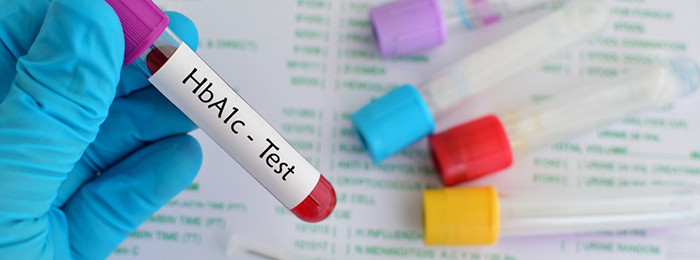
The HbA1c test typically requires a blood serum sample of 0.25 - 0.5 ml, which is collected from a vein. The sample is drawn into a special tube by trained laboratory staff who use gloves and personal protective equipment (PPE) during the process. The blood sample is then analyzed using specialized laboratory equipment, and the results are usually available within a few hours.
Before drawing blood, the healthcare provider will apply an elastic band around your upper arm and clean the needle puncture site with antiseptic gauze. Blood is usually drawn from the elbow crease. Once the sample is collected, the elastic band is removed, and pressure is applied to the puncture site, which is then cleaned with antiseptic gauze. The procedure takes only a few minutes. The collected blood sample will be analyzed using specialized laboratory equipment, and results can typically be available within a few hours.
Normal and Abnormal Values
The normal range for HbA1c is typically the same across all ages and genders. Below is a general overview of the HbA1c value ranges:
|
HbA1C Percentage (%) |
Interpretation |
|
<5.7% |
Normal |
|
5.7%-6.4% |
Prediabetes |
|
6.5% or more |
Diabetes |
It’s important to note that each laboratory may have slightly different reference ranges depending on the specific guidelines they follow and the equipment used.
Results and Recommendations (Follow-up Tests)
Prediabetes
If the HbA1c level falls within the prediabetes range (5.7%-6.4%), it indicates that blood sugar levels are higher than normal but not yet high enough to be classified as diabetes. In this case, your doctor will likely recommend a follow-up HbA1c test in 1 to 2 years to monitor your condition and assess any changes.
Additionally, your doctor will provide guidance on lifestyle changes to help prevent the progression from prediabetes to type 2 diabetes. Preventive strategies may include engaging in regular physical activity and exercise, following a balanced, healthy diet, and managing risk factors such as high blood pressure, excess weight, and high cholesterol.
Normal
If your HbA1c test results show normal values, it suggests that you have been following a healthy lifestyle, and there are no signs of abnormalities related to diabetes, provided you do not exhibit any specific symptoms or clinical indicators.
To continue maintaining good health and avoid developing diabetes, it is important to preserve your current healthy habits. Keeping your HbA1c values within the normal range can help prevent future complications associated with elevated blood sugar levels.
Diabetes
If your HbA1c level falls within the diabetes category, further tests will be recommended to assess the potential risks for complications in various organs. These tests may include a complete blood count, urine analysis, chest X-rays, heart evaluations, and kidney function tests. Your doctor will also discuss appropriate management and treatment strategies, such as the correct use of diabetes medications, adopting lifestyle modifications like a balanced diet, regular physical activity, and controlling other risk factors like high blood pressure, high cholesterol, and obesity. Weight loss may also be suggested if you are overweight.
Consult the Right Doctor
For adults, HbA1c test results can be discussed with a general practitioner, who may suggest additional tests or initiate therapy based on the diagnosis. Alternatively, you may consult with an internist or an endocrinologist to further explore your HbA1c results. For pediatric patients, any results outside the normal range should be discussed with a pediatrician.
Looking for more information about laboratory, radiology, and other examination results? Click here!
- dr Hanifa Rahma
All About Your A1C – Center for Disease Control and Prevention. cdc.gov. (2021). Retrieved 23 May 2022, from https://www.cdc.gov/diabetes/managing/managing-blood-sugar/a1c.html.
PERKENI. (2021). Pedoman Pengelolaan dan Pencegahan Diabetes Mellitus Tipe 2 Di Indoensia (p. A multiple page). PB PERKENI.
Hemoglobin A1C (HbA1c) Test - MedlinePlus. MedlinePlus.gov. (2021). Retrieved 23 May 2022, from https://medlineplus.gov/lab-tests/hemoglobin-a1c-hba1c-test/.
Dansinger, M. (2020). Hemoglobin A1c (HbA1c) Test for Diabetes. WebMD. Retrieved 23 May 2022, from https://www.webmd.com/diabetes/guide/diabetes-urine-tests.
Stoppler, MC. (2020). Hemoglobin A1c Test (HbA1c). EmidicineHealth. Retrieved 23 May 2022, from https://www.webmd.com/diabetes/guide/diabetes-urine-tests.
Control Diabetes-Easy Through HbA1C Testing- dr.Mohan’s Diabates Specialities Center. drmohans.com. (2020). Retrieved 23 May 2022, from https://drmohans.com/control-diabetes-it-is-easy-through-hba1c-testing/.





