
Definition
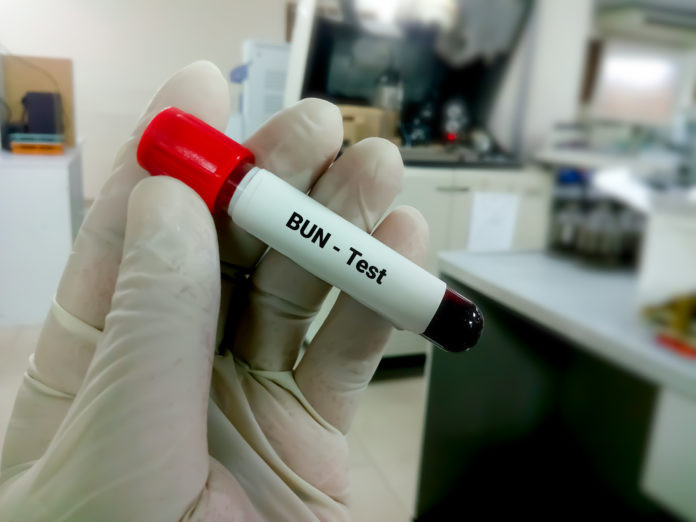
A serum urea test, also known as the Blood Urea Nitrogen (BUN) test, is conducted to measure the level of urea nitrogen in the blood. This test is commonly used to assess kidney function and to determine if the kidneys are working properly. It is also a routine test for patients with chronic kidney failure or other kidney-related diseases.
Urea Filtration Process
Urea is a waste product produced by the body during the breakdown of proteins from the food we consume. The breakdown occurs in the liver, where nitrogen compounds are produced. This nitrogen then combines with other elements like carbon, hydrogen, and oxygen to form urea. The urea formed is released into the bloodstream from the liver, travels to the kidneys, and is filtered out through urine.
As urea is filtered by the kidneys, this process works normally when the kidneys are healthy. Useful compounds are reabsorbed by the kidneys, while waste products like urea are excreted through urine. Under normal conditions, urea levels in the blood are either very low or undetectable.
However, if the kidneys are impaired, their filtering function may decrease. As a result, urea is not adequately removed from the bloodstream, leading to its accumulation. Increased urea levels in the blood can indicate the presence of kidney problems or other conditions.
Indication
The serum urea test is used in several situations:
-
The test helps to determine whether the kidneys are functioning properly or if there is any damage.
- Urea test is also used in the following conditions:
-
Liver problems, as the liver is responsible for the initial breakdown of proteins.
-
Inadequate nutrition.
-
Blockages in the urinary tract.
-
Patients with heart failure
-
Bleeding in the digestive tract.
-
Dehydration or circulatory problems.
-
-
The test is routinely used to monitor kidney function in patients undergoing dialysis (hemodialysis).
-
For patients with chronic conditions like diabetes and high blood pressure, the test is used to assess kidney function over time.
This test provides essential insights into kidney health and can help doctors diagnose or monitor various conditions affecting the kidneys or related organs.
Contraindication
There are no absolute contraindications for the urea test, meaning that no specific conditions prevent a patient from undergoing this test.
Preparation Before the Test
The blood urea nitrogen (BUN) test typically requires no special preparation. You do not need to fast or refrain from eating or drinking before the test. You can carry on with your normal activities, including eating and drinking, prior to the test.
However, it is crucial to inform your doctor about any medications, vitamins, or supplements you are currently taking, as certain drugs can influence the urea levels in your blood, potentially leading to inaccurate results. Some drugs that may affect urea levels include:
-
Medications that can increase urea levels:
-
Anticonvulsant carbamazepine
-
Methyldopa (used for high blood pressure)
-
Tetracycline antibiotics
-
Furosemide (used for treating fluid buildup)
-
-
Medications that can lower urea levels:
-
Chloramphenicol (antibiotic)
-
Streptomycin (antibiotic)
-
Make sure to communicate all medications you are taking to your doctor before the test.
Test Procedure
The urea test is straightforward and involves drawing a blood sample from a vein. The procedure is as follows:
-
The blood sample is typically collected from the crease of your upper arm.
-
The area where the blood will be drawn is cleaned with an antiseptic, such as cotton or an alcohol swab, to prevent contamination.
-
A rubber band (tourniquet) is placed around your upper arm or wrist to make the blood vessels more visible and easier to access.
-
Once the blood is drawn, it is collected in a tube and sent to the laboratory for analysis.
Normal and Abnormal Values
Normal urea levels can vary based on gender and age. The typical reference values for urea levels in blood are as follows:
|
Age |
Normal Urea Value (mg/dL) |
|
Adult males |
8-24 mg/dL |
|
Adult females |
6-21 mg/dL |
|
Children |
7-20 mg/dL |
It’s important to note that normal urea levels may vary between laboratories depending on the machines and reference standards they use. The average normal range for blood urea levels is as indicated above. Additionally, ammonia levels, which can help assess liver function, typically fall within a normal range of 15-45 µ/dL.
Any deviation from the normal range, whether high or low, could be indicative of a potential health issue. Doctors will evaluate the results alongside clinical symptoms, medical history, and other relevant factors before recommending further investigations.
Results and Recommendations (Follow-up Tests)
An increase in blood urea nitrogen levels beyond the normal limits suggests that kidney function, particularly the kidneys' ability to filter waste, is impaired. Possible causes for elevated urea levels include:
-
Chronic kidney disease
-
Heart disease
-
Bleeding in the digestive tract
-
Dehydration or fluid imbalance
-
Burns or complications from kidney disorders
-
Shock
-
Blockages in the urinary tract
-
Regular consumption of high-protein foods
On the other hand, low blood urea nitrogen levels can indicate:
-
Liver disorders
-
Malnutrition
-
Excessive water intake with insufficient protein intake
While elevated or decreased urea levels can point to several conditions, they are not definitive on their own for diagnosing a particular disease. To confirm the cause of abnormal urea levels, doctors often perform additional tests, such as:
-
Blood creatinine test
-
Glomerular filtration rate (GFR) test
In addition to these, your doctor may suggest other diagnostic tests like x-rays, abdominal ultrasound, liver function tests, and other relevant laboratory tests. These additional tests help doctors make a more accurate diagnosis and develop an appropriate treatment plan for the patient.
Consult the Right Doctor
If you notice abnormal blood urea levels, it is important to consult an internal medicine specialist as soon as possible. The doctor will review your medical history, dietary habits, and any symptoms that could suggest underlying health issues.
Looking for more information about laboratory, radiology, and other examination results? Click here!
- dr Hanifa Rahma
Barmor, W., Azad, F., Stone, WL. (2022). Physiology, Urea Cycle (p. A single page). StatPearls Publishing.
Nail, R. (2018). Blood Urea Nitrogen (BUN) Test. Healtline. Retrieved 28 May 2022, from https://www.healthline.com/health/bun#risks
Blood Urea Nitrogen (BUN) Test - Cleveland Clinic. ClevelandClinic.org. (2022). Retrieved 28 May 2022, from https://my.clevelandclinic.org/health/diagnostics/17684-blood-urea-nitrogen-bun-test
BUN (Blood Urea Nitrogen) - MedlinePlus. MedlinePlus.gov. (2022). Retrieved 28 May 2022, from https://medlineplus.gov/lab-tests/bun-blood-urea-nitrogen/
Blood Urea Nitrogen (BUN) Test - Mayo Clinic. Mayoclinic.org. (2021). Retrieved 28 May 2022, from https://www.mayoclinic.org/tests-procedures/blood-urea-nitrogen/about/pac-20384821
Blood Urea Nitrogen or BUN Test - AskApollo. AskApollo.com. (2022). Retrieved 28 May 2022, from https://healthlibrary.askapollo.com/blood-urea-nitrogen-or-bun-test/