

Other Brands/Names
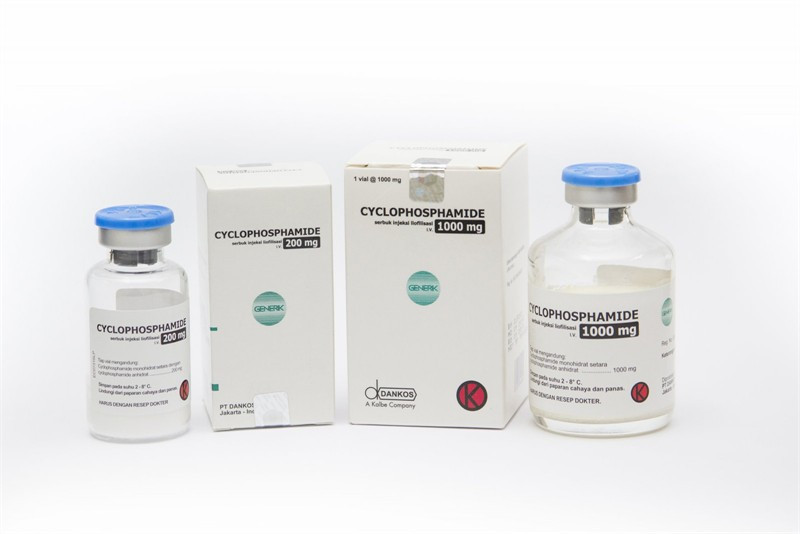
Cyclophosphamide is marketed under several trade names, including Cyclophosphamide, Cyclophosphamide Monohydrate, Cyclovid and Edoxan.
How It Works
Cyclophosphamide is a chemotherapy drug that destroys cancer cells by blocking their ability to form, divide, and repair DNA. This prevents the cancer cells from growing and spreading. In addition to its anticancer role, it also works as an immunosuppressant, which means it can calm an overactive immune system that mistakenly attacks healthy tissues in the body.
Indications
This medication is prescribed for a variety of cancers and certain health conditions, such as:
-
Hodgkin’s lymphoma and non-Hodgkin’s lymphoma (types of cancers that begin in the lymph nodes)
-
Burkitt’s lymphoma (a form of non-Hodgkin’s lymphoma)
-
Acute and chronic leukemia (cancers of the blood and bone marrow)
-
Neuroblastoma (a cancer that develops from nerve tissue)
-
Retinoblastoma (a tumor in the retina of the eye)
-
Breast cancer
-
Ovarian cancer
-
Nephrotic syndrome (a kidney disorder)
Contraindications
Cyclophosphamide should not be given to people with the following conditions:
-
Allergic reactions (hypersensitivity) to the drug
-
Ongoing active infections
-
Spinal cord problems
-
Blockage in the urinary tract
-
Urinary tract infections
-
Pregnancy
-
Breastfeeding
Side Effects
Some common side effects that may occur include:
-
Nausea and vomiting
-
Poor appetite or eating difficulties
-
Diarrhea
-
Stomach discomfort
-
Back pain
-
Fever or chills
-
Irregular menstrual cycles
-
Pain when urinating
In higher doses or with prolonged use, additional side effects may appear, such as:
-
Blood in the urine
-
Rapid or irregular heartbeat
-
Shortness of breath
-
Swelling in the legs or feet
-
Dizziness or confusion
-
Unusual bruising or bleeding
Types
Cyclophosphamide is available as tablets and as intravenous injections, commonly in 200 mg and 1000 mg medications.
Dosage
The dose depends on the medical condition, treatment purpose, and drug form:
For cancer treatments
-
Injectable form: Starting doses range from 2–6 mg per kilogram of body weight each week, given as a single dose. The dose may be adjusted depending on the patient’s condition. It is administered as a slow injection or continuous infusion.
-
Oral form: Doses range from 2–6 mg per kilogram of body weight per week, divided into smaller doses. Alternatively, 100–300 mg daily may be given either as a single dose or split into several doses.
For nephrotic syndrome in children
- The recommended dose is 2 mg per kilogram of body weight once daily for 8–12 weeks. The total maximum dose is 168 mg per kilogram of body weight, and the treatment should not exceed 90 days.
Safety
Cyclophosphamide belongs to pregnancy category D, meaning there is evidence that it can harm an unborn baby. Since it can also pass into breast milk, it should not be used by women who are pregnant or breastfeeding.
Drug Interactions
-
When cyclophosphamide is combined with blood pressure drugs such as captopril or lisinopril, it may cause blood-related disorders and immune system suppression.
-
When cyclophosphamide is taken with other chemotherapy agents like cytarabine, trastuzumab, or pentostatin, it can increase the risk of heart damage.
-
Used with heart medicine such as amiodarone, it can raise the risk of lung problems.
-
The chance of kidney injury increases when this medicine is given with antifungal drugs (amphotericin B) or anti-inflammatory drugs (indometacin).
-
When it is used with other immunosuppressants like azathioprine, it may heighten the risk of liver damage.
Looking for more information about other drugs? Click here!
- dr Hanifa Rahma
Ogino, H., & Tadi, P. (2022). Cyclophospamide (p. A single page). StatPearls Publishing.
Cyclophosphamide – Mims Indonesia. (2022). Retrieved 25 June 2022, from https://www.mims.com/indonesia/drug/info/cyclophosphamide?mtype=generic
Cyclophosphamide (Oral Route, Intraenouse Route) - Mayo Clinic. Mayoclinic.org. (2021). Retrieved 25 June 2022, from https://www.mayoclinic.org/drugs-supplements/cyclophosphamide-oral-route-intravenous-route/side-effects/drg-20063307
Cyclophosphamide-Uses, Side Effects and More – WebMD. (2022). Retrieved 25 June 2022, from https://www.webmd.com/drugs/2/drug-6093/cyclophosphamide-oral/details
Cyclophosphamide – MedlinePlus. (2022). Retrieved 25 June 2022, from https://medlineplus.gov/druginfo/meds/a682080.html