
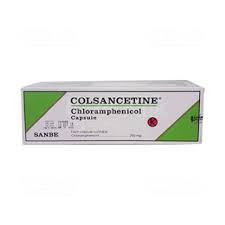

Other Brands/Names
| Suprachlor | Uniphenicol |
| Kalmicetine | Novachlor |
| Reco | Imfarmycetin |
| Zenichlor | Etagemycetin |
| ETT Plus | Bufacetine |
| Grafacetin | Colsancetine |
| Colme | Holimicetine |
How It Works
Chloramphenicol is an antibiotic that works by inhibiting the growth of bacteria, thereby helping to stop bacterial infections.
Indications
Chloramphenicol is used to treat a variety of serious bacterial infections, including:
-
Meningitis (infection of the brain’s protective lining)
-
Typhoid fever (a type of foodborne illness caused by Salmonella bacteria)
-
Septicemia (blood poisoning caused by bacteria entering the bloodstream)
-
Brain abscess (pus accumulation in the brain due to infection)
-
Pelvic inflammatory disease
-
Bacterial conjunctivitis (eye infection caused by bacteria)
-
Otitis externa (outer ear infection)
Contraindications
-
A history of allergy to chloramphenicol
-
A history of aplasitic anemia (a blood disorder caused by the failure of bone marrow to produce blood cells)
-
Acute porphyria (a group of diseases caused by the improper formation of heme, a part of hemoglobin)
-
Use of live vaccines alongside chloramphenicol
-
A perforated eardrum
-
Pregnancy or breastfeeding
Side Effects
-
Ototoxicity (damage to ear function)
-
Eye irritation or burning sensation; long-term use can cause optic neuritis (inflammation of the optic nerve leading to vision disorders)
-
Nausea, vomiting, mouth ulcers, and diarrhea
-
Headache; long-term use can cause peripheral neuritis (damage to peripheral nerves, leading to weakness, numbness, and pain that usually occurs in the hands and legs)
-
Mental symptoms, including confusion and mild depression
-
Potentially fatal blood disorders (e.g. aplastic anemia), severe allergic reactions (rash, itching/swelling, especially of the face, tongue, or throat), severe dizziness, and breathing difficulty.
Types
Chloramphenicol is available in various forms, including tablets, capsules, syrups, and injectable solutions.
Dosage
Injection drugs
- Adults: 50 mg/kg per day, divided into 4 doses.
-
Severe infections (meningitis or severe infections due to resistant organisms): The dose may be increased to 100 mg/kg per day into divided doses.
-
- Children:
-
Premature newborns: 25 mg/kg per day in divided doses every 6 hours
-
Full-term newborns: 50 mg/kg per day in divided doses every 6 hours
-
Oral medications
- Adults: 50 mg/kg per day in 4 divided doses. Severe infections may require up to 100 mg/kg per day in 4 doses.
- Severe infections (meningitis or severe infections due to resistant organisms): The dose may be increased to 100 mg/kg per day into divided doses.
- Continue the treatment for 2-4 days after the patient’s temperature stabilizes in cases of rickettsial diseases and for 8-10 days in cases of typhoid fever (typhus).
Eye drops
- Adults and children >2 years old: Instill 1-2 drops into the affected eye 6 times a day, or more frequently if needed. The treatment should continue for at least 48 hours after recovery, with a treatment duration of 5 days.
Ear drops
- Adults: Instill 3-4 drops into the affected ear 2-3 times daily for 1 week.
Safety
- Regular monitoring of blood levels of chloramphenicol, liver, and kidney functions is essential.
- A complete blood count (CBC) should be performed at the start of treatment and every 2 days during therapy.
- Before starting treatment, culture and susceptibility tests are recommended to prevent antibiotic resistance.
Drug Interactions
- Chloramphenicol may increase the risk of bleeding when taken with anticoagulants (blood thinners), hypoglycemic agents (e.g., chlorpropamide), and antiepileptics (e.g., phenytoin).
- Liver enzyme-inducing drugs (e.g., phenobarbital - anticonvulsants, rifampin - antibiotics used to treat tuberculosis) can reduce chloramphenicol blood levels.
- Chloramphenicol may reduce the effects of iron and vitamin B12 in patients with anemia.
- Long-term use may reduce the effectiveness of oral contraceptives containing estrogen.
- Cytotoxic agents and sulfonamides (antibiotics) can increase the risk of blood poisoning when used with chloramphenicol.
Looking for more information about other drugs? Click here!
- dr Hanifa Rahma
BPOM RI. Chloramphenicol. cekbpom.pom.go.id. Retrieved 15 May 2022, from https://cekbpom.pom.go.id//home/produk/69bhknndt7v4km8sdutf8ashf5/all/row/10/page/1/order/4/DESC/search/5/Chloramphenicol
MIMS Indonesia. Chloramphenicol. Mims.com. Retrieved 15 May 2022, from https://www.mims.com/indonesia/drug/info/chloramphenicol?mtype=generic
Medlineplus. Chloramphenicol Injection. Medlineplus.gov. Retrieved 15 May 2022, from https://medlineplus.gov/druginfo/meds/a608008.html