
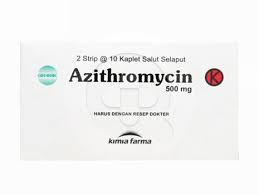

Other Brands/Names
Azivol, Azomax, Aztercon, Aztrin, Azydoz, Trozin, Zibramax.
How It Works
Azithromycin is part of the macrolide class of antibiotics. It works by stopping the growth of bacteria, helping to eliminate infections caused by bacteria. However, azithromycin is not effective against viral infections such as colds or the flu.
Indications
Azithromycin is commonly used to treat bacterial infections such as bronchitis (inflammation of the main airways or bronchi); pneumonia; sexually transmitted infections (STIs); as well as infections of the ears, lungs, sinuses, skin, throat, and reproductive organs. This antibiotic is also used to treat or prevent Mycobacterium avium complex (MAC) infections, which are lung infections that often affect individuals with Human Immunodeficiency Virus (HIV).
Contraindications
-
A history of allergy to azithromycin or other macrolide antibiotics
-
A history of liver dysfunction or jaundice caused by previous antibiotic use
Side Effects
- Common side effects may include abdominal pain, diarrhea, nausea or vomiting. If these symptoms persist or worsen, contact your doctor immediately.
- Additionally, tell your doctor right away if you experience any serious side effects, such as:
-
Hearing problems (e.g., decreased hearing or deafness)
-
Eye problems (e.g., difficulty opening eyelids or blurred vision)
-
Difficulty speaking or swallowing
-
Muscle weakness
-
Signs of liver problems (e.g., unusual tiredness, persistent nausea/vomiting, severe stomach pain, yellowing of the skin or eyes, dark urine)
-
- Azithromycin may also cause intestinal issues due to a bacteria called Clostridium difficile, which can occur during treatment or weeks or months afterward. If you experience persistent diarrhea, stomach pain, or blood/mucus in your stool, inform your doctor immediately.
Types
Azithromycin is available in several forms, such as caplets, capsules, dry syrup, injection powder and infusion powder.
Dosage
- Adults: 500 mg once daily for 3 days.
- Children >6 months old: 10 mg/kg body weight once daily for 3 days; 15-25 kg: 200 mg once daily for 3 days; 26-35 kg:300 mg once daily for 3 days; 36-45 kg: 400 mg once daily for 3 days.
- The dosage may vary depending on the condition being treated. Azithromycin should only be used as prescribed by a doctor.
Safety
-
During pregnancy, azithromycin should only be used if necessary. It is important to discuss the risks and benefits with your doctor.
-
Azithromycin is also excreted in breast milk, so consult your doctor before breastfeeding.
-
Before using azithromycin, inform your doctor if you or anyone in your family has ever had QT prolongation (a heart condition that can cause irregular heartbeat, fainting, or sudden death), a heart rhythm disorder, or a history of kidney or liver disease.
Drug Interactions
-
There is an increased risk of QT interval prolongation when azithromycin is used with class IA antiarrhythmic drugs (e.g., quinidine, procainamide) and class III antiarrhythmic drugs (e.g., dofetilide, amiodarone, sotalol); pimozide, cisapride, and terfenadine.
-
Azithromycin may increase blood levels of digoxin, colchicine, and cyclosporine.
-
It may enhance the effects of oral anticoagulants, such as warfarin.
Looking for more information about other drugs? Click here!
- dr Hanifa Rahma
Pusat Informasi Obat Nasional BPOM. Azitromisin. Pionas.pom.go.id. Retrieved 16 March 2022, from https://pionas.pom.go.id/monografi/azitromisin
BPOM RI. Azithromycin. cekbpom.pom.go.id. Retrieved 16 March 2022, from https://cekbpom.pom.go.id//home/produk/69bhknndt7v4km8sdutf8ashf5/all/row/10/page/1/order/4/DESC/search/5/azithromycin
MIMS Indonesia. Azithromycin. Mims.com. Retrieved 16 March 2022, from https://www.mims.com/indonesia/drug/info/azithromycin?mtype=generic
Web MD. Azithromycin Tablet Macrolide Antibiotics – Uses, Side Effects, and More. Webmd.com. Retrieved 16 March 2022, from https://www.webmd.com/drugs/2/drug-1527-3223/azithromycin-oral/azithromycin-250-500-mg-oral/details
Medlineplus. Azithromycin. Medlineplus.gov. Retrieved 16 March 2022, from https://medlineplus.gov/druginfo/meds/a697037.html





