Definition
A blood type examination is a test used to determine an individual’s blood type. It is commonly performed to assess compatibility for blood transfusions or organ donations. The blood type test typically includes the ABO blood group system and the Rh factor.
The main distinction in blood types is the combination of unique protein molecules called antigens and antibodies. Antigens are present on the surface of red blood cells, while antibodies are found in blood plasma. The presence and combination of specific antigens and antibodies form the basis of blood classification.
Indication
A blood type test is routinely performed prior to blood transfusions, organ, tissue, or bone marrow transplants. It is particularly important in situations where blood transfusions are needed to ensure the safety of the recipient. If the donor's blood type is incompatible with the recipient's, the body will treat the transfused blood or organ as a foreign object, which can cause blood clotting and destruction of red blood cells.
Blood type test is necessary in the following cases:
-
Before organ or bone marrow transplants
-
During pregnancy, especially to determine Rh compatibility
Blood type testing is also done for individuals requiring a blood transfusion due to conditions like severe anemia (low red blood cell count), blood loss from surgery, or effects of chemotherapy. This test can also be requested for individuals with blood disorders like hemophilia or conditions that cause chronic blood loss
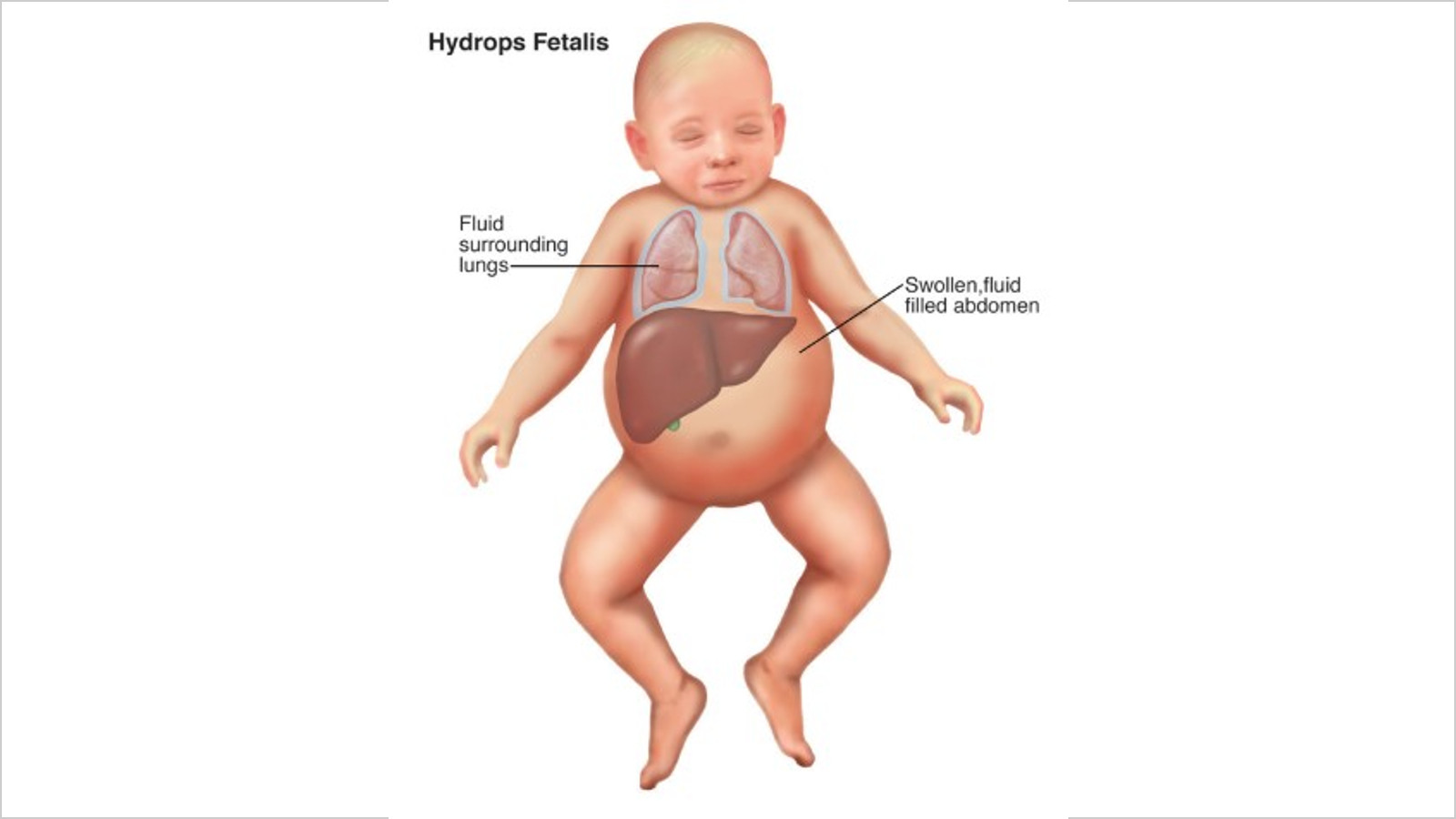
The Rh compatibility test is critical to prevent Rh incompatibility between a mother and fetus, which can lead to complications like hemolytic disease of the newborn.
Contraindication
There are no specific contraindications for blood type test.
Preparation Before the Test
Blood type test requires no special preparation. You do not need to fast or make any adjustments to your diet or routine before undergoing this test.
Test Procedure
The procedure for blood type testing is simple and quick. A laboratory technician will clean the area around your arm with sterile alcohol and take a small sample of blood from a vein in your arm using a sterile syringe or, in some cases, from a fingertip. For infants, blood is typically drawn from the heel. Once collected, the blood sample is placed into a test tube and mixed with specific antibodies to determine your ABO blood group and Rhesus (Rh) factor.
Normal and Abnormal Value
Blood type testing does not have "normal" or "abnormal" results, as it is primarily aimed at determining your specific blood type and Rh factor. Blood type is classified into four main groups based on the ABO system:
- Blood type A
- Blood type B
- Blood type O
- Blood type AB
In addition to the ABO type, blood is also classified based on the Rhesus system:
-
Rhesus positive (Rh+)
-
Rhesus negative (Rh-)
Results and Recommendations (Follow-up Tests)
Blood classification is based on the presence of antigens on the surface of red blood cells. Antigens are proteins that help the body recognize foreign substances that may pose a threat. The ABO and Rhesus systems are the most commonly used methods for classifying blood:
ABO Type System
|
If you have blood type... |
Will have.... |
|
A |
Antigen A |
|
B |
Antigen B |
|
AB |
Antigen A And B |
|
O |
Neither Antigen A and B |
Rhesus Type System
|
If you have Rhesus ... |
So... |
|
Positive |
The Rh protein is present in the blood |
|
Negative |
The Rh protein is absent in the blood |
The importance of knowing your blood type lies in ensuring compatibility during blood transfusions or organ transplants. If an individual is given blood with antigens not found in their own blood, their immune system will produce antibodies against these foreign antigens, potentially destroying the donor cells. This is why it is critical to perform blood typing before transfusions to prevent harmful immune reactions.
About 43% of the population has blood type O, which is often considered a universal donor type, but this classification applies only when the Rh factor is compatible. Blood type O Rh-positive can be given to all Rh-positive blood types, including O+, A+, B+, and AB+.
Consult the Right Doctor
If you require blood for a transfusion or are preparing for an organ transplant, you should consult a general practitioner or your healthcare provider regarding your blood type results. This will ensure the correct and safe administration of blood. If needed, you may also consult an internist for more in-depth advice. For pediatric patients, a pediatrician can offer specialized guidance and treatment.
Looking for more information about laboratory, radiology, and other examination results? Click here!
- dr Hanifa Rahma
Blood Typing. (2022). Retrieved 13 August 2022, from https://medlineplus.gov/ency/article/003345.htm
Blood Types. (2020). Retrieved 13 August 2022, from https://www.webmd.com/a-to-z-guides/blood-types-what-to-know
How Can I Find Out My Blood Type (Blood Group)?. (2019). Retrieved 13 August 2022, from https://www.nhs.uk/common-health-questions/operations-tests-and-procedures/how-can-i-find-out-my-blood-type-blood-group/
Blood Typing. (2022). Retrieved 13 August 2022, from https://www.testing.com/tests/blood-typing/
How to Find Out Your Blood Type. Retrieved 13 August 2022, from healthline.com/health/how-to-find-out-your-blood-type
American Red Cross. What Is A Universal Blood Type?. Available from: https://www.redcrossblood.org/local-homepage/news/article/what-is-a-universal-blood-type-0.html.