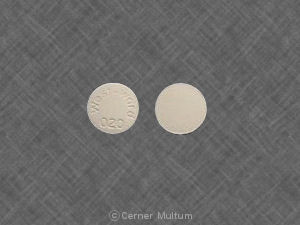


Other Brands/Names
Asmadex, Asmano, Asmasolon, Asthma Soho, Bronchophylin, Bronsolvan, Brontez, Bufabron, Cospasmic, Dibron Sr., Euphyllin Retard, Getbron, Grafasma, Retaphyl SR, Teosal, Tusapres, Theobron, Theochodil
How It Works
Theophylline is a medication from the xanthine drug class. It works by relaxing the muscles surrounding the airways, which helps open them up and makes breathing easier. Additionally, it reduces the lungs' sensitivity to irritants.
Indications
Theophylline is primarily used to treat reversible airway obstruction, such as that seen in conditions like asthma, particularly during severe acute episodes.
Contraindications
-
Have a history of allergy to theophylline or other xanthine drugs.
-
Are concurrently using ephedrine, especially in children under 6 years old or those weighing less than 22 kg.
Side Effects
Tachycardia (increased heart rate), palpitations, nausea and other gastrointestinal disturbances, headache, central nervous system stimulation, leading to symptoms such as insomnia and anxiety, seizures (especially if the medication is administered via rapid intravenous injection).
Types
Tablets and caplets (film-coated and slow-release versions), capsules, and syrup (60 ml/100 ml).
Dosage
-
Adults: The typical dosage is 130-150 mg, with the option to increase to 300 mg if necessary, depending on individual response.
-
Children:
-
For children aged 6-12 years: 65-150 mg, 3-4 times daily after meals.
-
For children under 1 year: 65-75 mg, 3-4 times daily after meals.
-
Slow-release tablets: 1 tablet per day, adjusted based on individual response and respiratory function.
-
Safety
- Before taking theophylline, inform your doctor of any relevant medical history, particularly if you have stomach or intestinal ulcers, seizures, thyroid diseases, heart problems (such as heart failure or irregular heartbeat), liver disease or high blood pressure.
- Elderly individuals may be more susceptible to side effects, particularly heart rhythm disturbances and sleep issues. Regular monitoring of side effects and blood levels is recommended.
- During pregnancy, should only be used if absolutely necessary. Discuss the risks and benefits with your healthcare provider.
- Theophylline is excreted in breast milk, and it may have adverse effects on a nursing infant. It is crucial to consult your doctor before breastfeeding.
Drug Interactions
- Using Theophylline with ephedrine may heighten the risk of nausea, nervousness, and insomnia.
- Medications such as aminoglutethimide, carbamazepine, phenytoin, rifampin, and others may reduce the effectiveness of Theophylline by increasing its clearance from the body.
- Certain drugs like cimetidine, clarithromycin, and oral contraceptives can slow the removal of Theophylline from the body, increasing its effects.
- Theophylline may enhance the effects of the influenza vaccine.
- It can block the effects of adenosine receptor agonists and reduce the sedative effects of benzodiazepines.
- Theophylline may increase the risk of arrhythmias when used with halothane
- Theophylline can reduce the seizure threshold when combined with ketamine.
- It may also amplify the hypokalemic effects of certain drugs, such as β2-agonists, corticosteroids, and diuretics.
Looking for more information about other drugs? Click here!
- dr Hanifa Rahma
BPOM RI. Theophylline. cekbpom.pom.go.id. Retrieved 20 February 2022, from https://cekbpom.pom.go.id//home/produk/69bhknndt7v4km8sdutf8ashf5/all/row/10/page/0/order/4/DESC/search/5/Theophylline
Pusat Informasi Obat Nasional BPOM. Teofilin. Pionas.pom.go.id. Retrieved 20 February 2022, from https://pionas.pom.go.id/monografi/teofilin
MIMS Indonesia. Theophylline. Mims.com. Retrieved 20 February 2022, from https://www.mims.com/indonesia/drug/info/theophylline?mtype=generic
Web MD. Theophylline Anhydrous – Uses, Side Effects, and More. Webmd.com. Retrieved 20 February, from https://www.webmd.com/drugs/2/drug-3591-3076/theophylline-oral/theophylline-sustained-release-oral/details
/6302127de39a5.jpg)